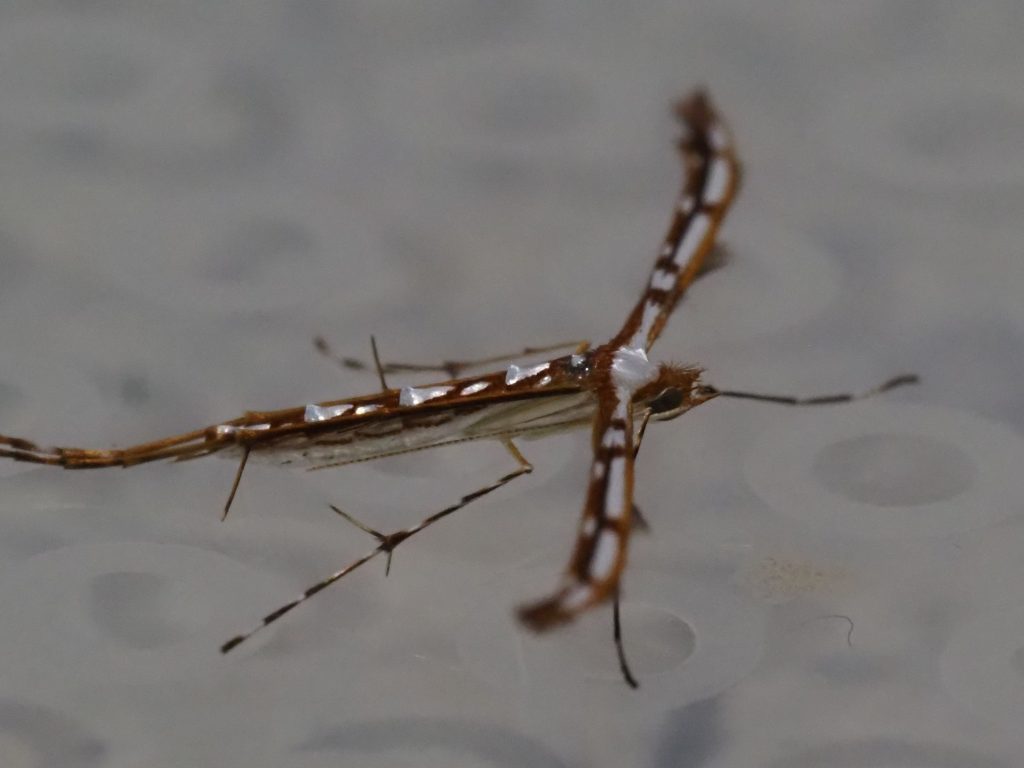
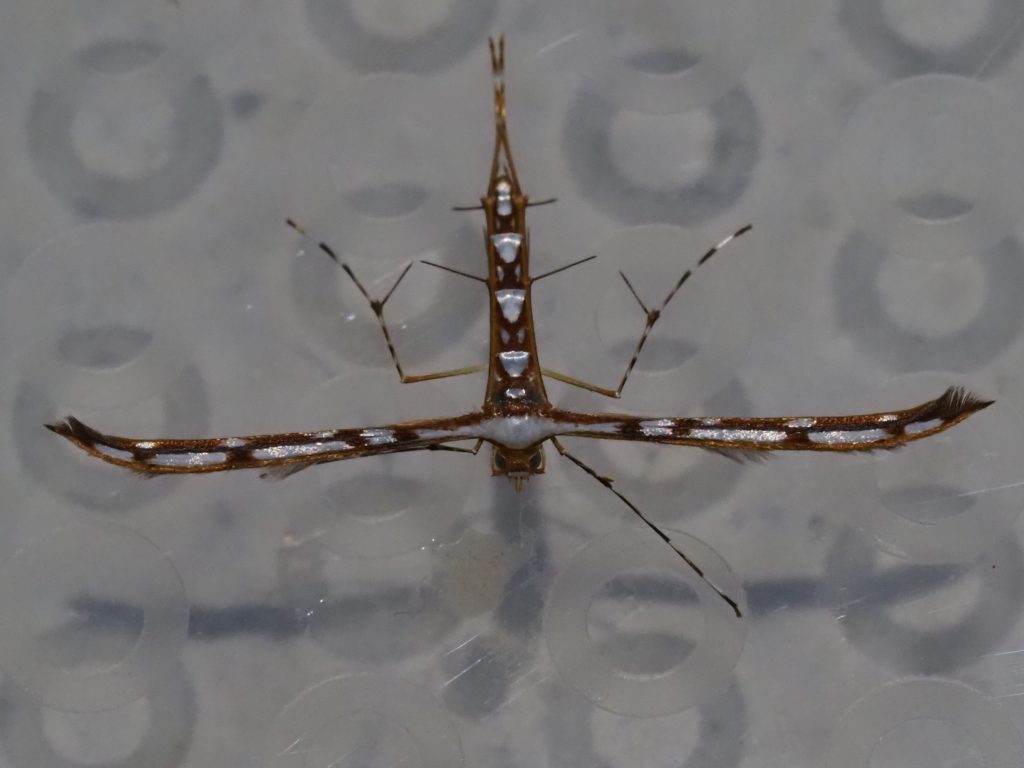
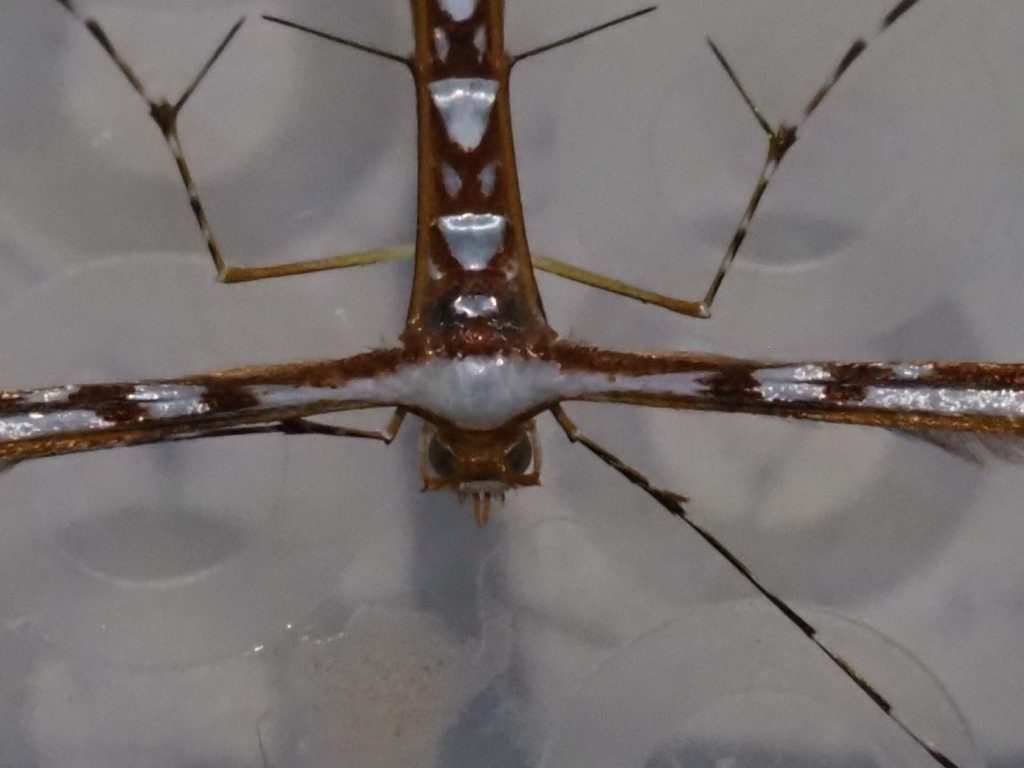
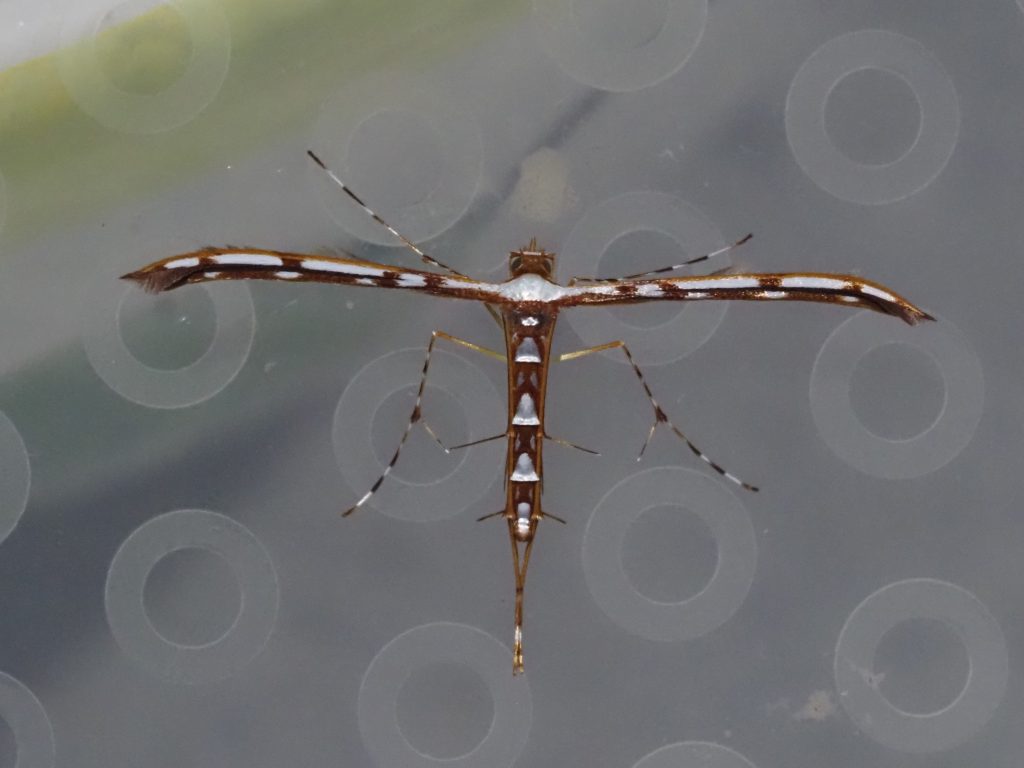
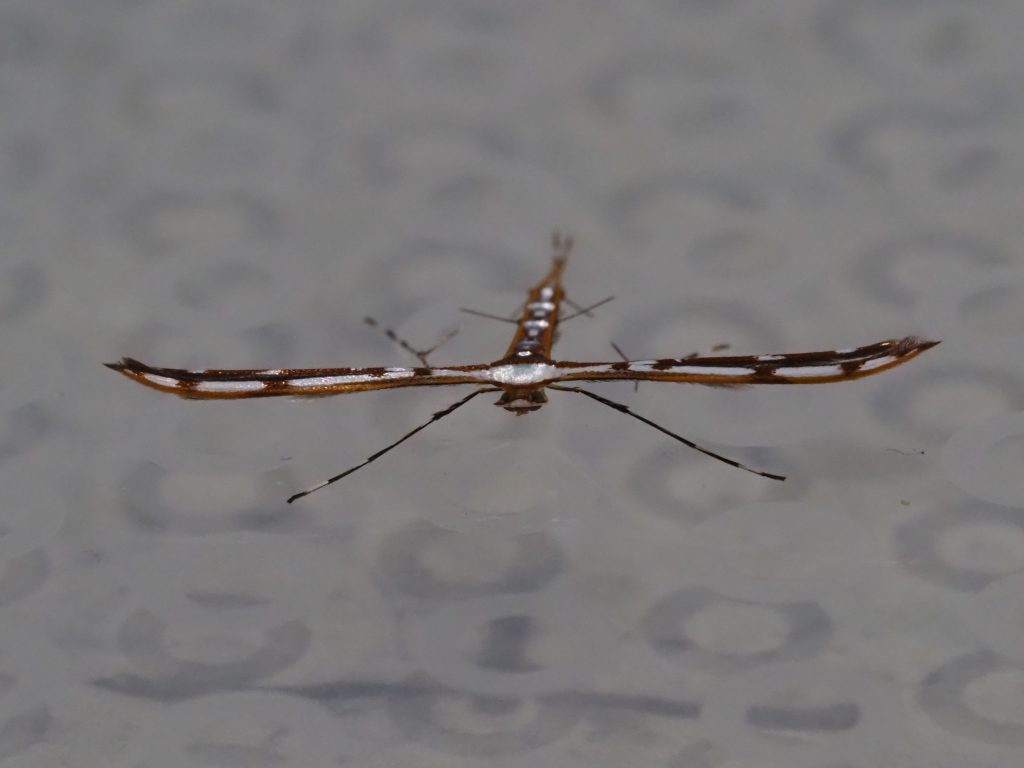
Cosmoclostis aglaodesma
This species is found in Queensland and New South Wales. We found mature larvae in January and the moth hatched out in the same month.
These moths have never come to our moth light.


Larva
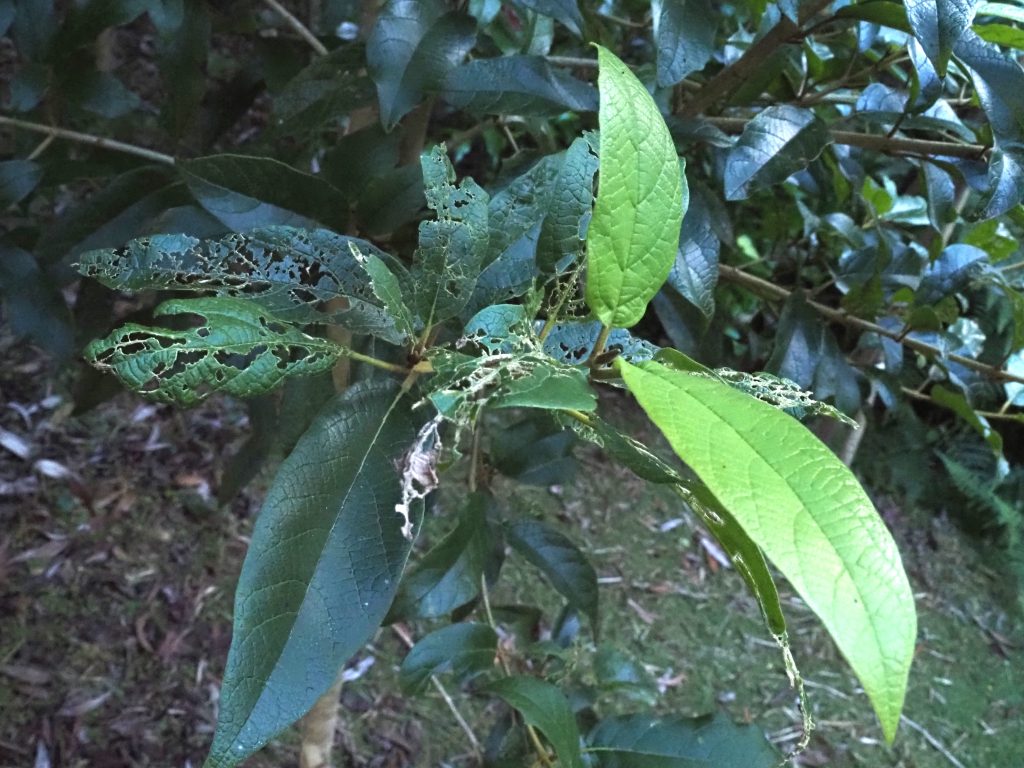
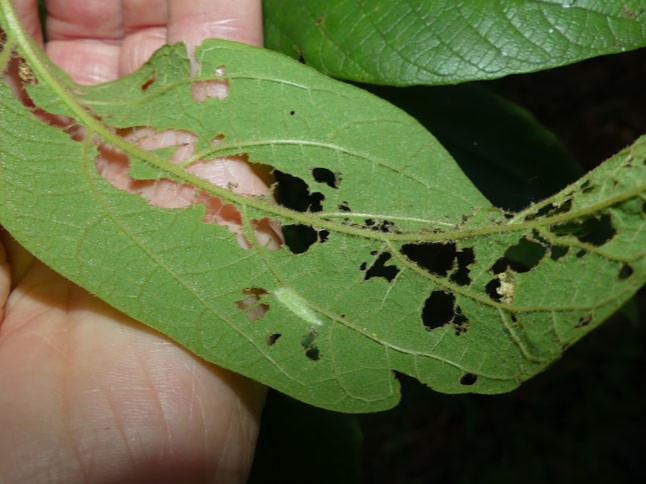
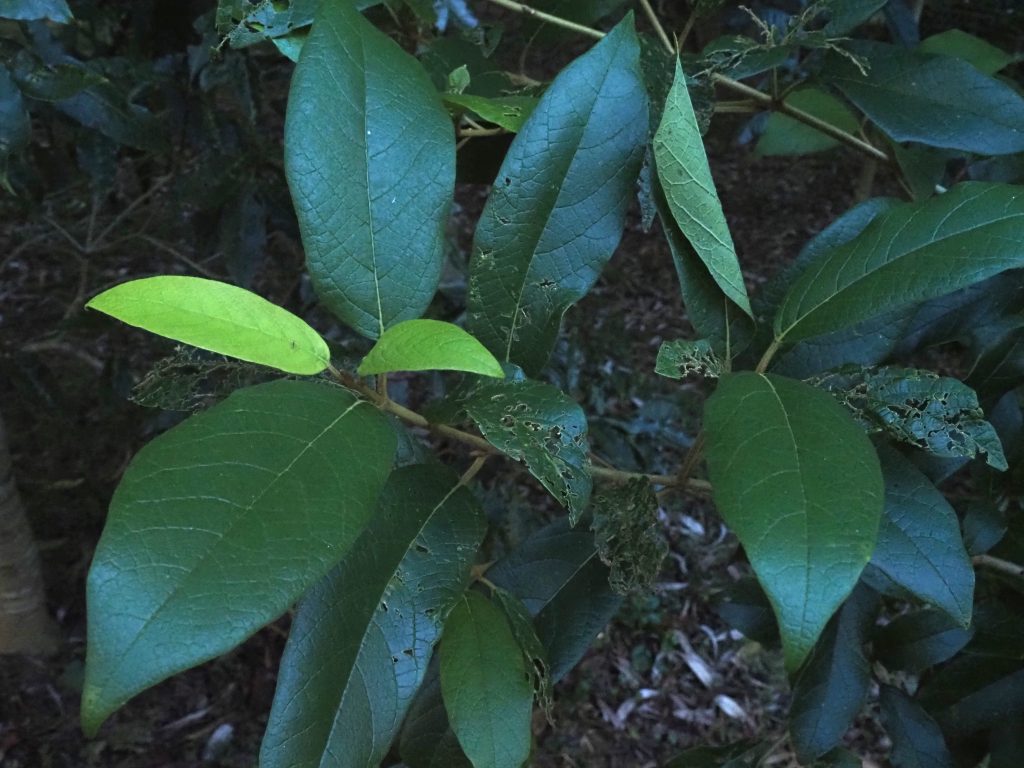
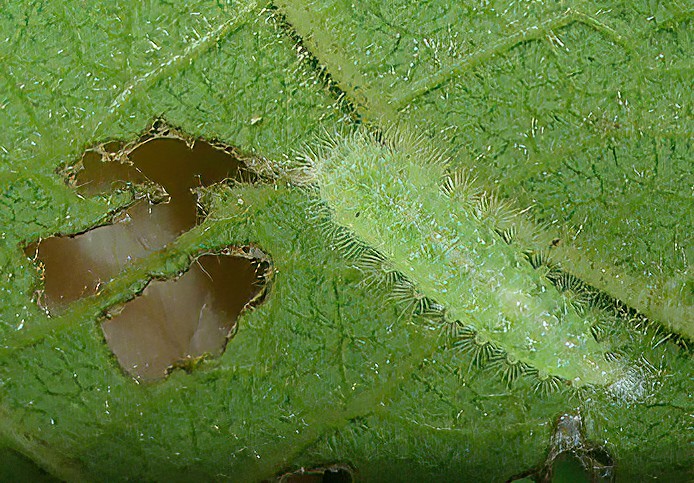
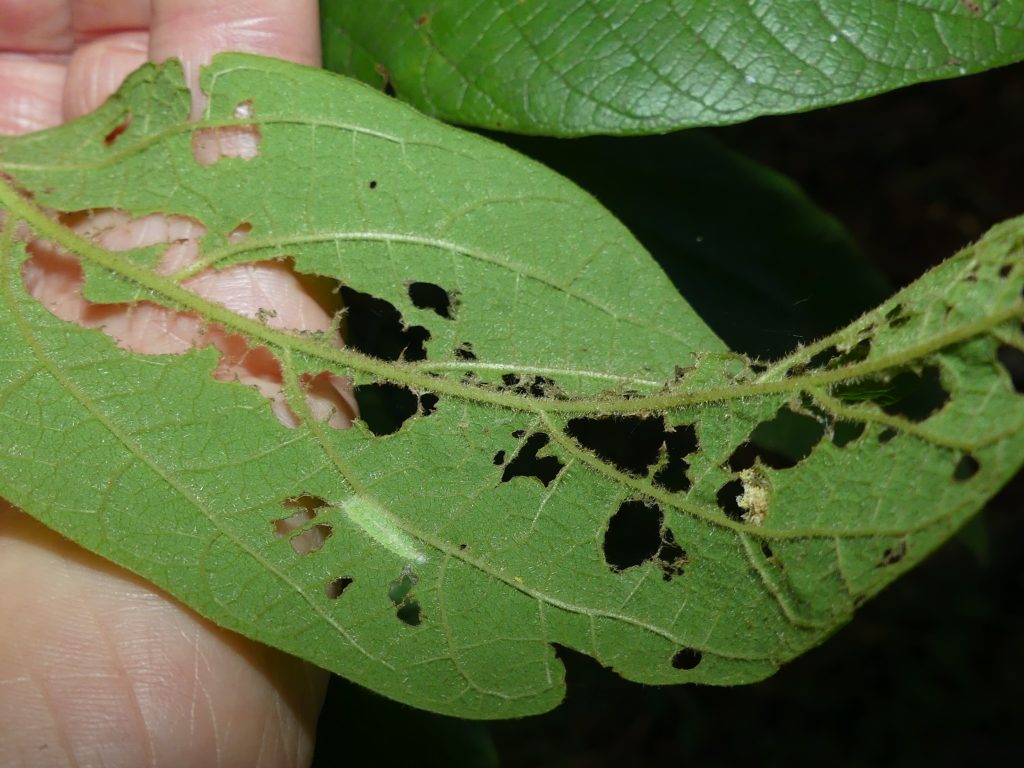
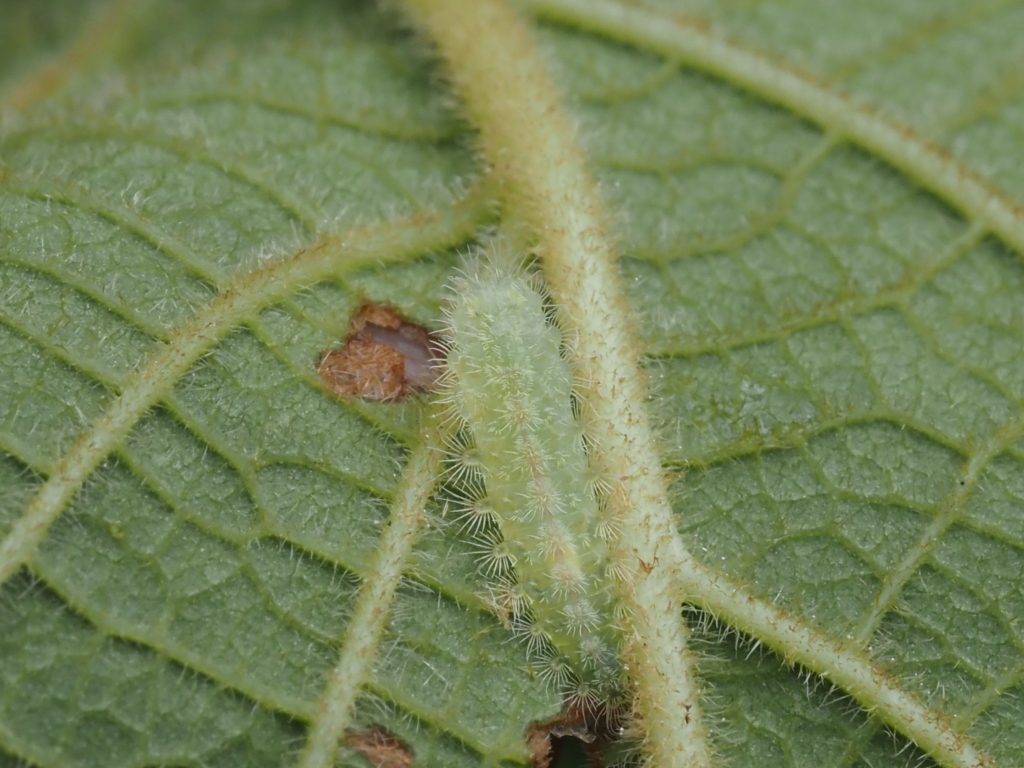
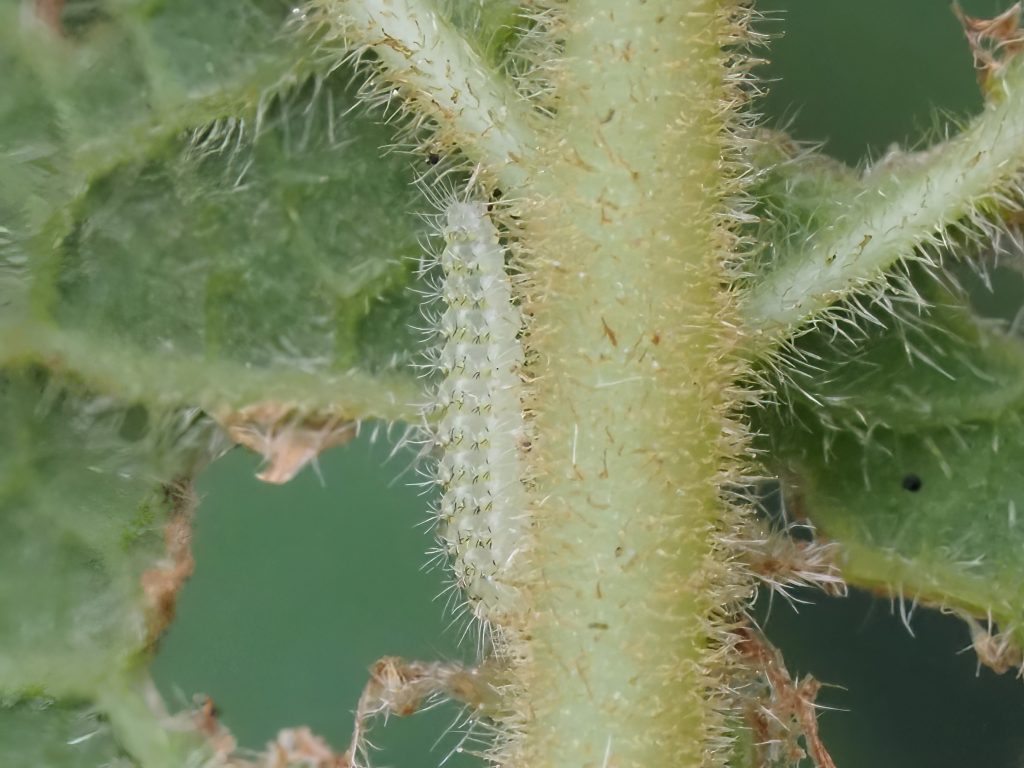
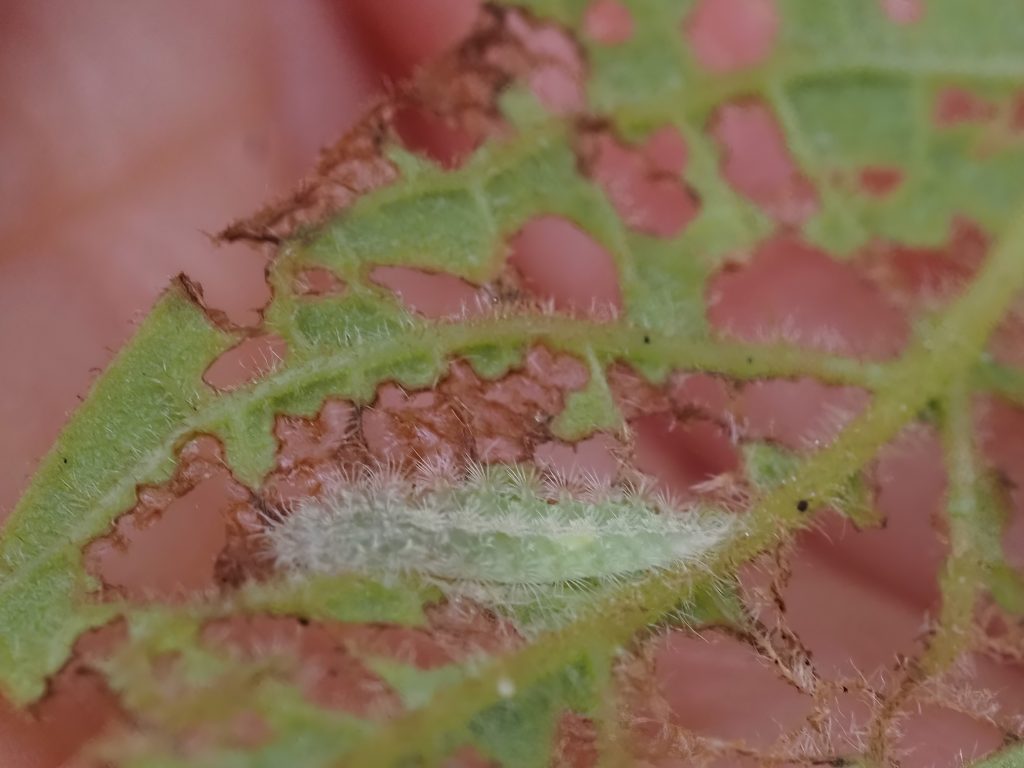
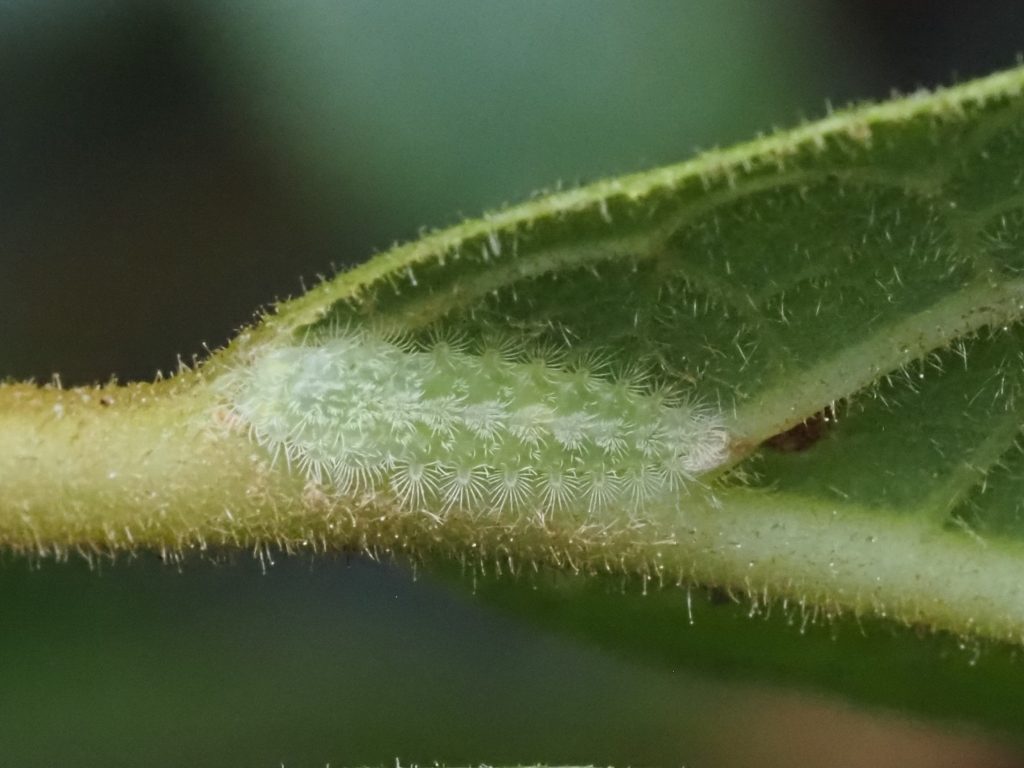
Larvae partially skeletonize new leaves of young Gmelina leichhardtii, White Beech trees eating between the veins.
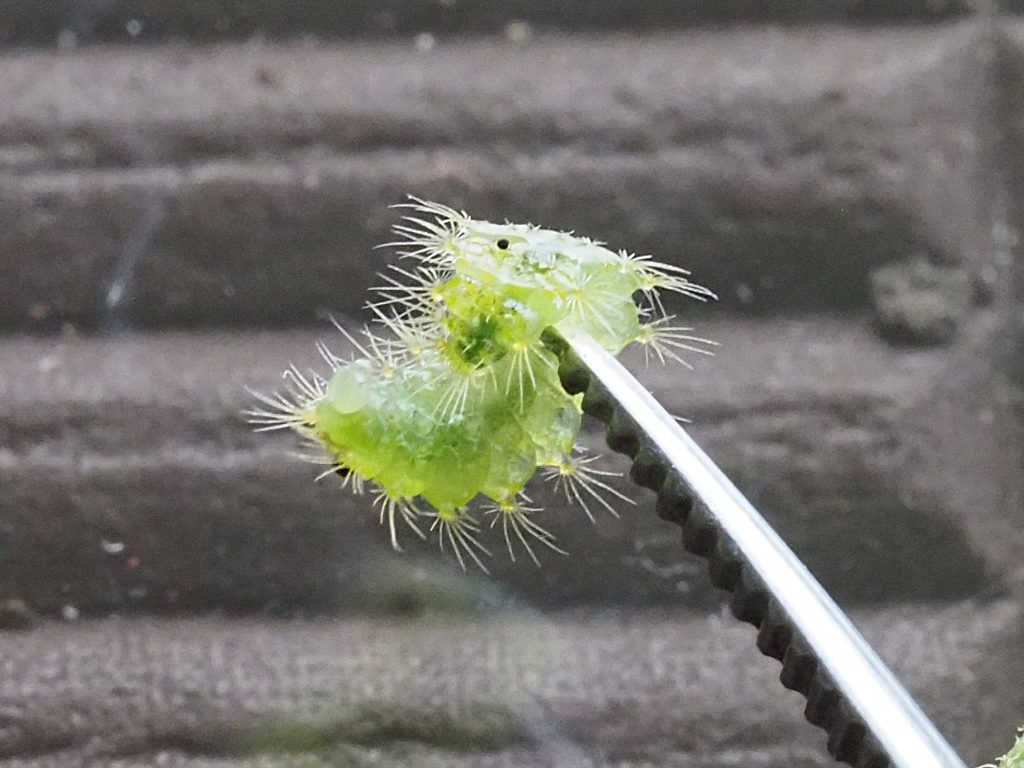
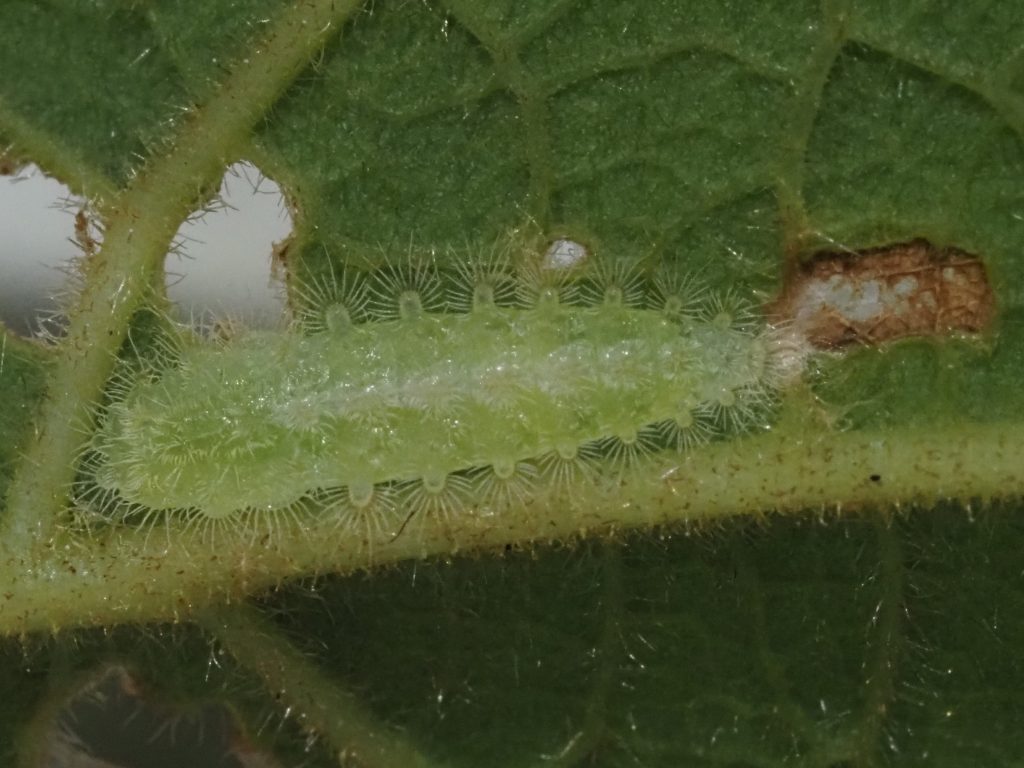
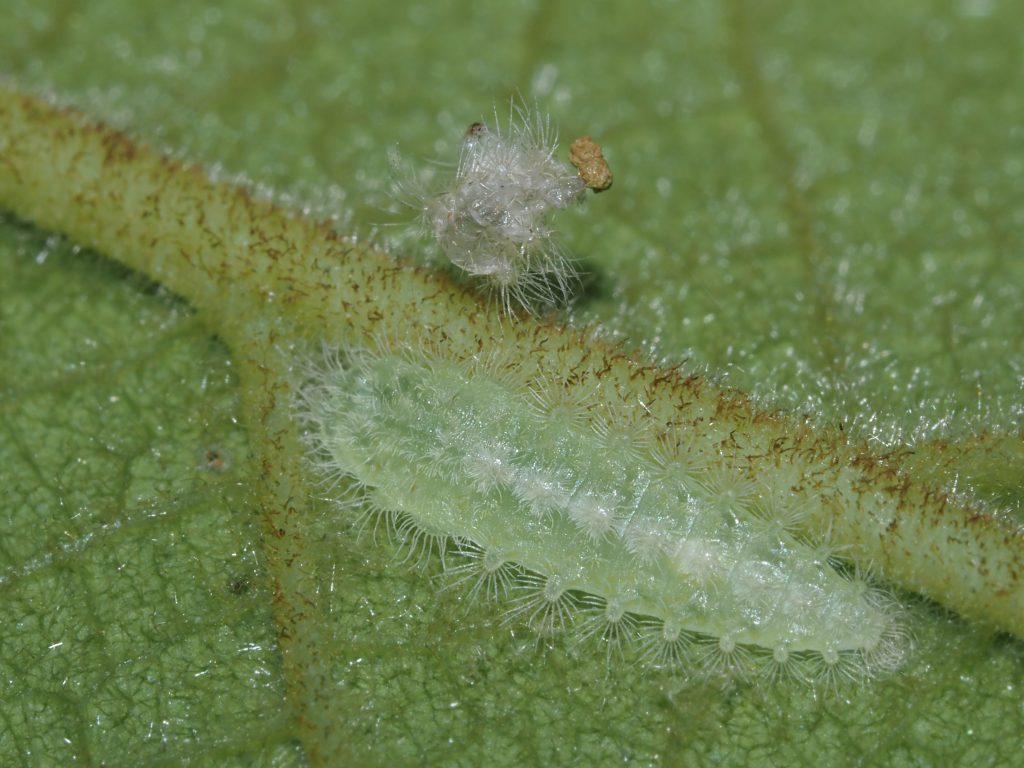
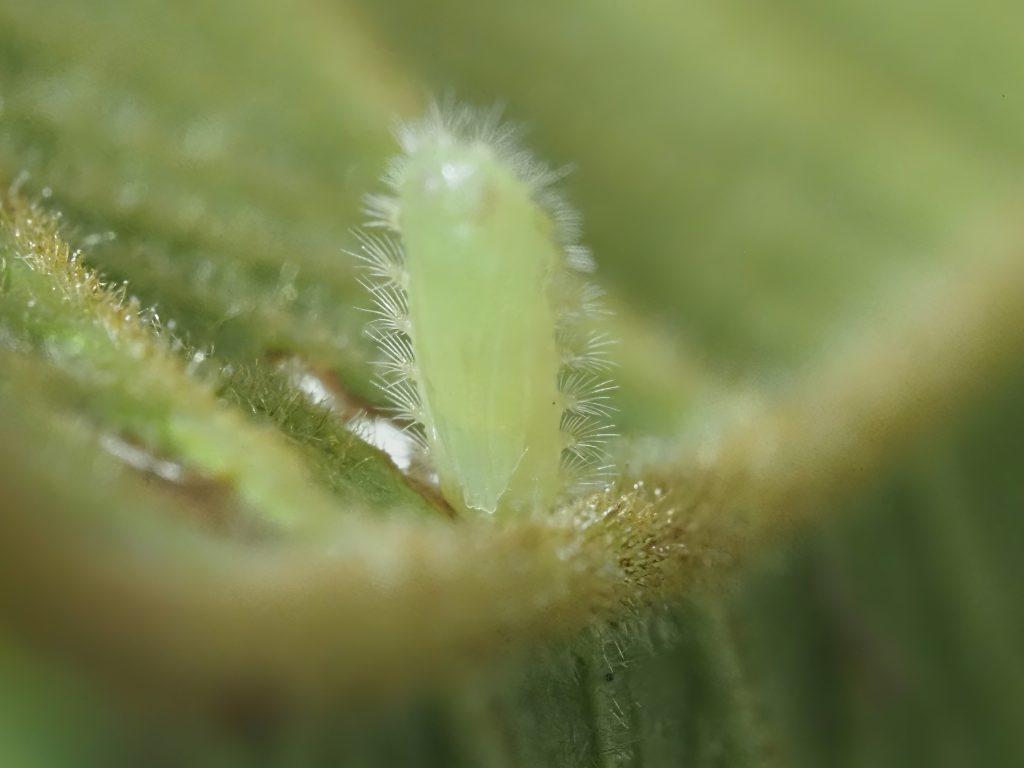
So far, we have only observed them in the final instar. It was difficult to tell the difference between a larva and a pupa. Only by encouraging one to walk was it possible to know which end was the head. They are covered with verrucae (small knobs covered with setae) which hide the legs and claspers which mimics the pubescent ventral surface of the foodplant leaves, acting as a camouflage.
In the final instar the larva measures 8mm.
No eggs have been seen.
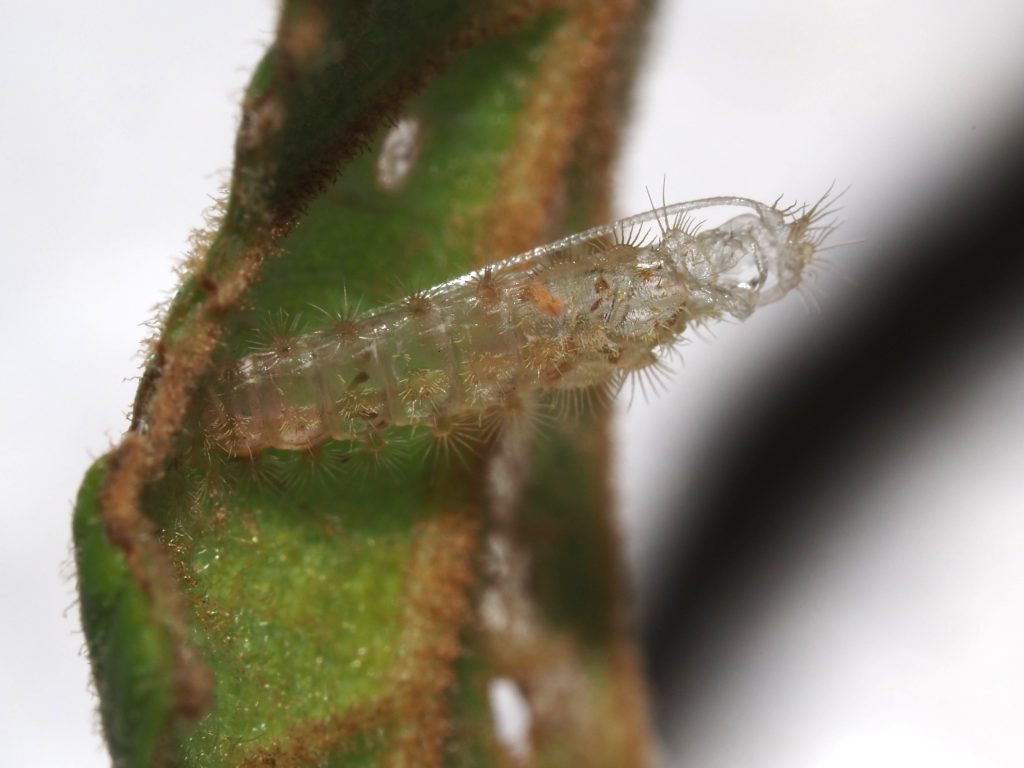
The black marks on the one in the photos below are detritus. These were discarded with the final excuviae.
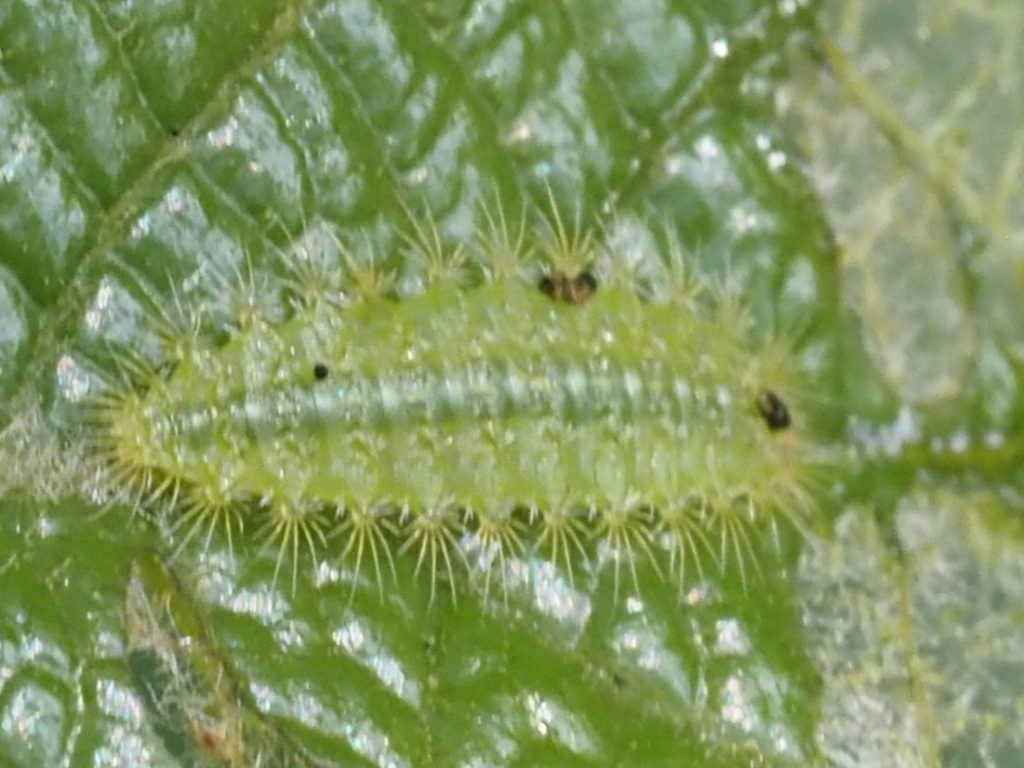
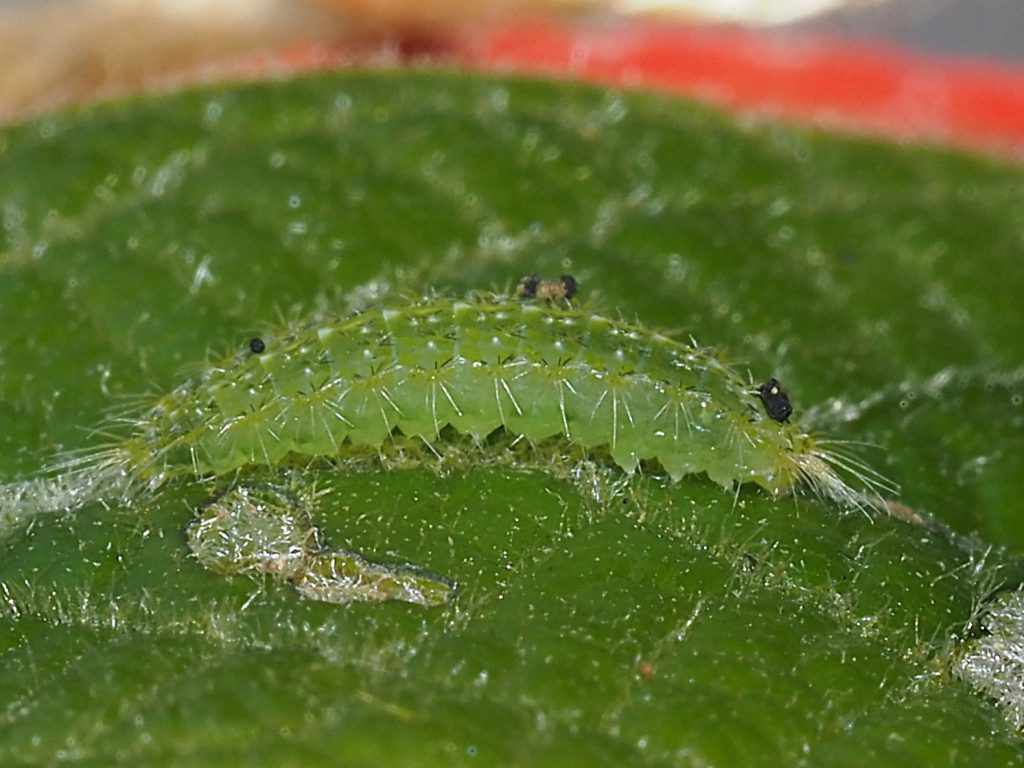
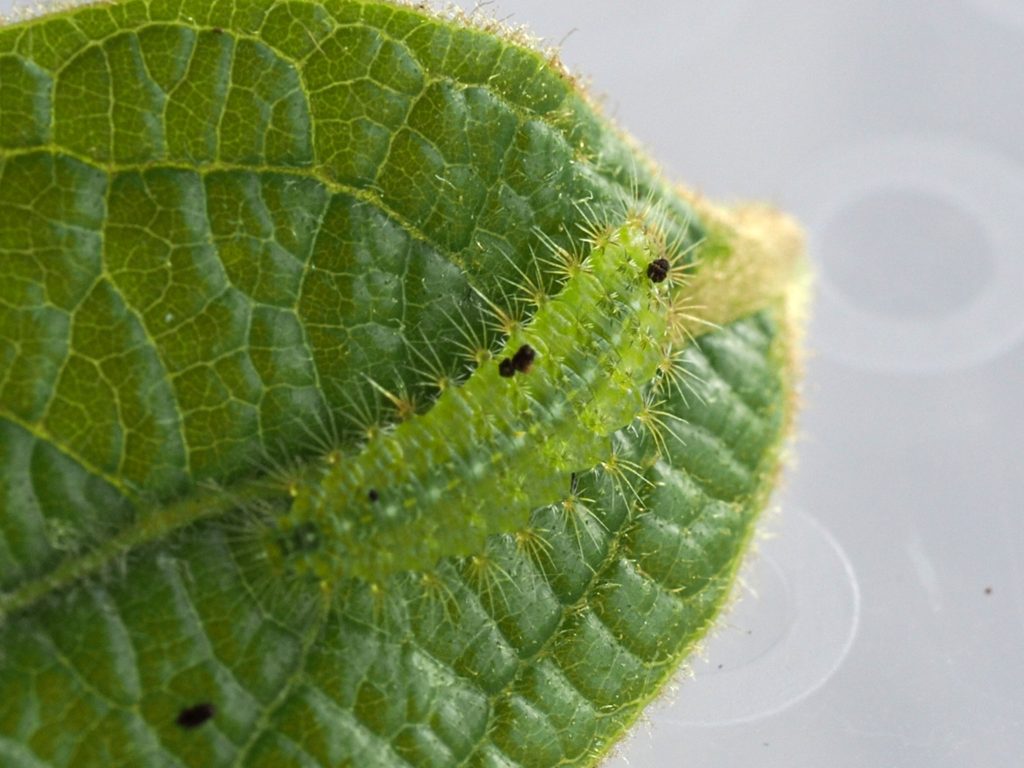
Pupa
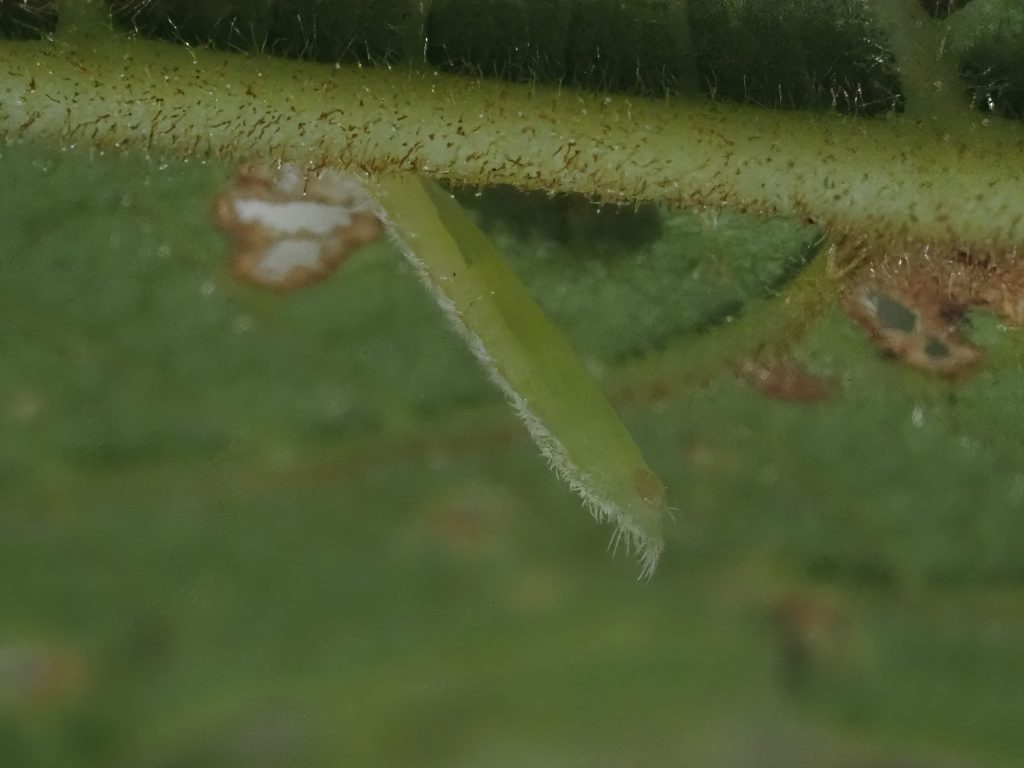
Pupae are covered in an arrangement of verrucae similar to the larva. Pupation is on the ventral side of the leaf, generally along the midrib or a secondary vein. It is attached to the leaf by the anal end. When ready to hatch it lifts up from the leaf, standing at an angle. Pupation lasts 12 – 13 days.
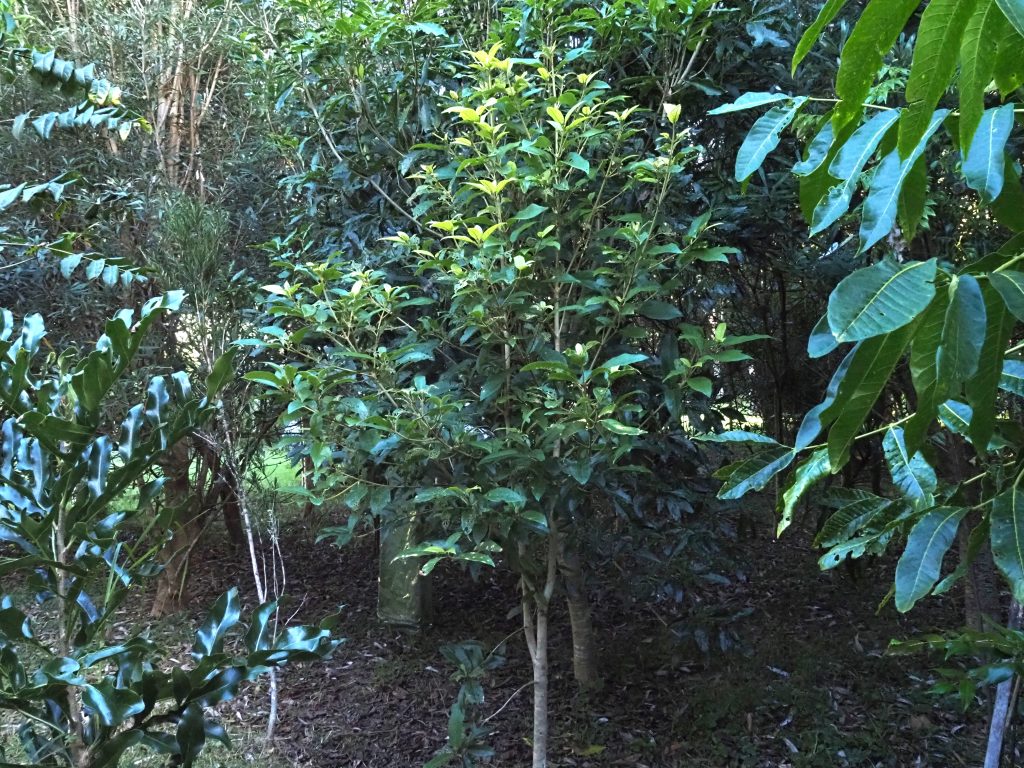
Larval foodplant
Gmelina leichhardtii white beech