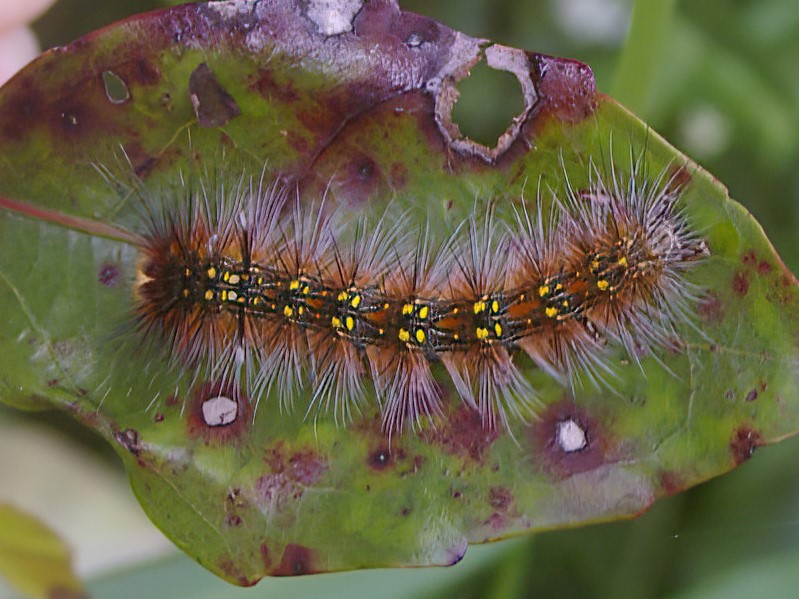
Anthela acuta
A very variable species.
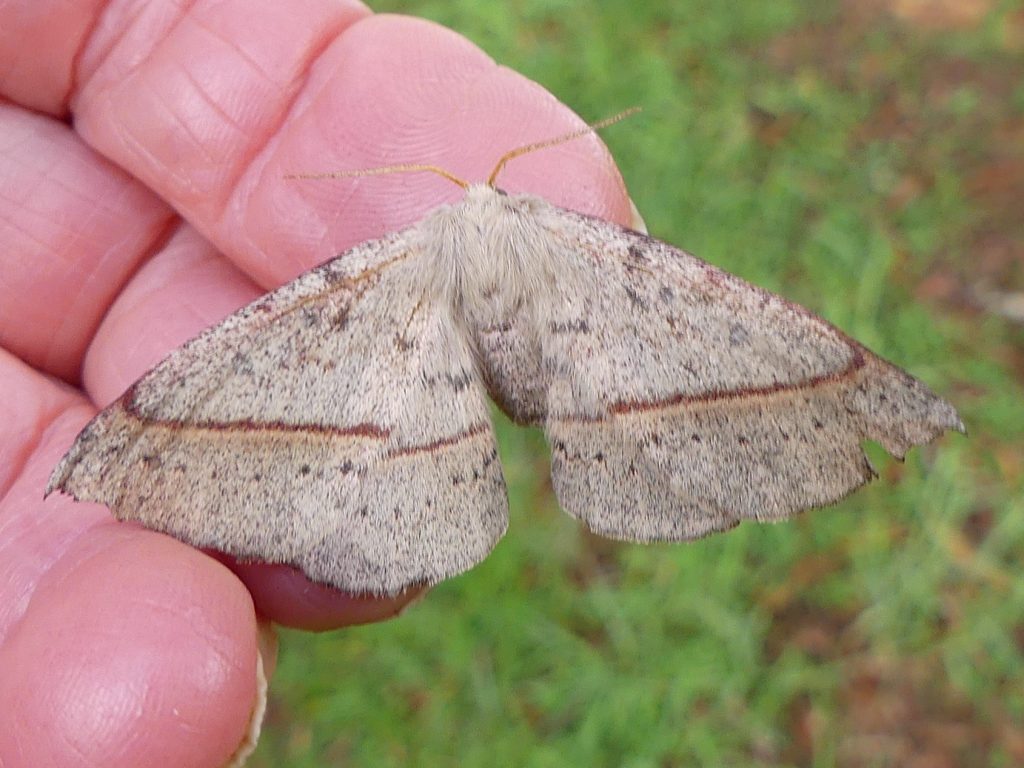
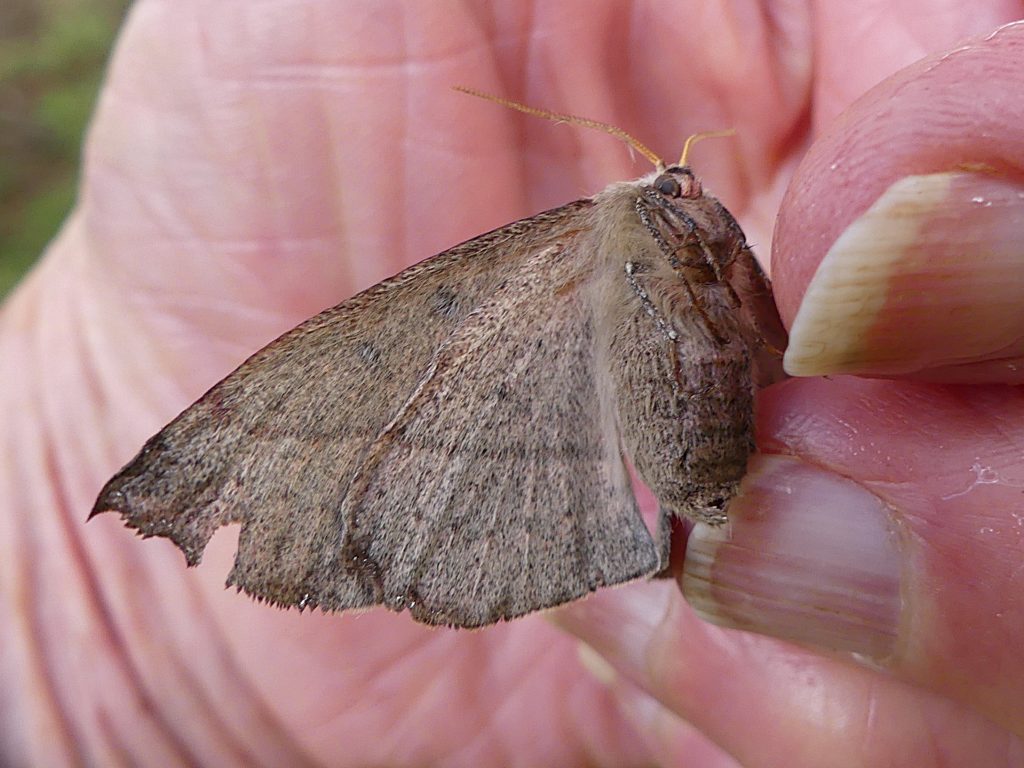
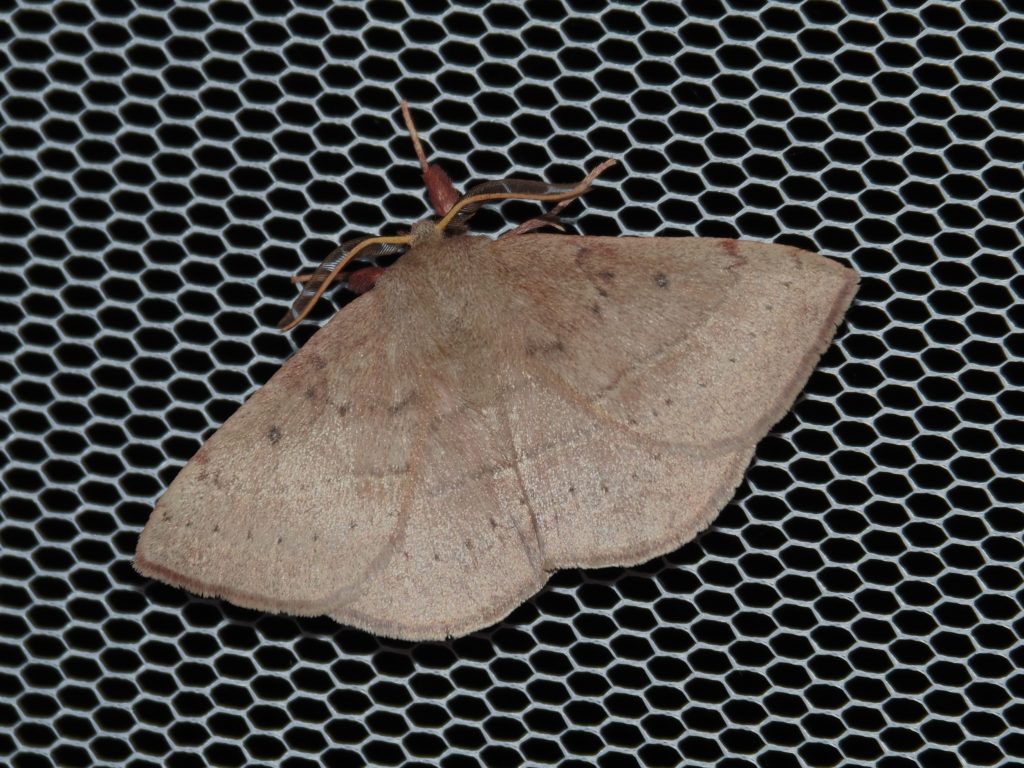
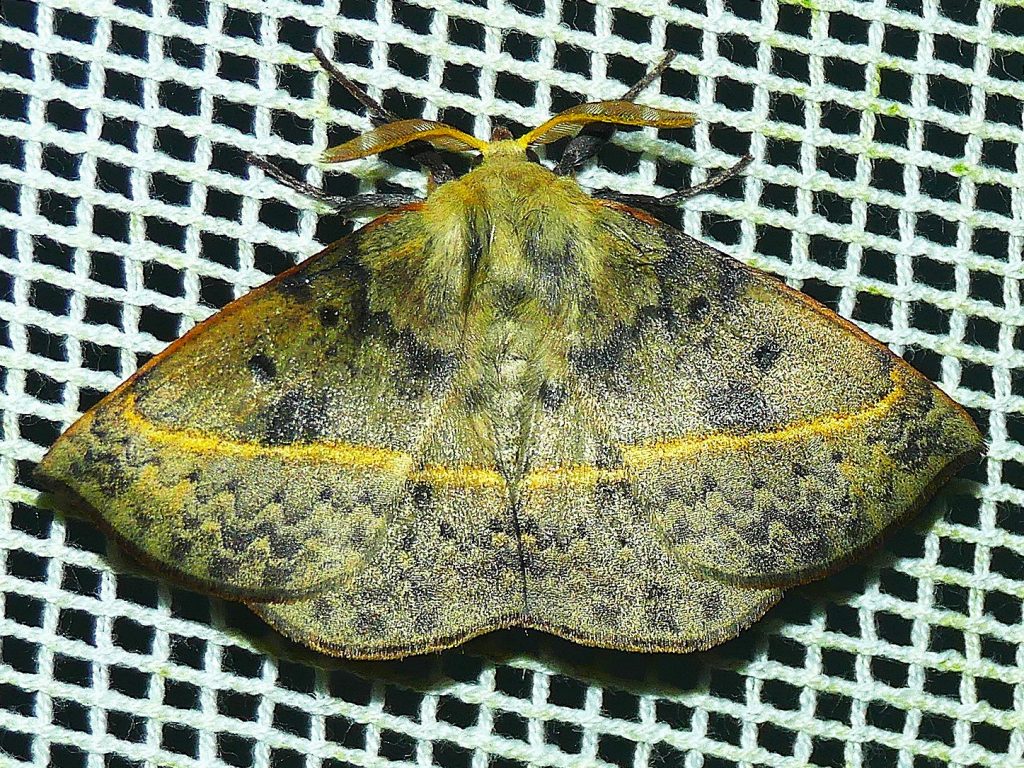
IDENTIFICATION AIDS: COLOUR FORMS. Because adult colour forms for A.acuta females and A.acuta males found here on our property are so variable, we have chosen to display them in a range of colours. Our display consists of two Groupings based on their dominant colour, a Female group first, followed by a Male group.
Note: Female A.acuta moths are larger than Male A.acuta moths.
Our perceived dominant colour forms are: yellow, orange, fawn, brown, grey and any colour with black or brown overlays. There may be other colour forms not yet encountered here.
Both A.acuta females and A.acuta males are attracted to our moth light.
Both sexes have two eyespots high on the forewing, the slightly smaller eyespot closer to the head. The eyespots have a black rim and usually display a lightish different colour within the rim but occasionally are filled black.
Both sexes also has other Identification markings, a Post-medial line across all four wings, sometimes dominant, sometimes subdued. For females this line displays as a double line. However for males it is usually a single line but can occasionally be a double line.
Each moth will also display a line of dots (closer to the wing edge) as a marginal band starting close to the forewing apex and continuing across all four wings. Near the inner margin of the forewing these dots may become a Zigzag line for a short distance.
On rare occasions there will also be a Zigzag line below the dots crossing the four wings and on even rarer occasions the Zigzag effect is produced by colour changes rather than lines.
Dr Andreas Zwick, CSIRO states: “The Anthela astata/acuta complex is highly variable and shows a dazzling variety of colours and wing patterns, even within the offspring of a single female – anything from plain brown, grey and orange to strongly speckled. This complex includes a number of species (also A. ekeikei in New Guinea), many of which are either currently regarded as synonyms or undescribed. There are clear differences in male genital structures for some of them, but without examining primary type specimens for all described species (including synonyms) and using molecular data, it’s not possible to revise this variable complex. A. astata seems to refer to a larger species, A. acuta to a smaller species, but in both cases there are multiple species involved and there are intermediates in size, too. Hence, I generally refer to any of these species as the A. astata/acuta complex. Most, if not all, of your species seem to be smaller and probably A. acuta (or one of the many synonyms that should be valid species).”
This very variable moth occurs in Queensland, New South Wales, ACT, Victoria, South Australia and Tasmania. We have seen it here on our property in all months of the year with the exception of May and June.






Larval foodplants
Different species appear to feed on a variety of food plants. We are yet to breed species through to determine exact food plant relationships for each one.
Many of the larvae we have seen were feeding on grasses in POACEAE. In addition we have found them on Acacia melanoxylon (Blackwood) FABACEAE. Another was found on Scolopia braunii, (Flintwood) in SALICACEAE. We have also found larvae on the vine Parsonsia straminea, (Common Silkpod) in APOCYNACEAE and on the sedge Lomandra longifolia, (Spiny-headed matrush) in ASPARAGACEAE.