Subfamily TORTRICINAE
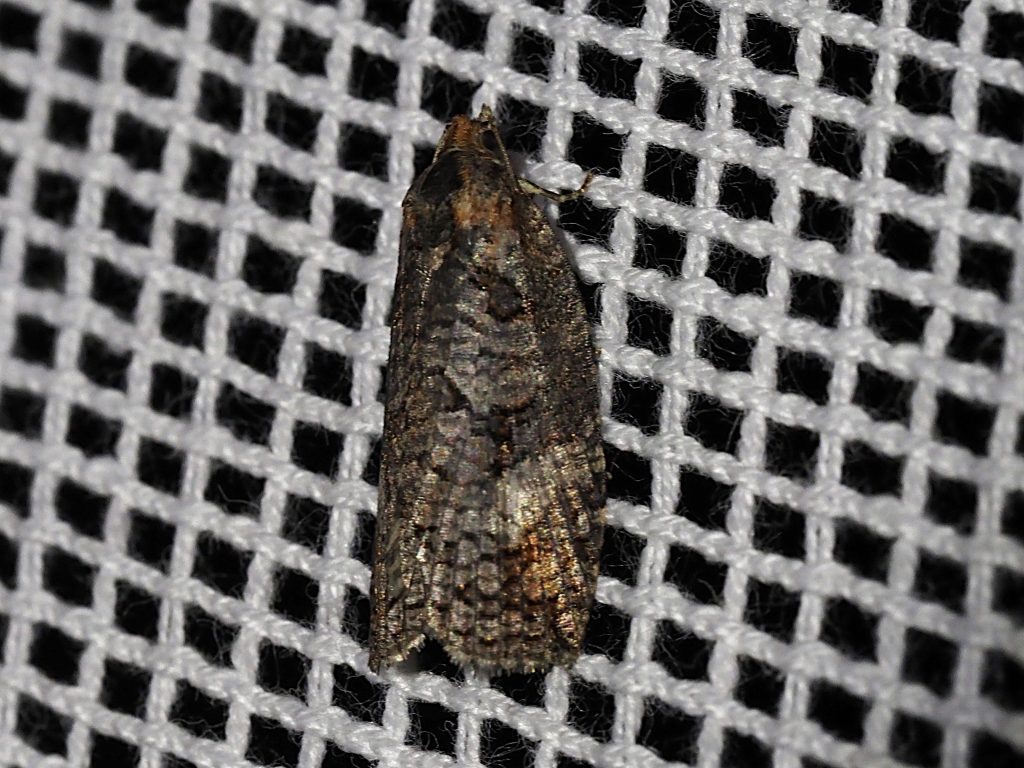
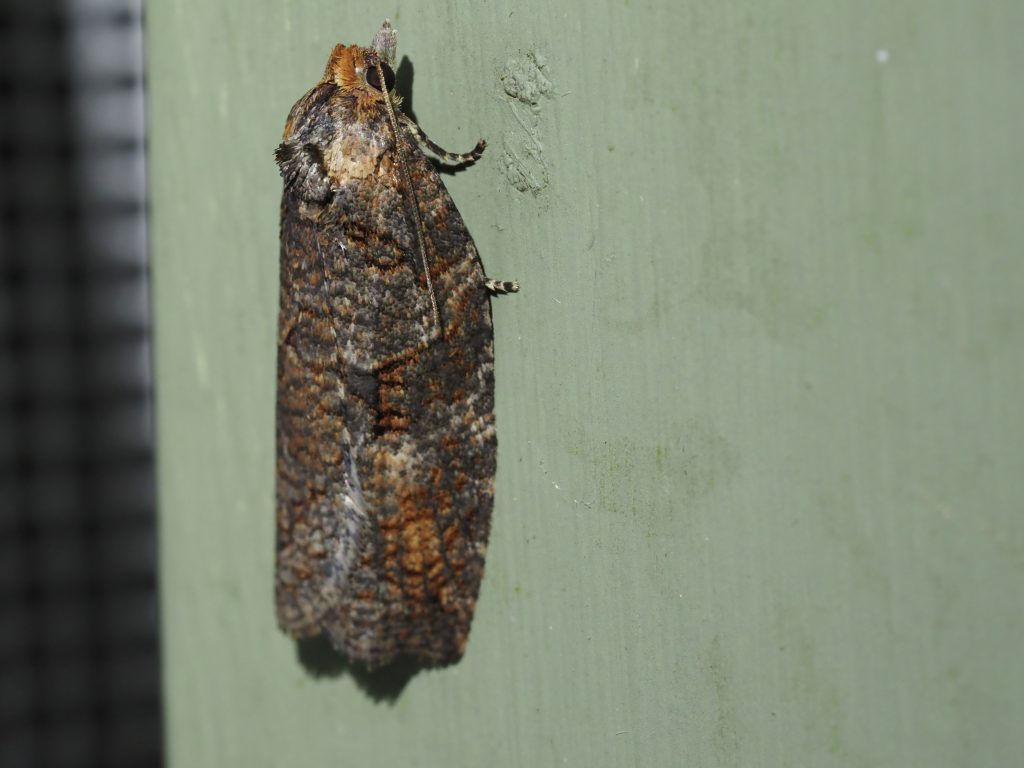
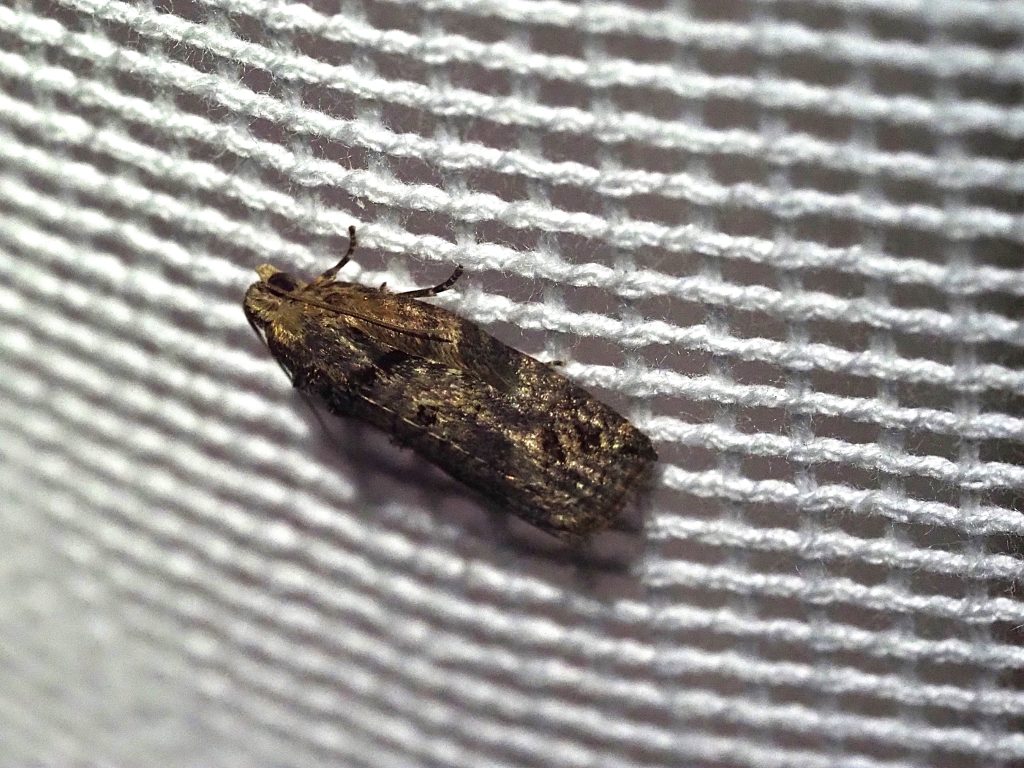
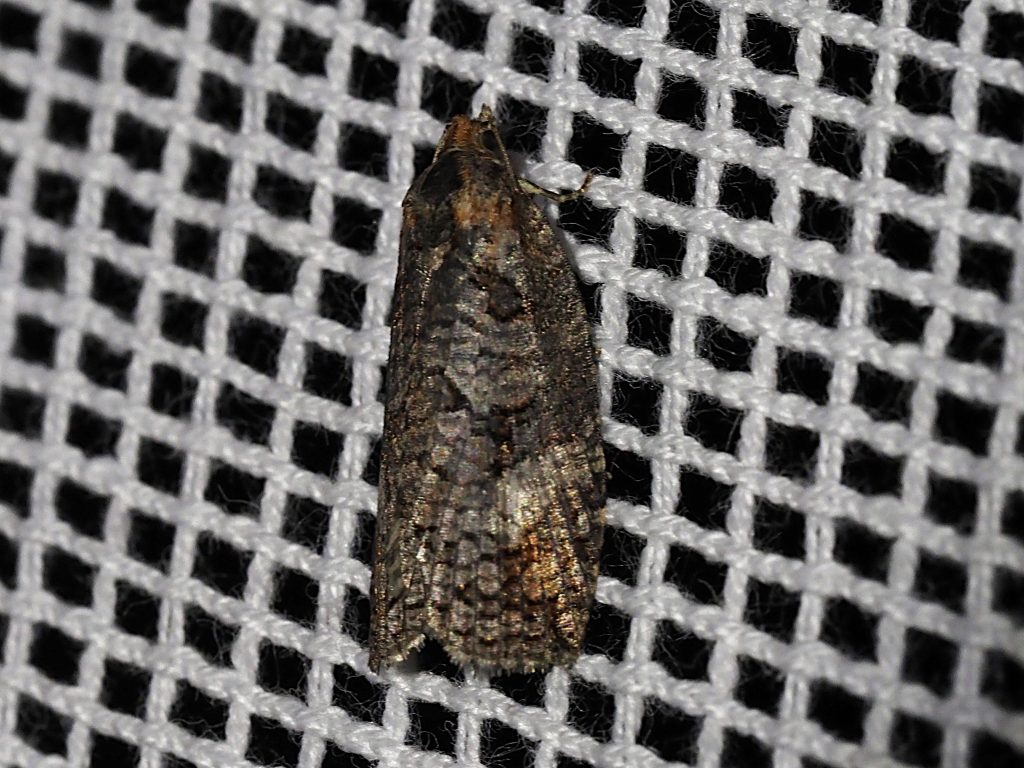
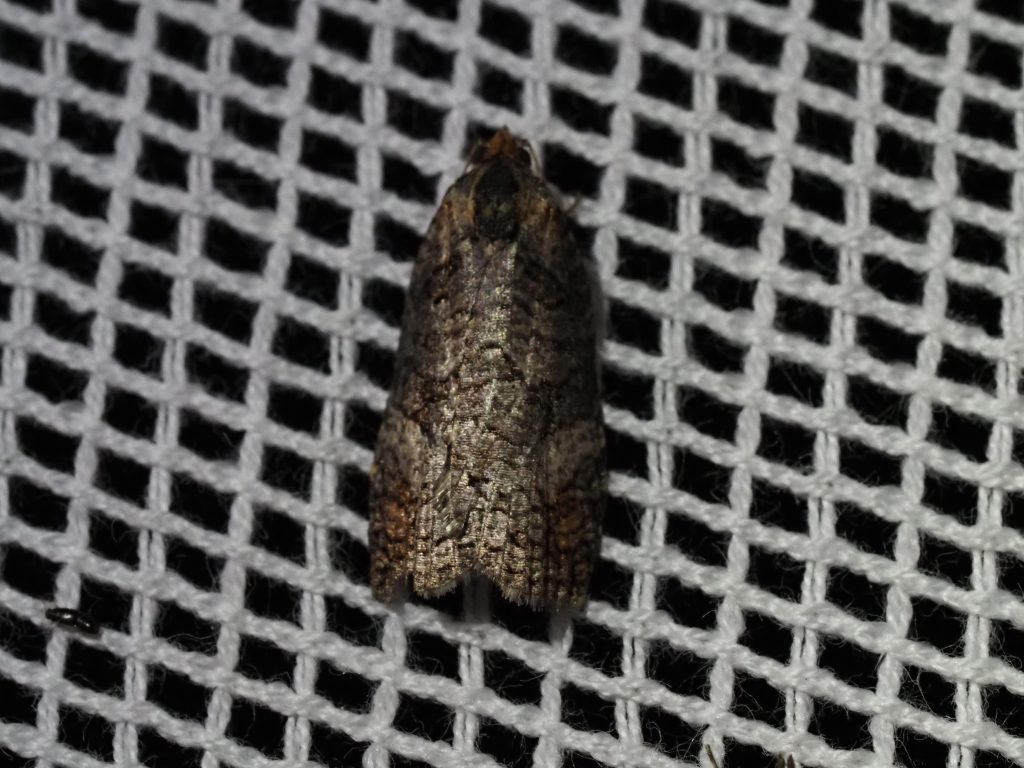
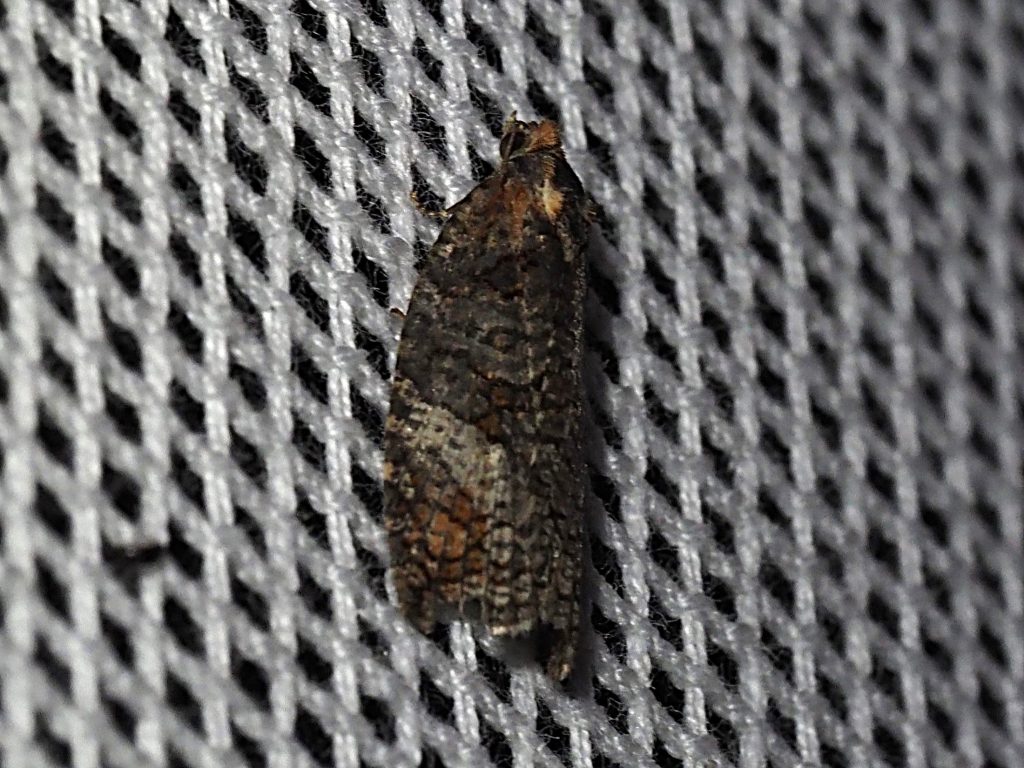
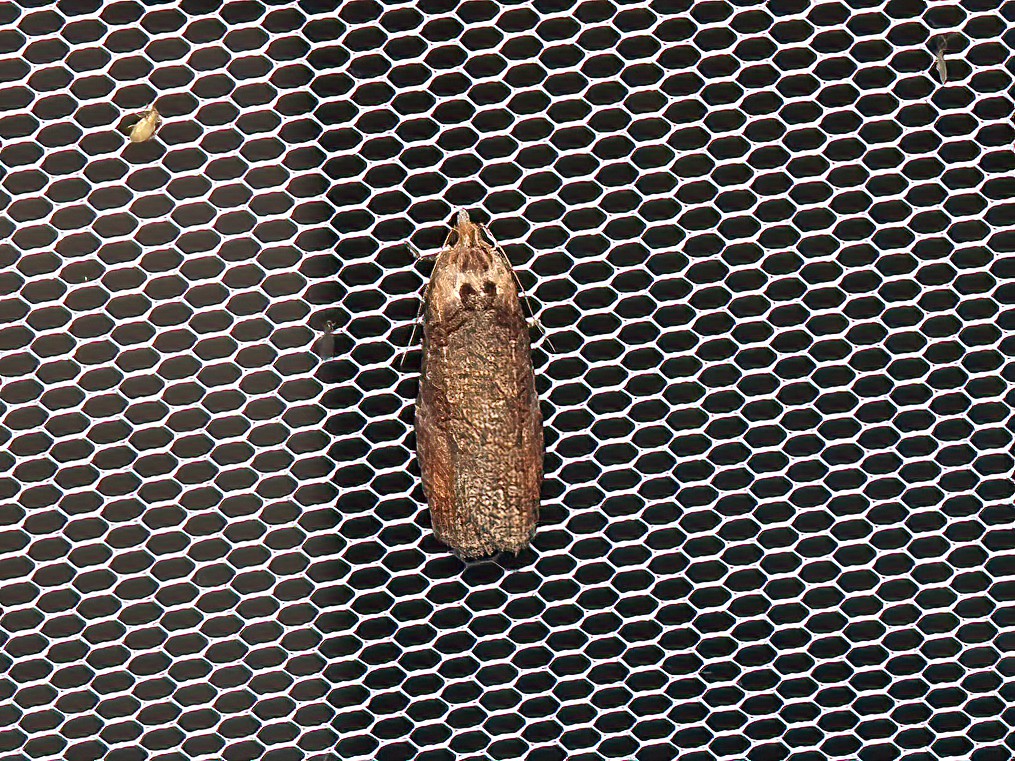
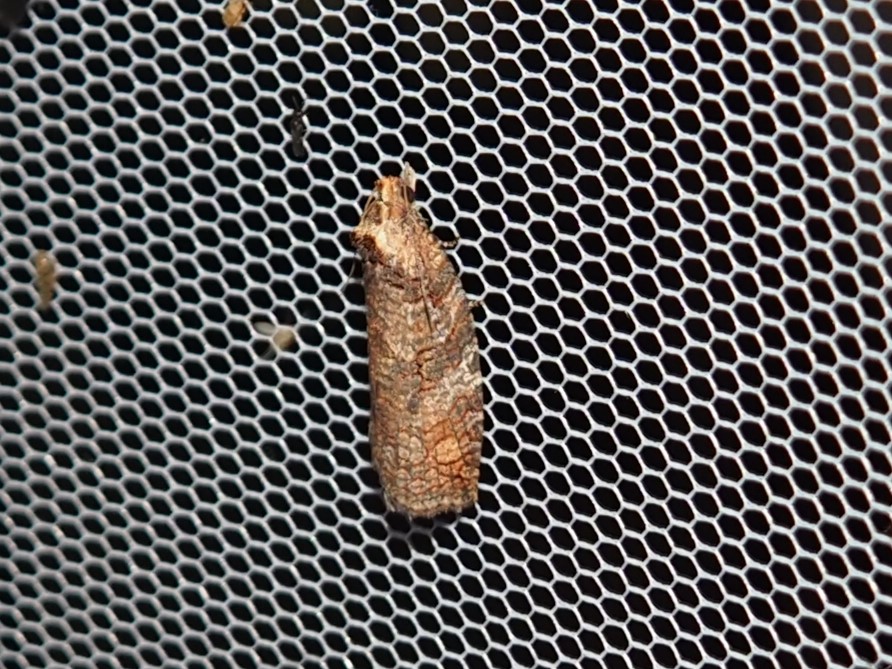
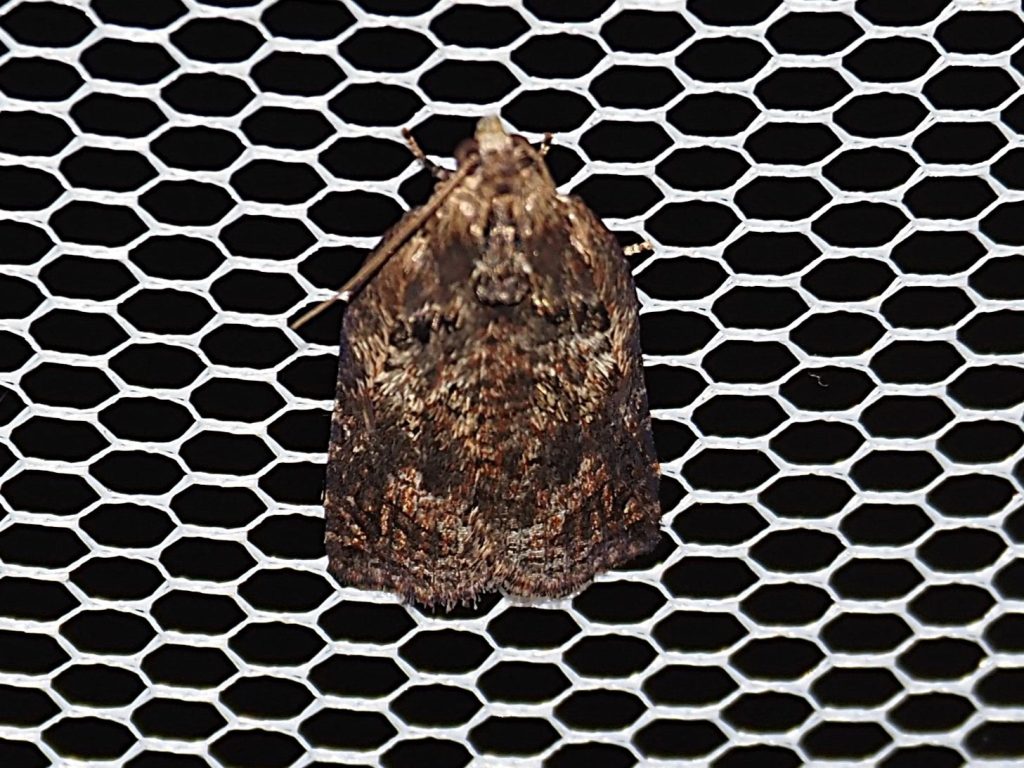
Cryptoptila australana
This moth occurs in Queensland and New South Wales. We have seen it from October to March.
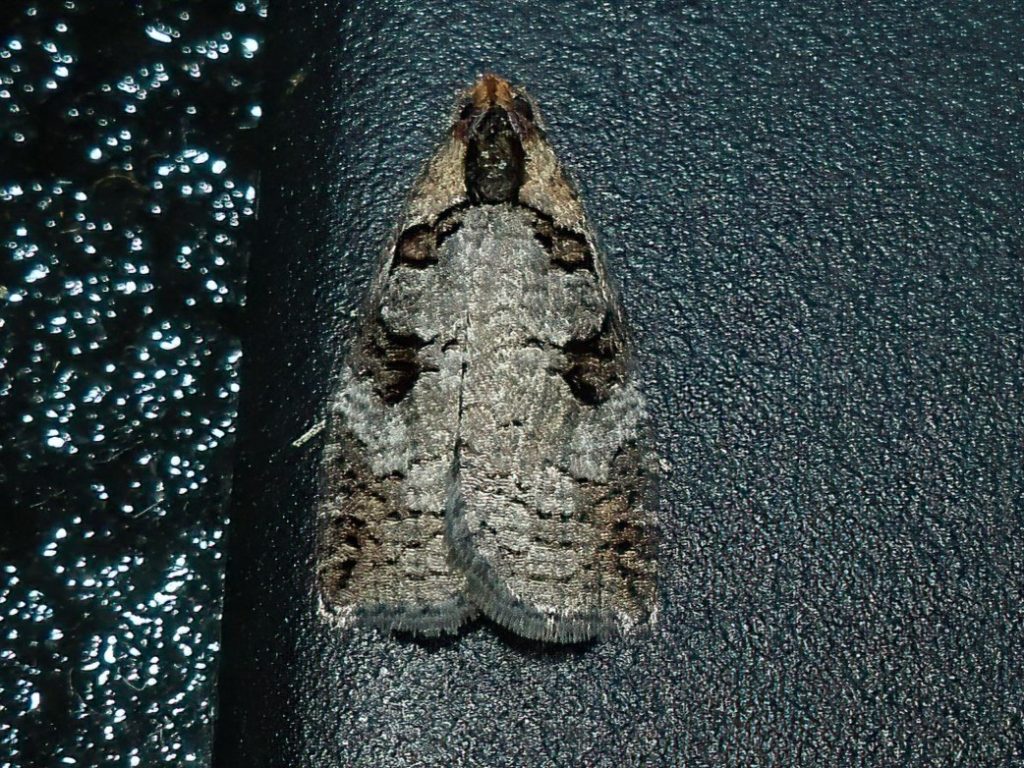
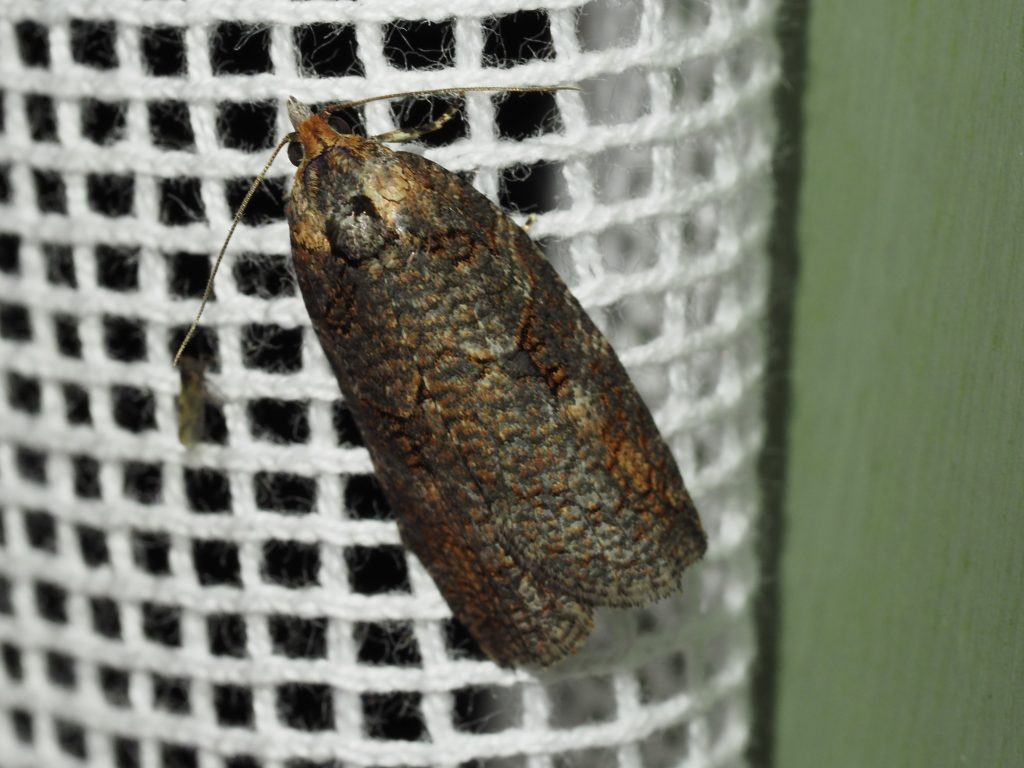
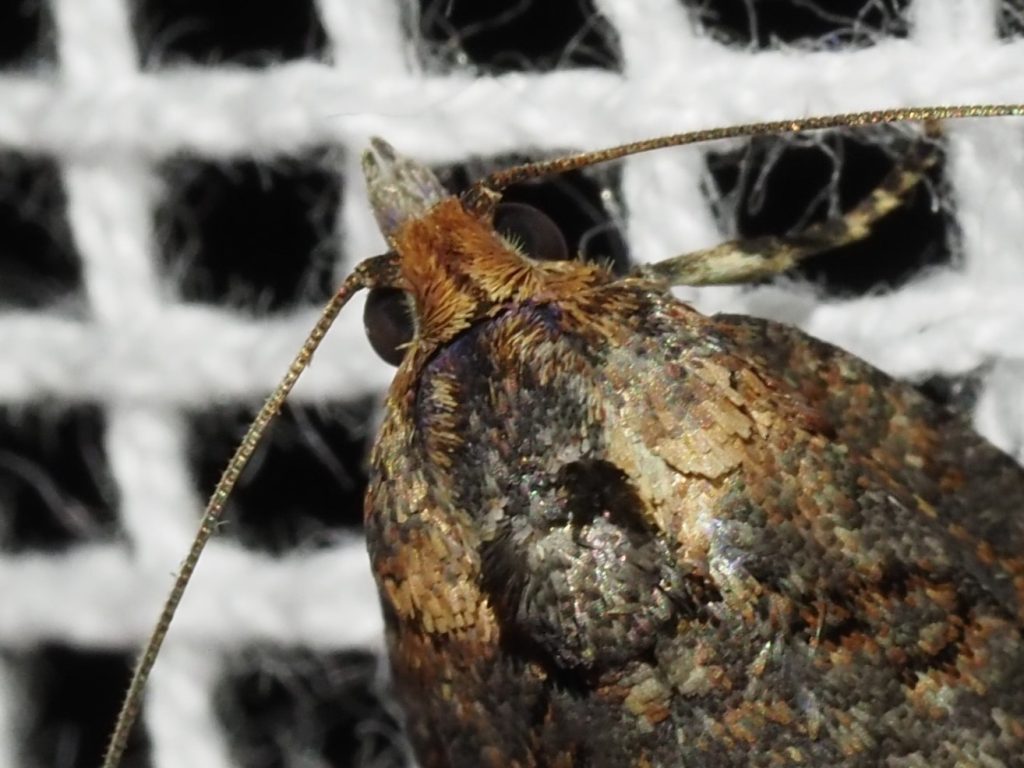
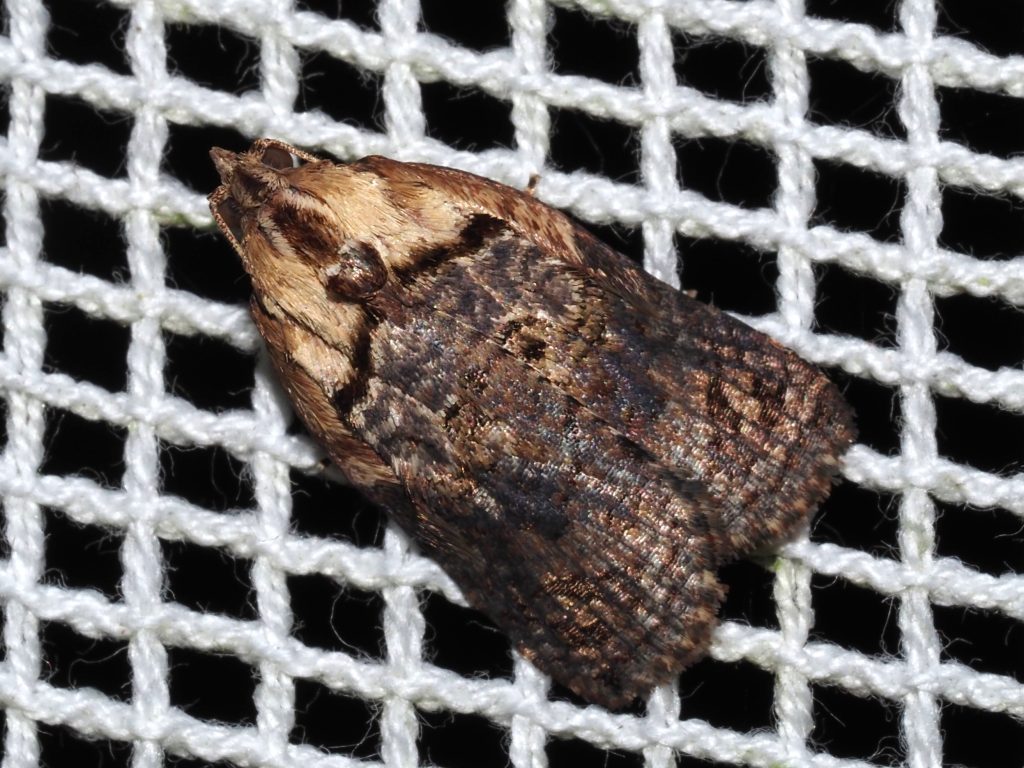
The male moths are said to be more cryptic in their patterning than the females. On this basis we have tried to identify the sex of ours.
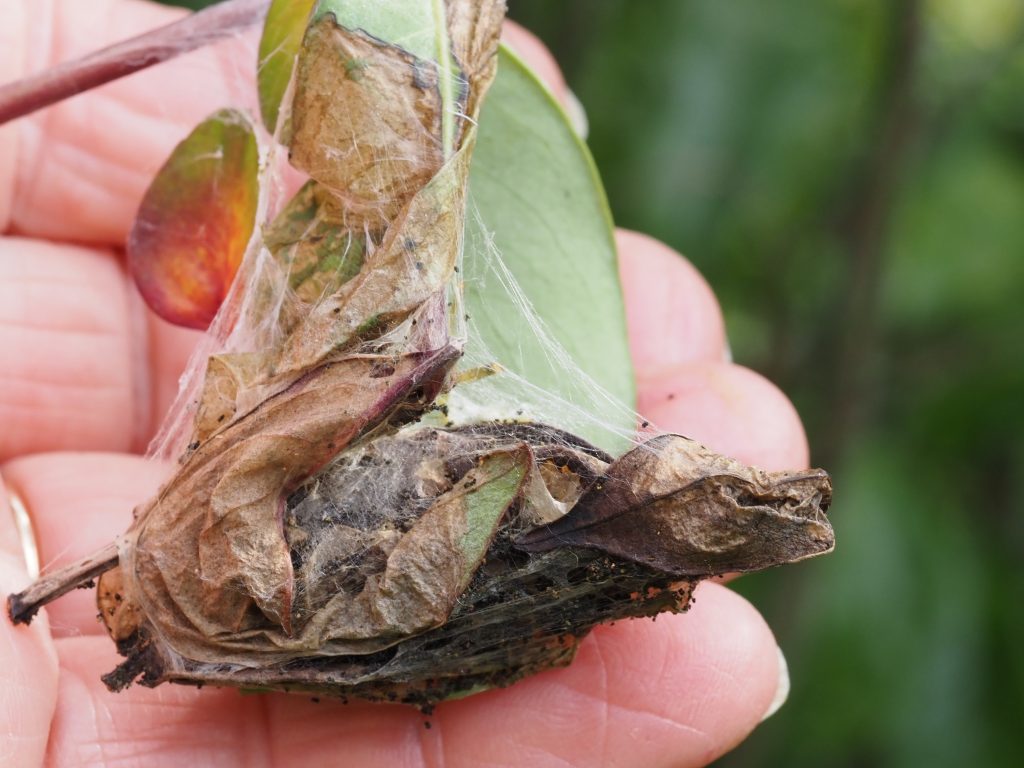
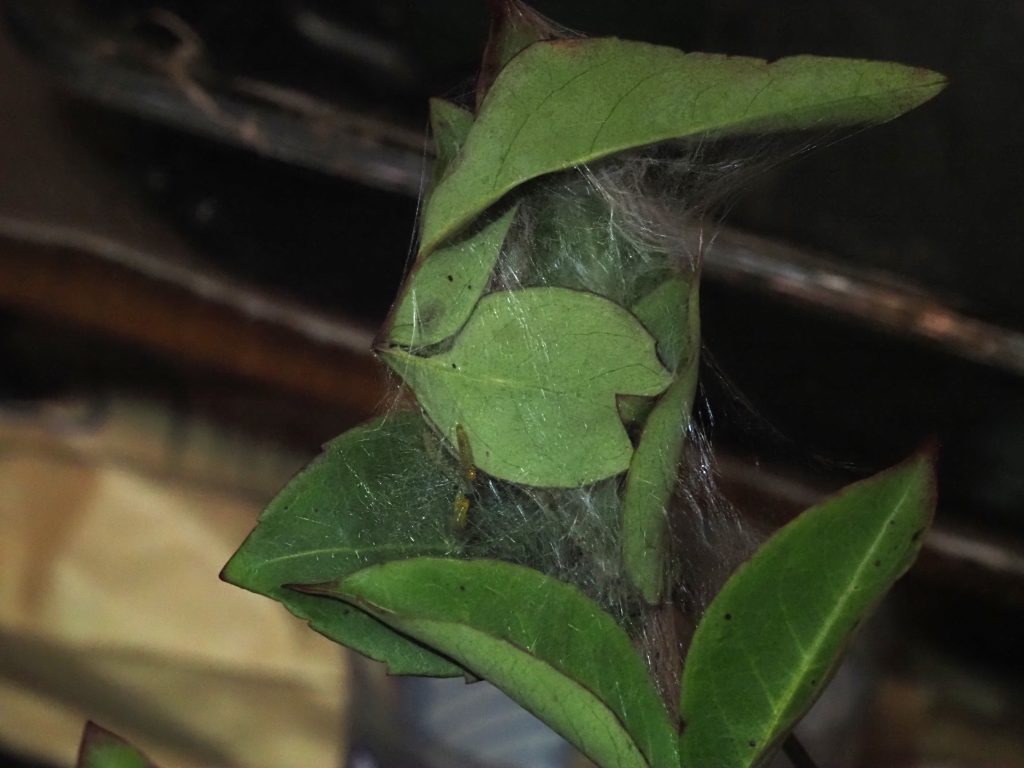
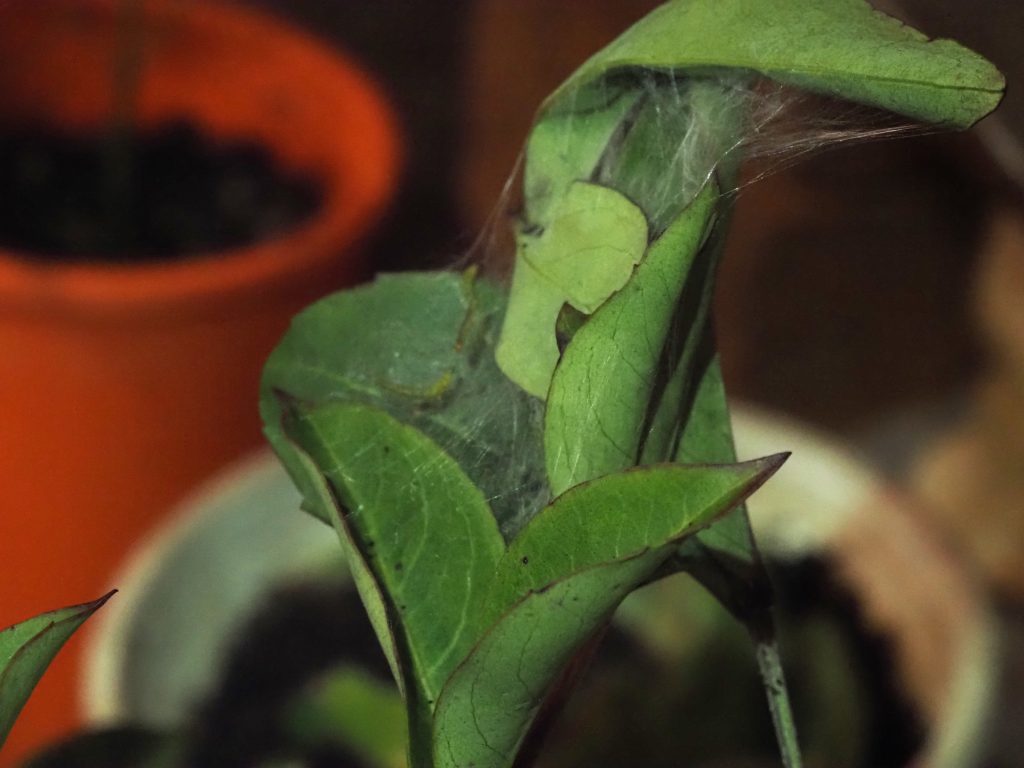
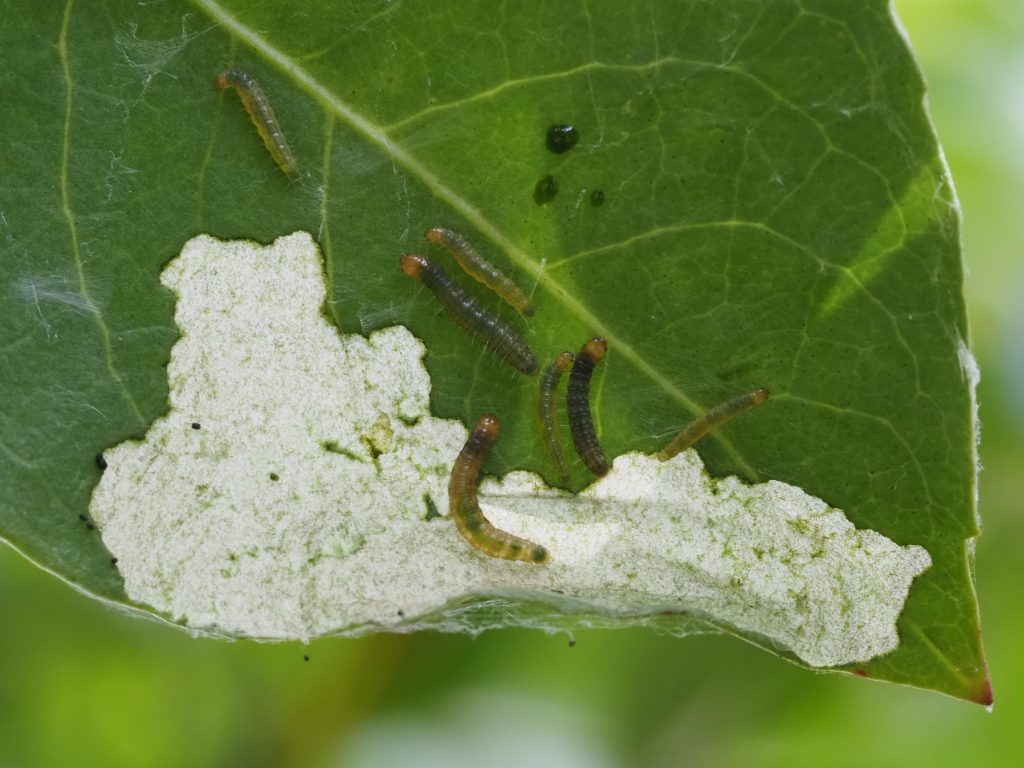
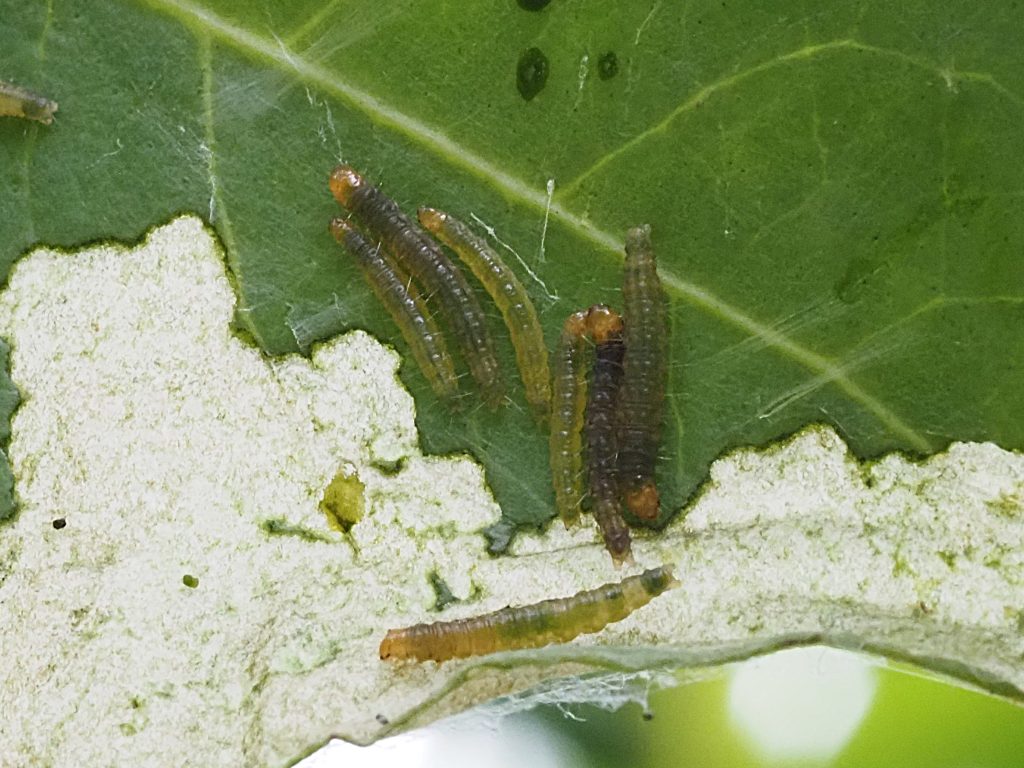
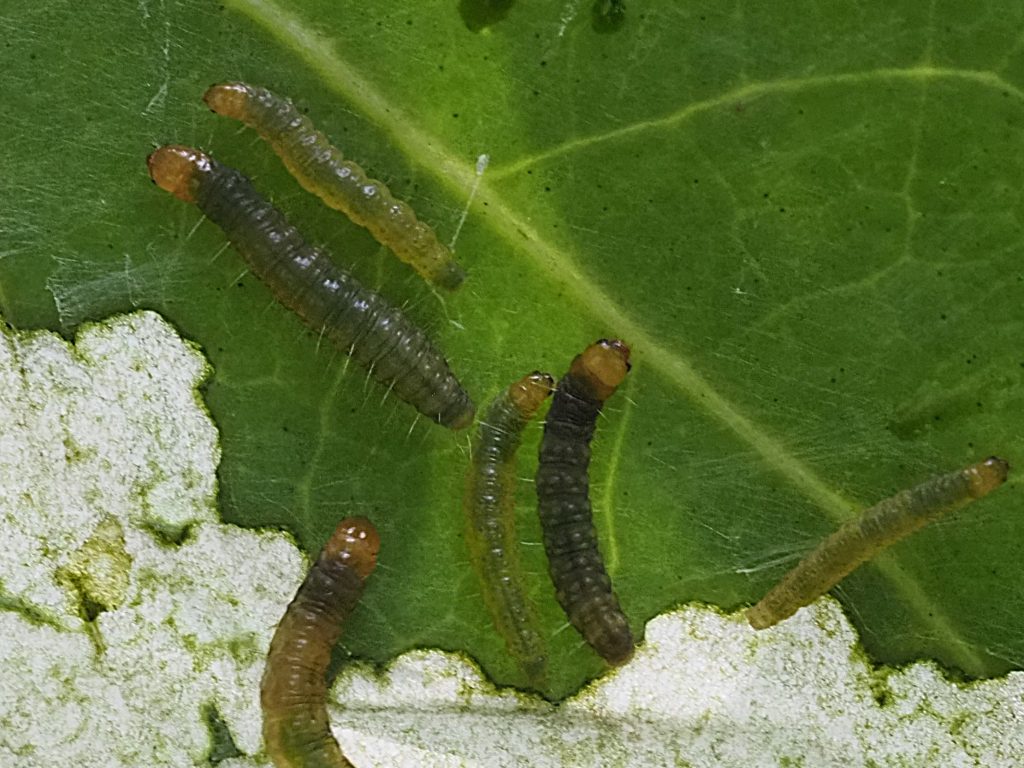
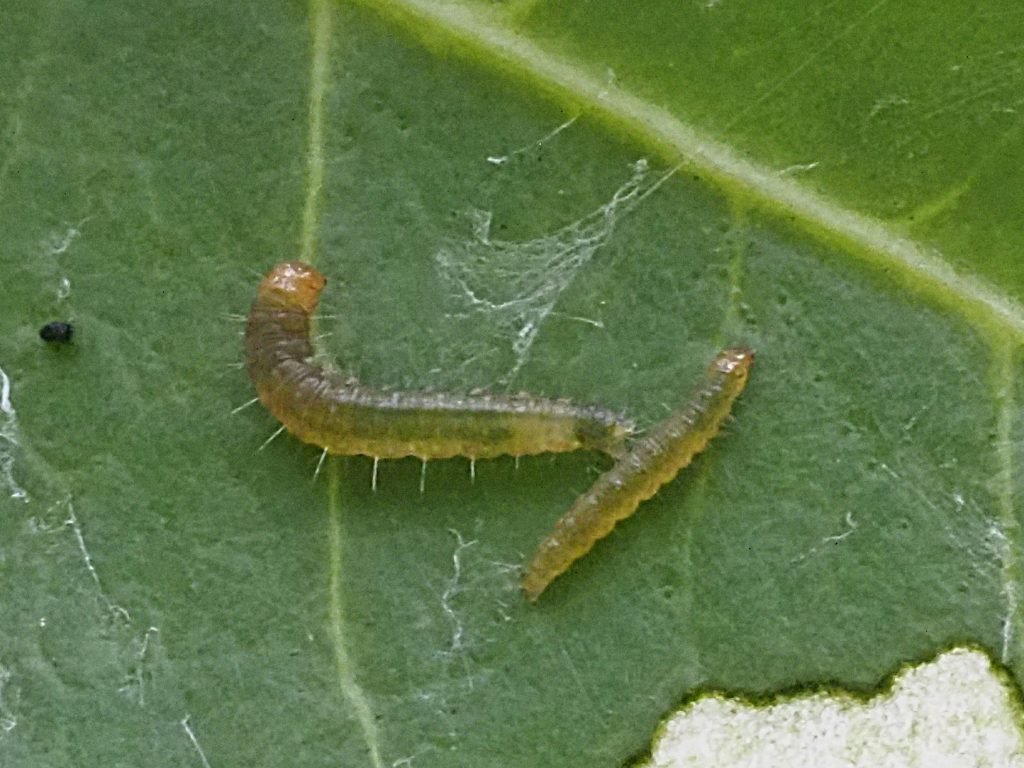
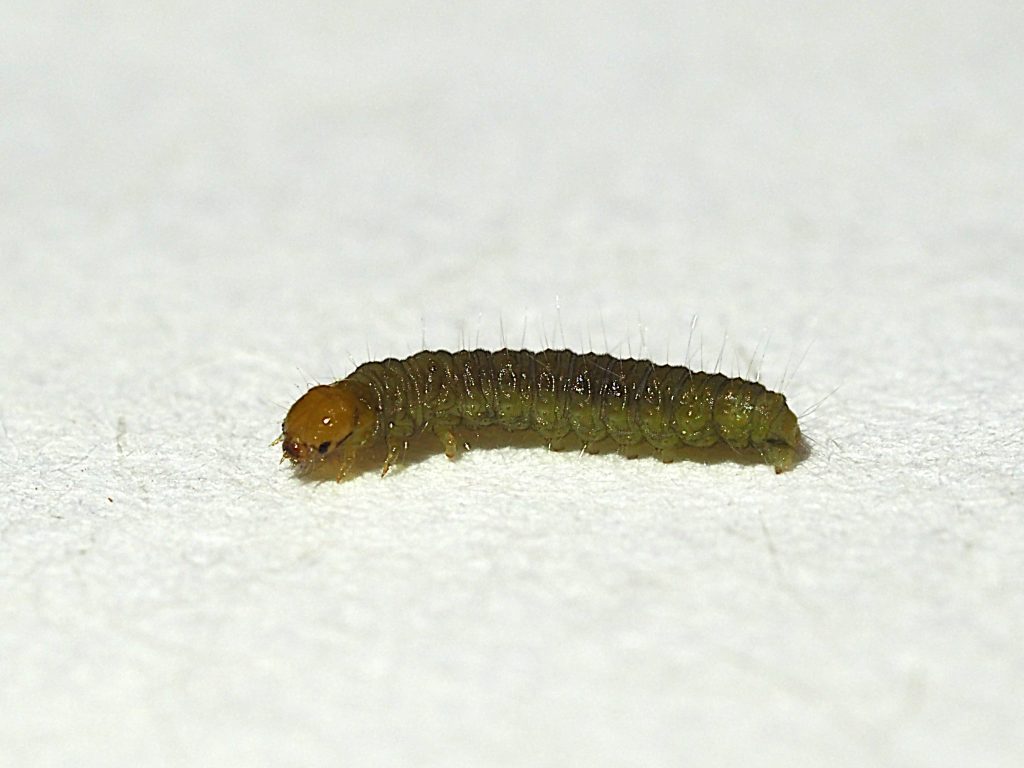
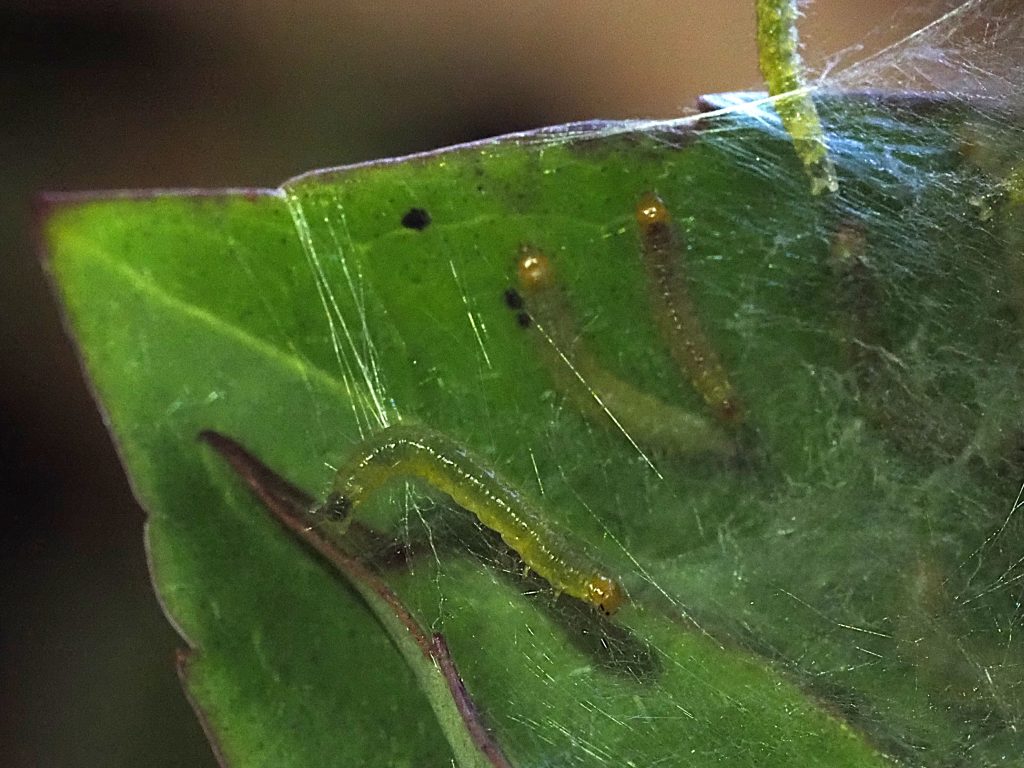
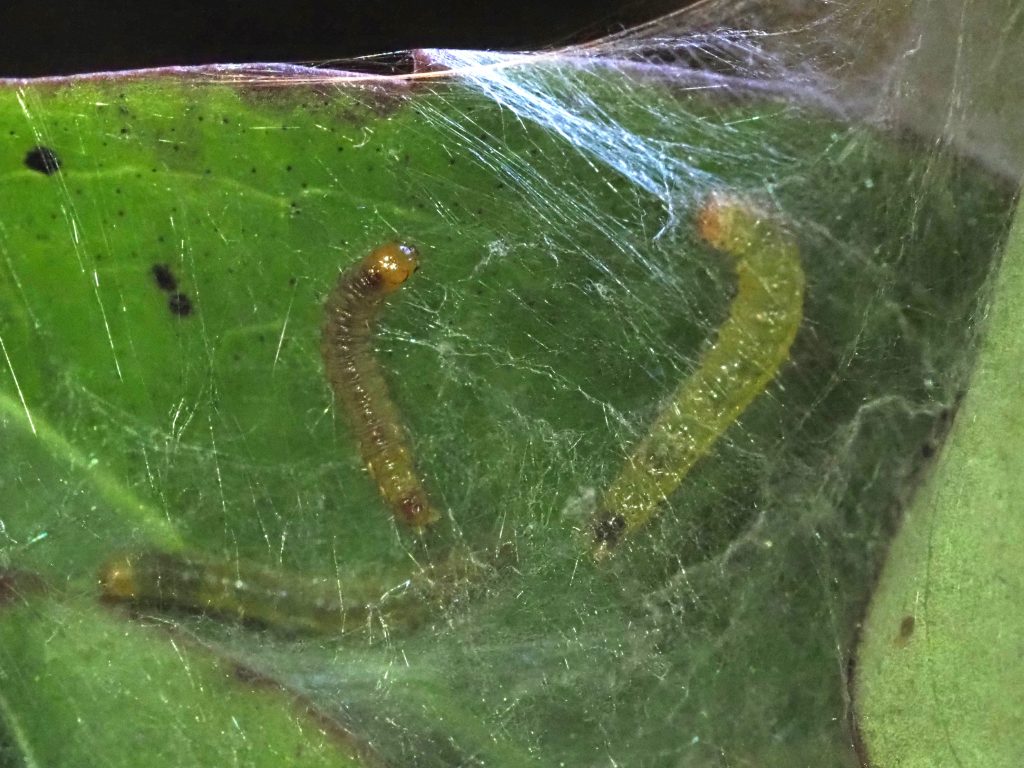
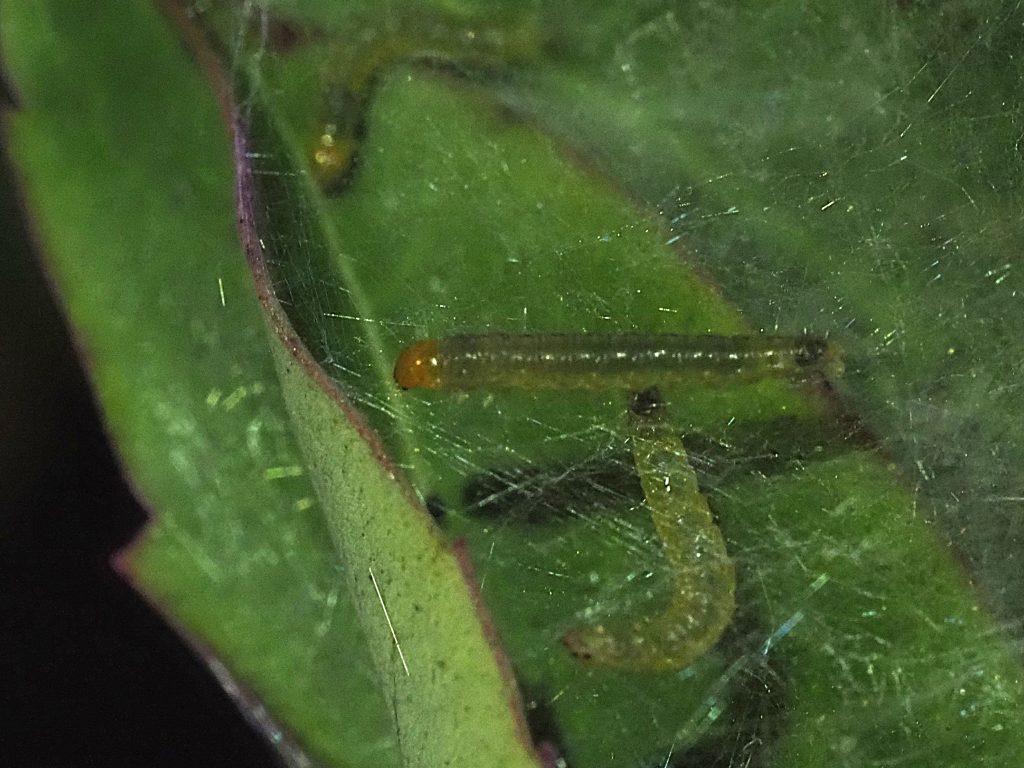
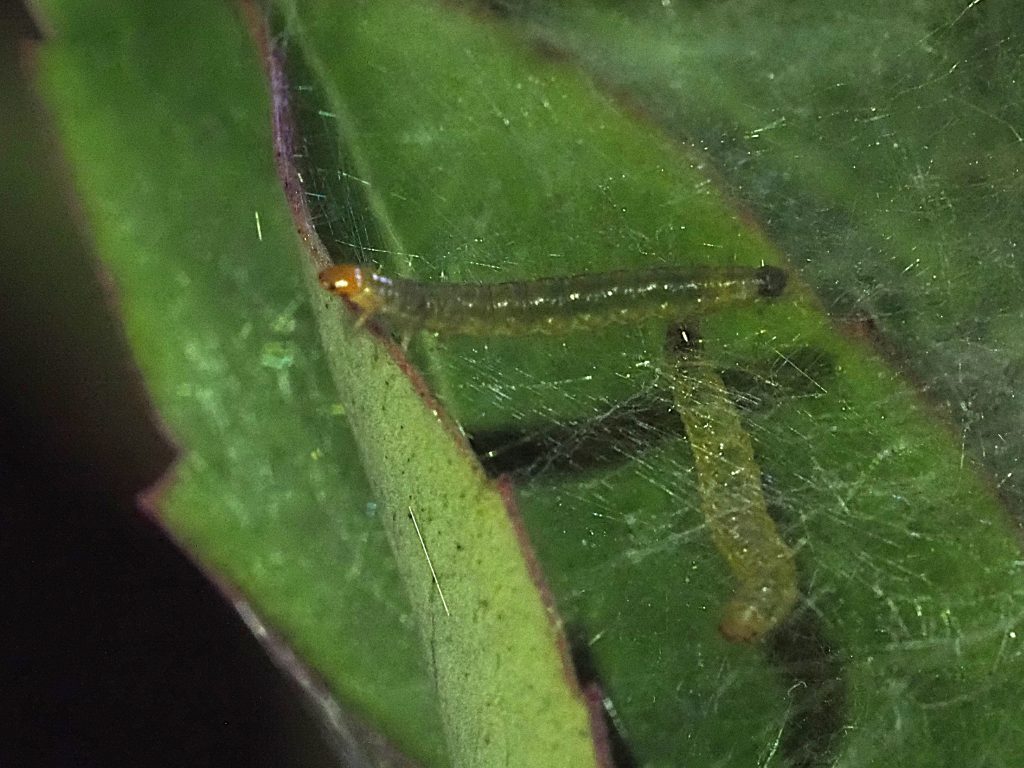
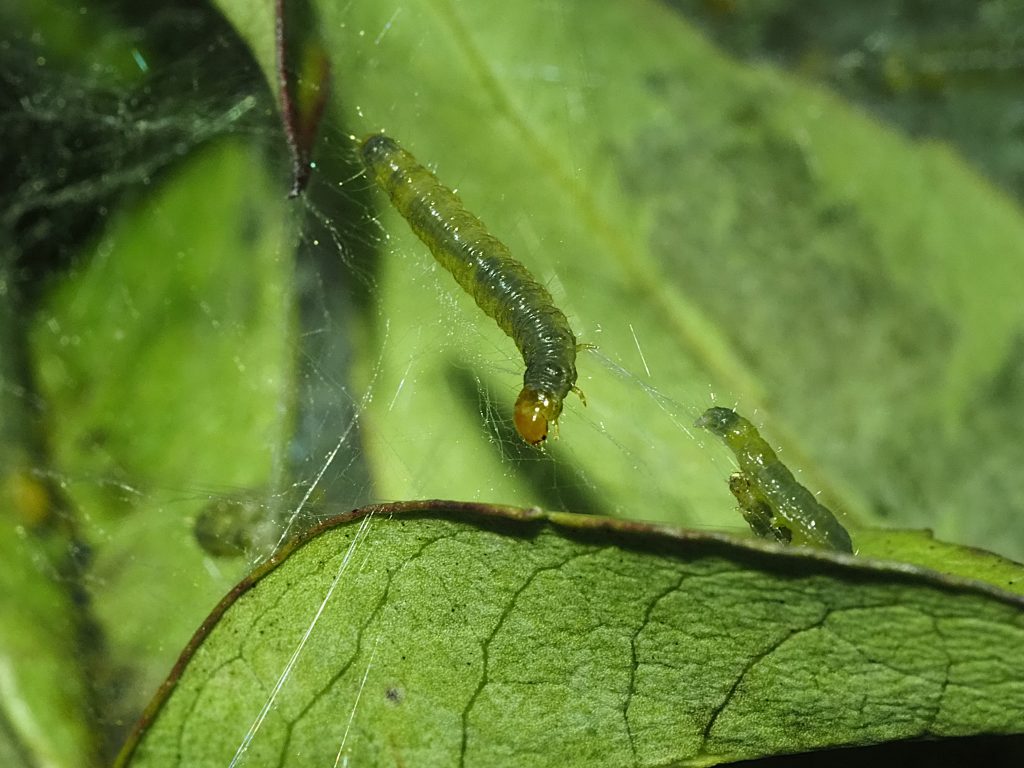
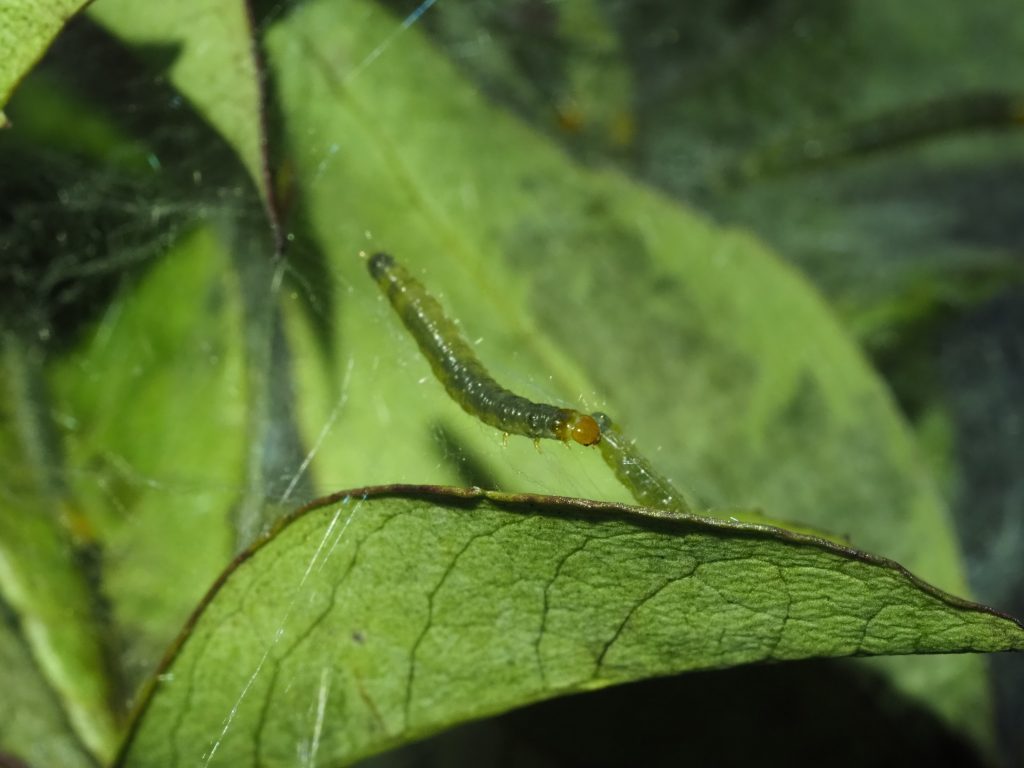
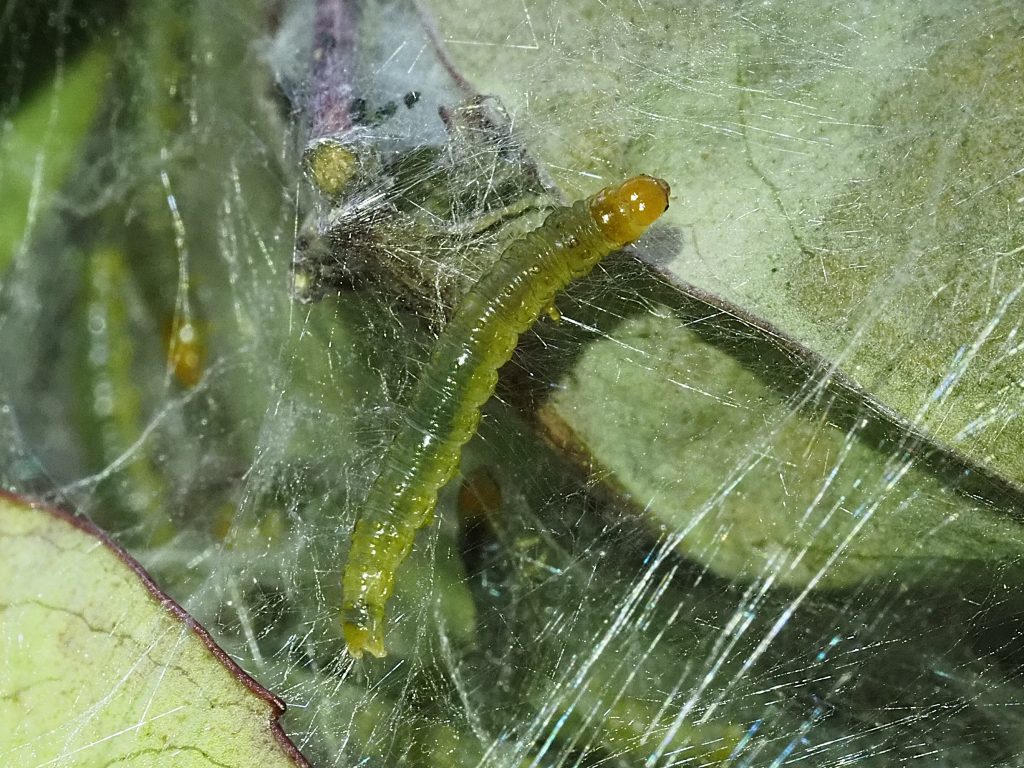
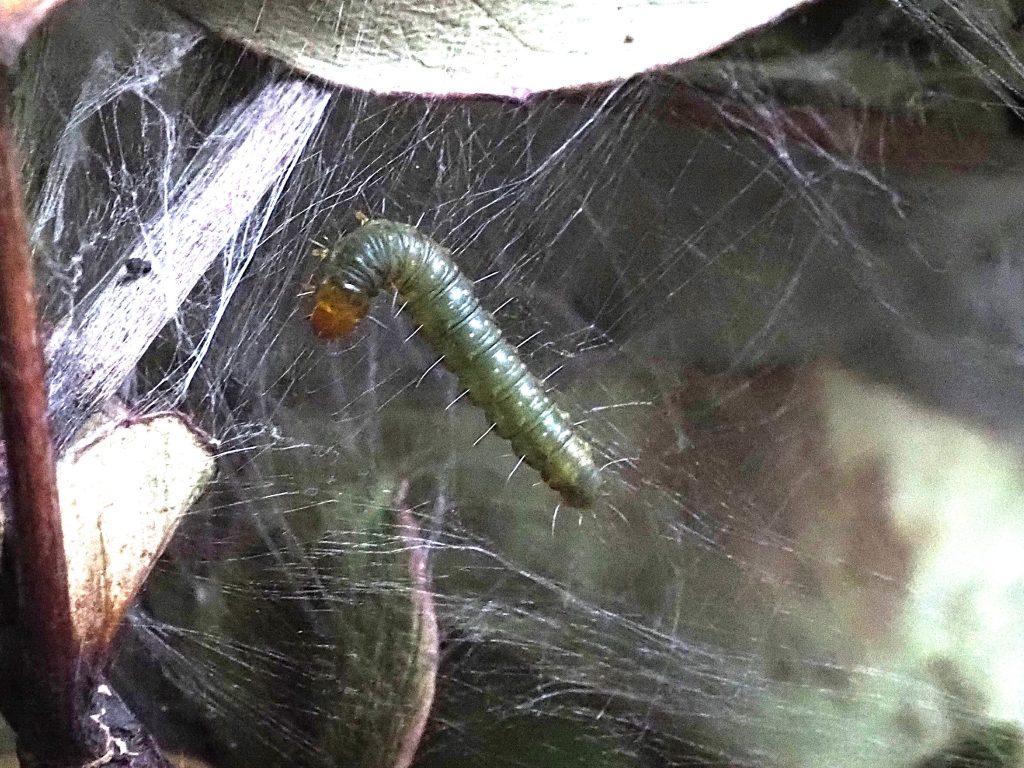
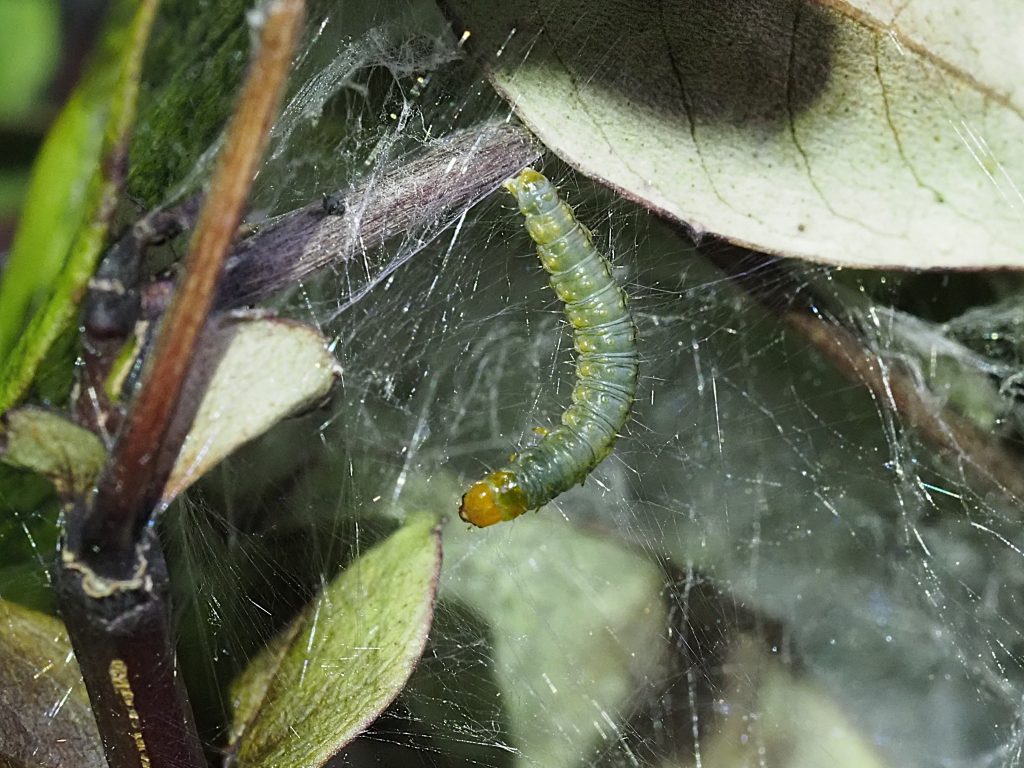
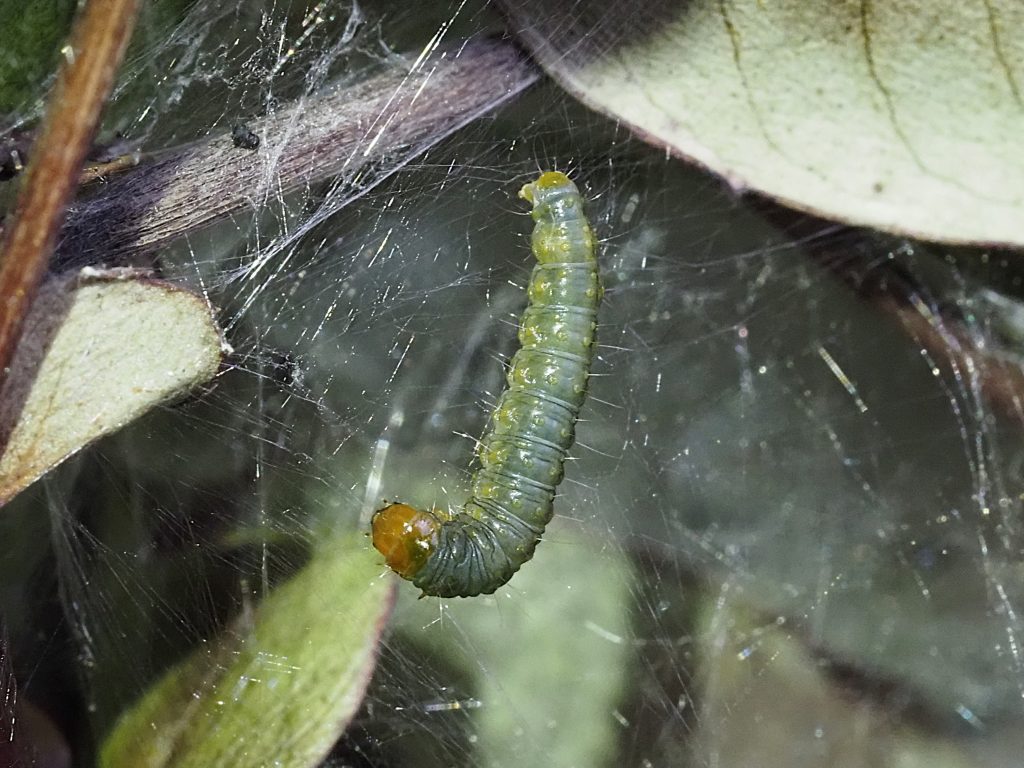
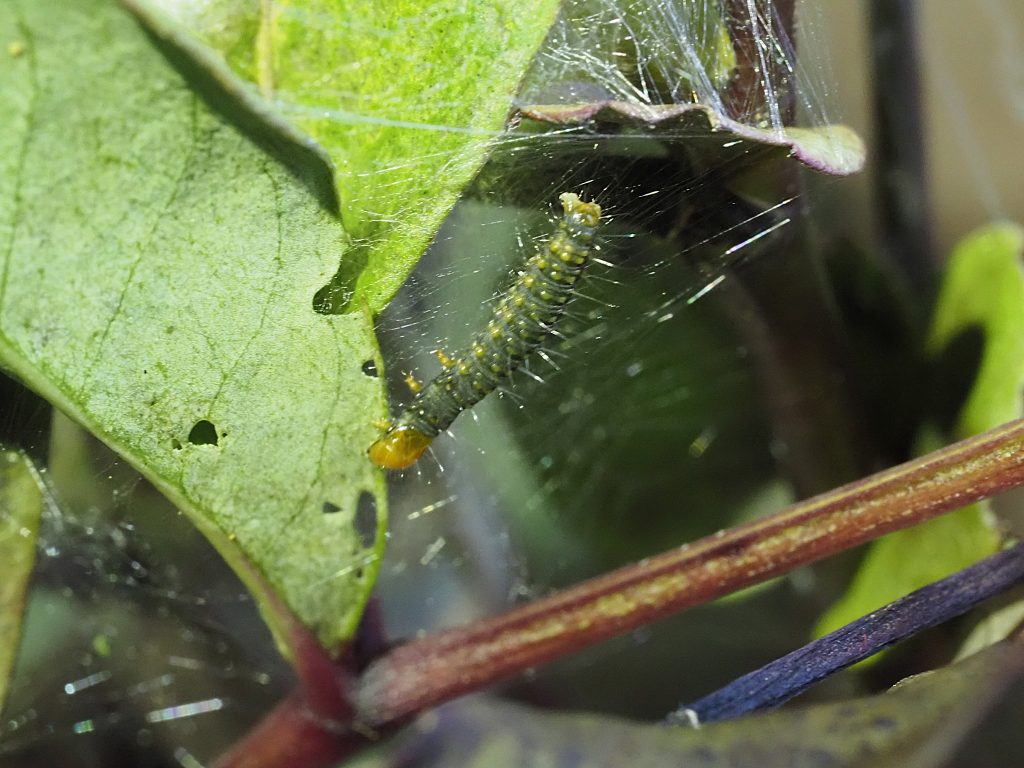
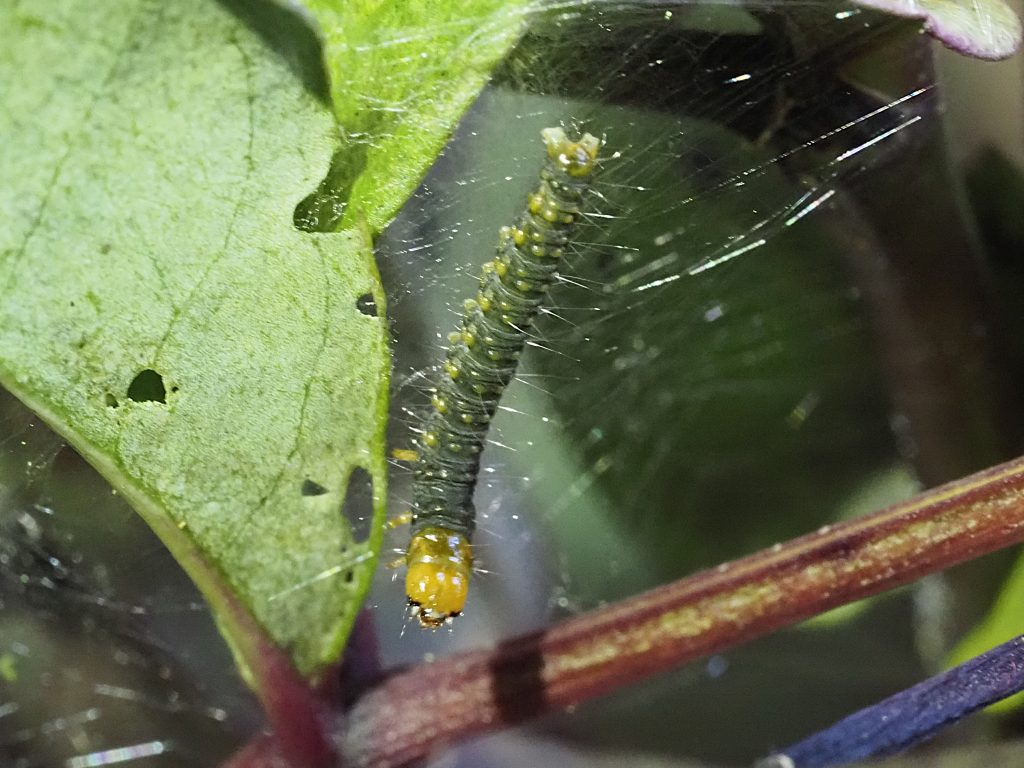
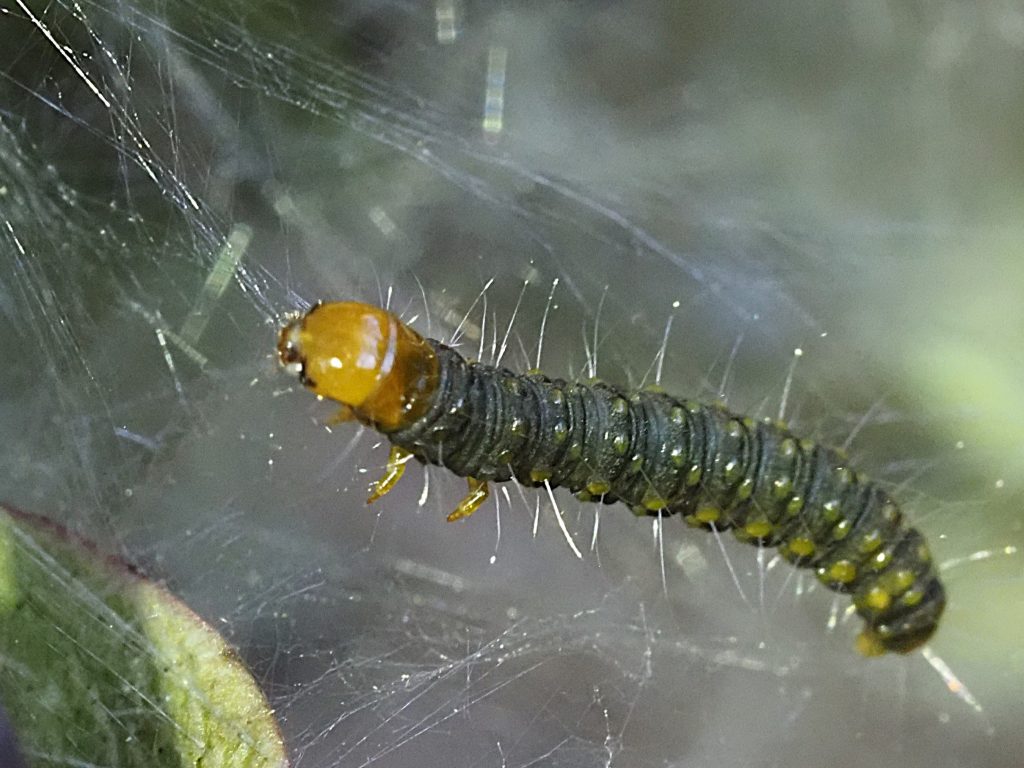
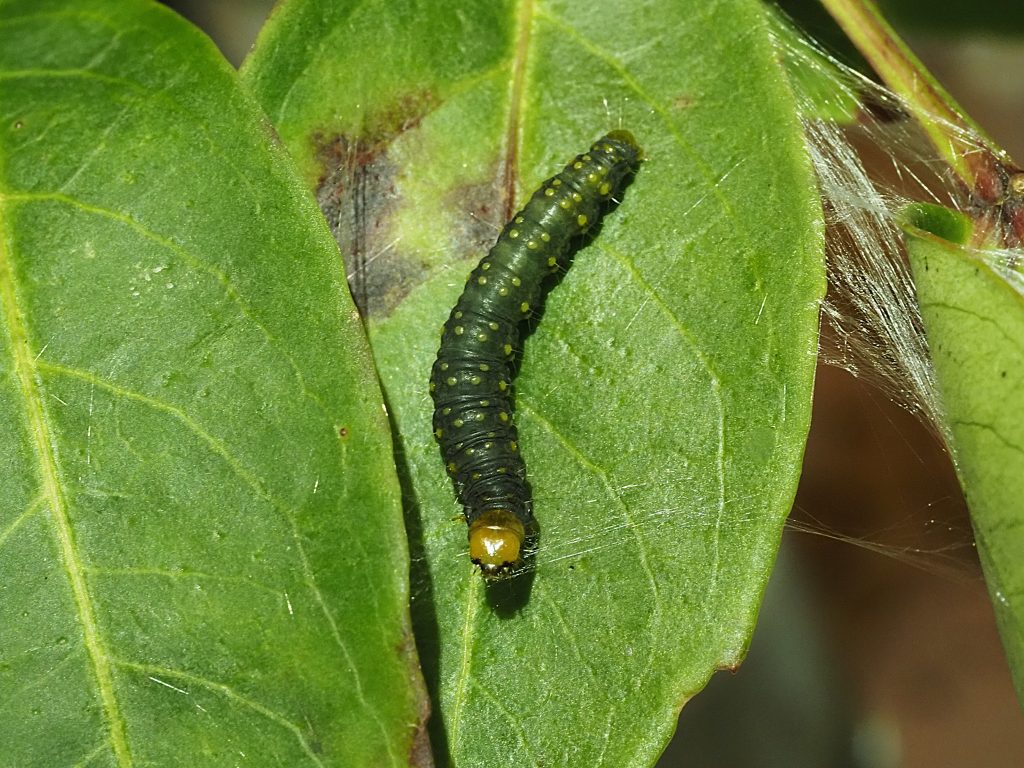
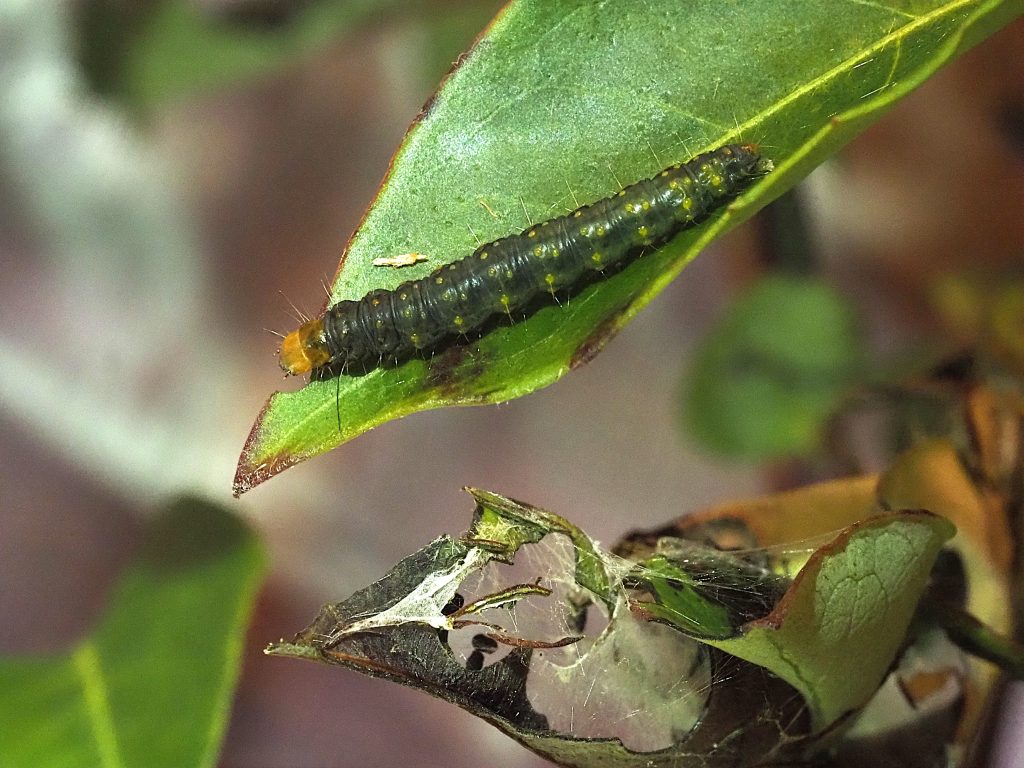
The early instar caterpillars are yellow-green, covered with sparse hairs. They live in a communal shelter of foodplant leaves webbed together. In the final instar they move about more often feeding away from the shelter but on a leaf connected by web.
We have found their shelters with caterpillars in the wild throughout the winter here and at Ebor. They appear to be quite common. In captivity they develop slowly probably due to the cold.
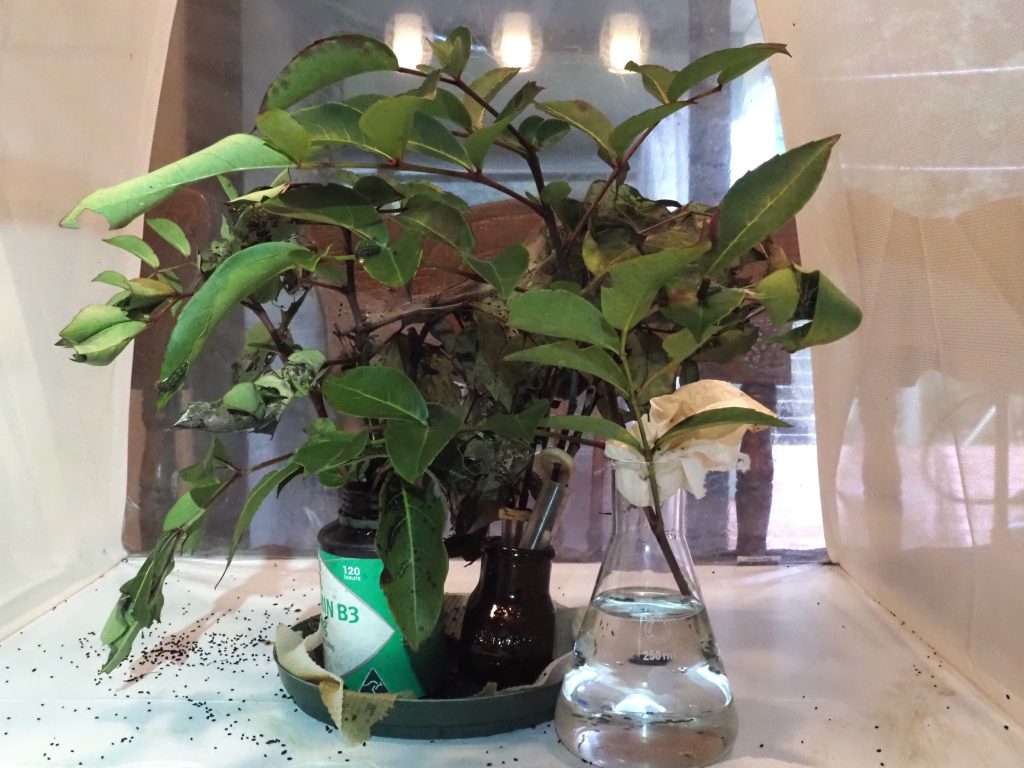
The first of the following photos is of the original shelter cut from the tree and brought inside on 2 June. Fresh leaves were added to the container every few days which they soon incorporated into an existing shelter with web. Old leaves had to be left because they were all webbed together. The caterpillars emerged from the shelter each morning to make webs to new leaves.
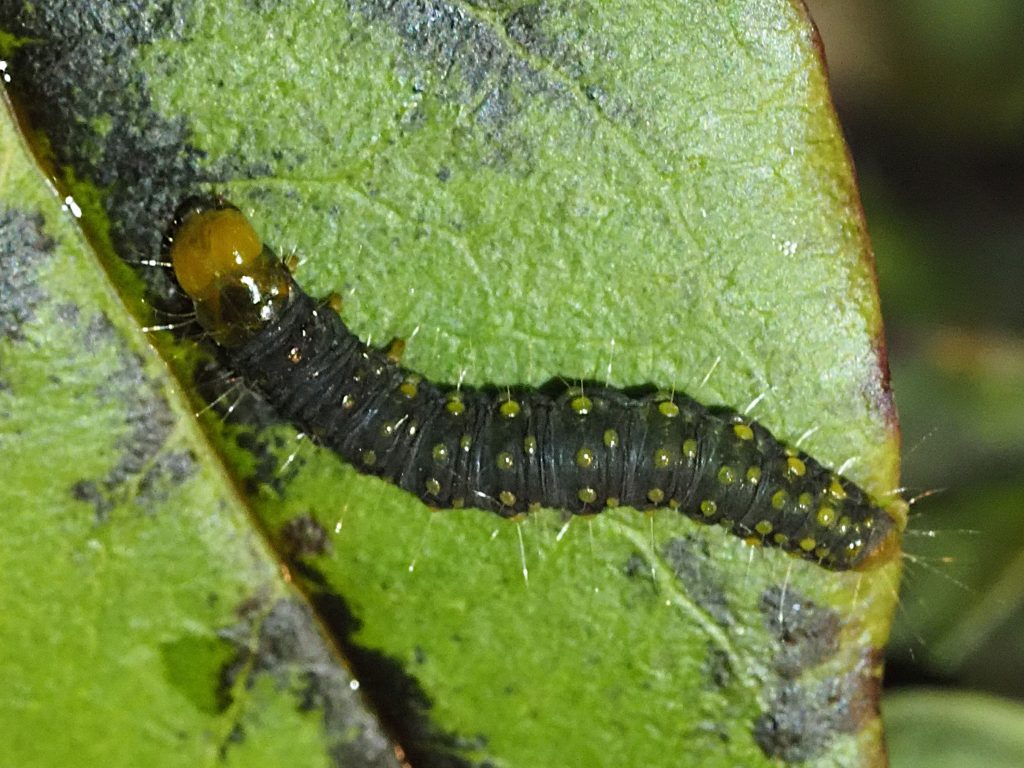
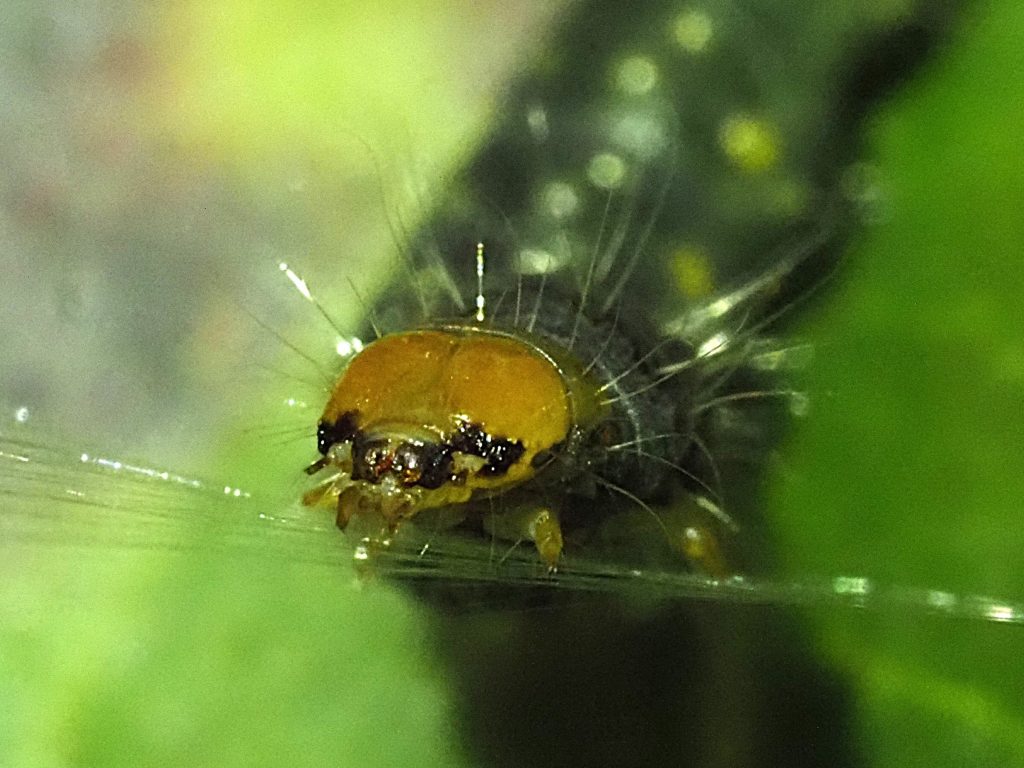
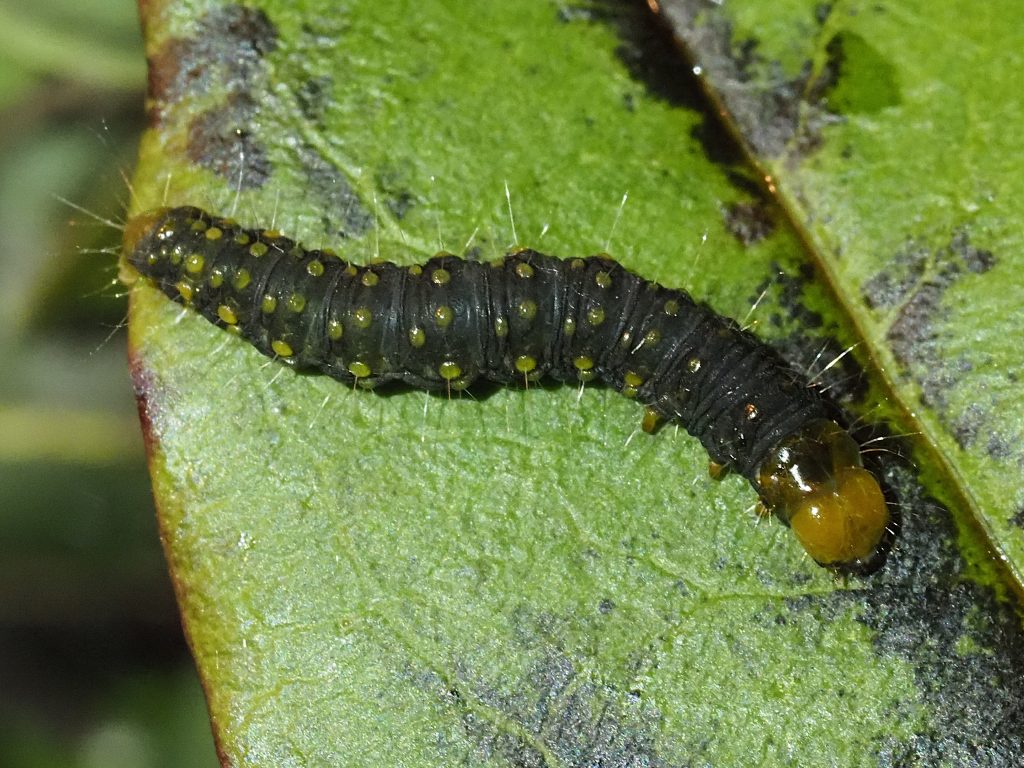
In their final instar caterpillars are black with green warty spots. In this instar they measure 3cm. They now moved around outside the shelters more.
On 22 June they were pupating in the shelters.




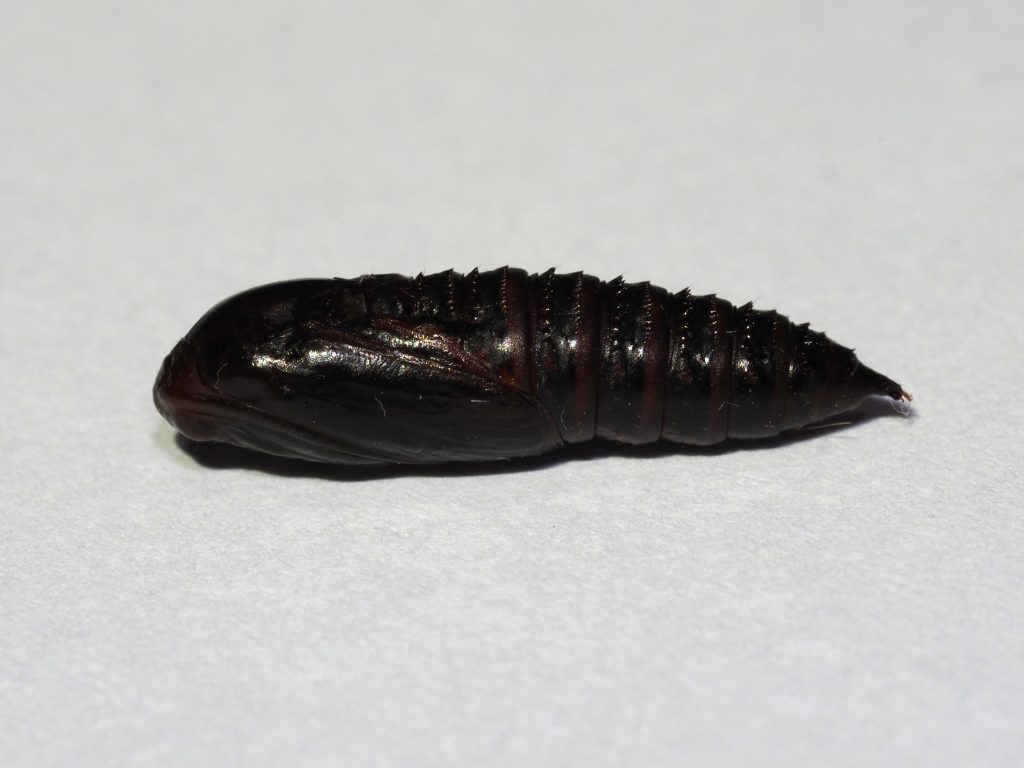
Pupa
Some caterpillars pupated within the shelter; others crawled off the leaves and pupated on the floor or sides of the container either under paper towelling or webbing the material sides.
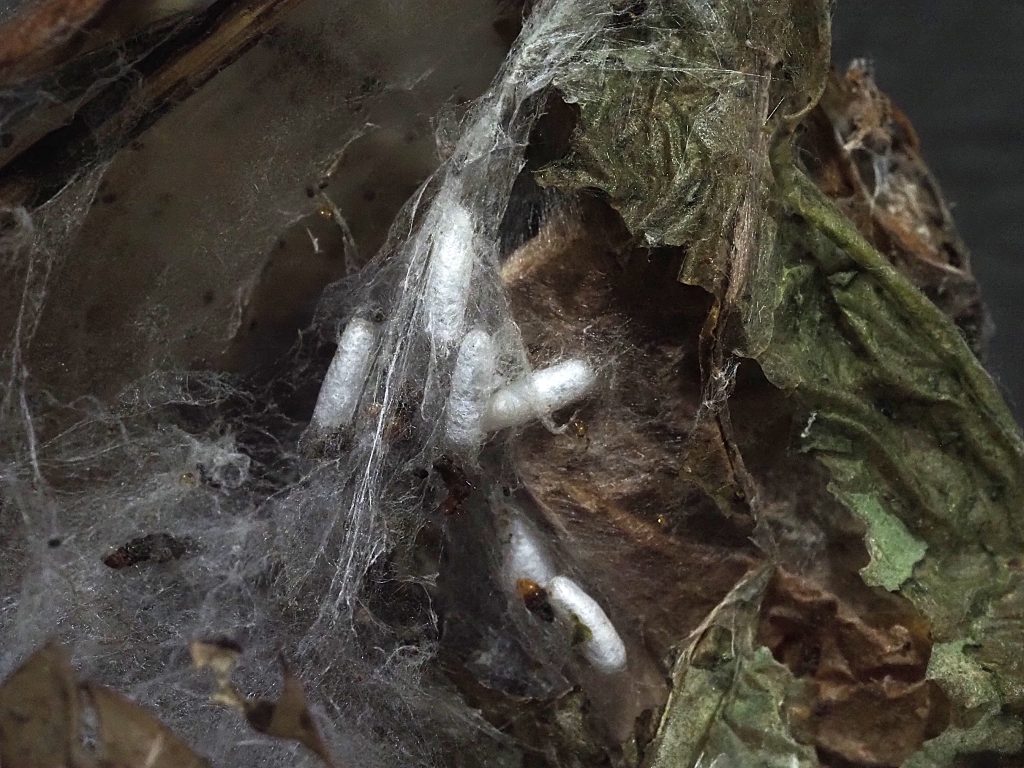
The cigar-shaped cocoons of white silk were within the original shelter. Possibly parasites?
Larval Foodplants
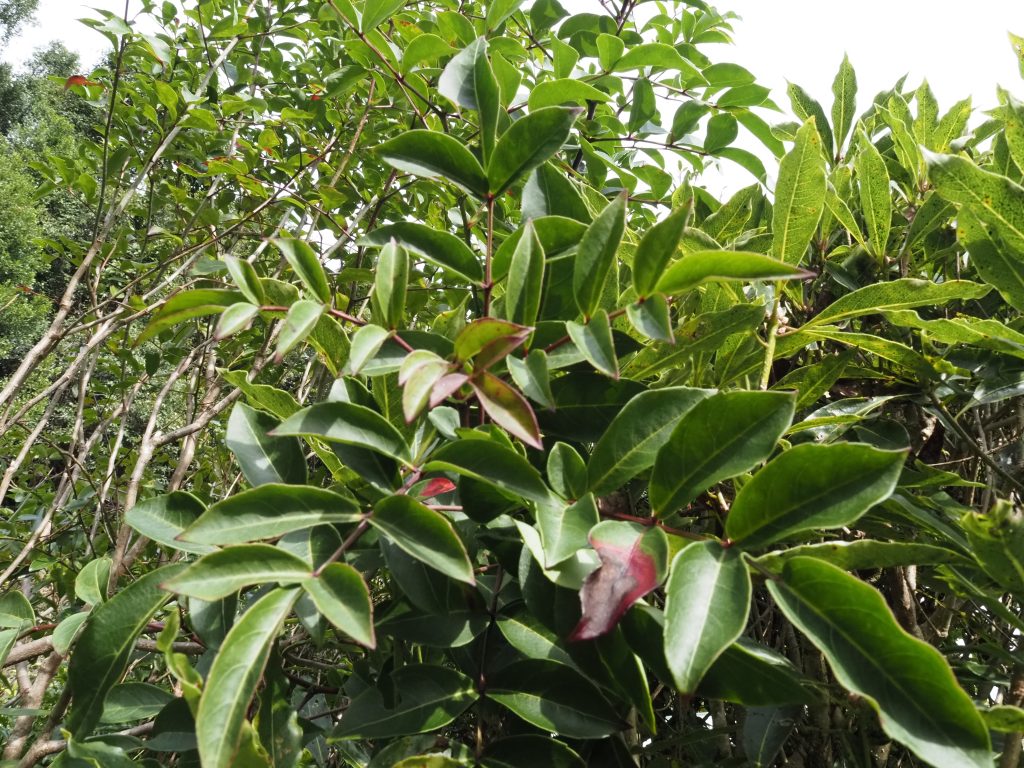
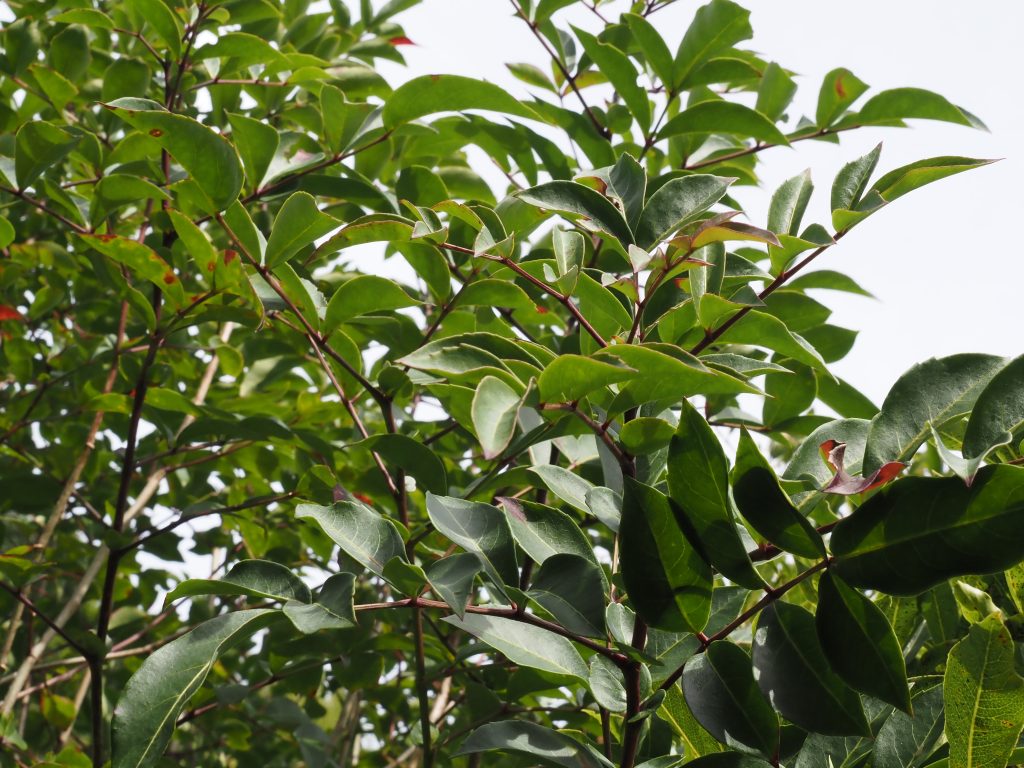
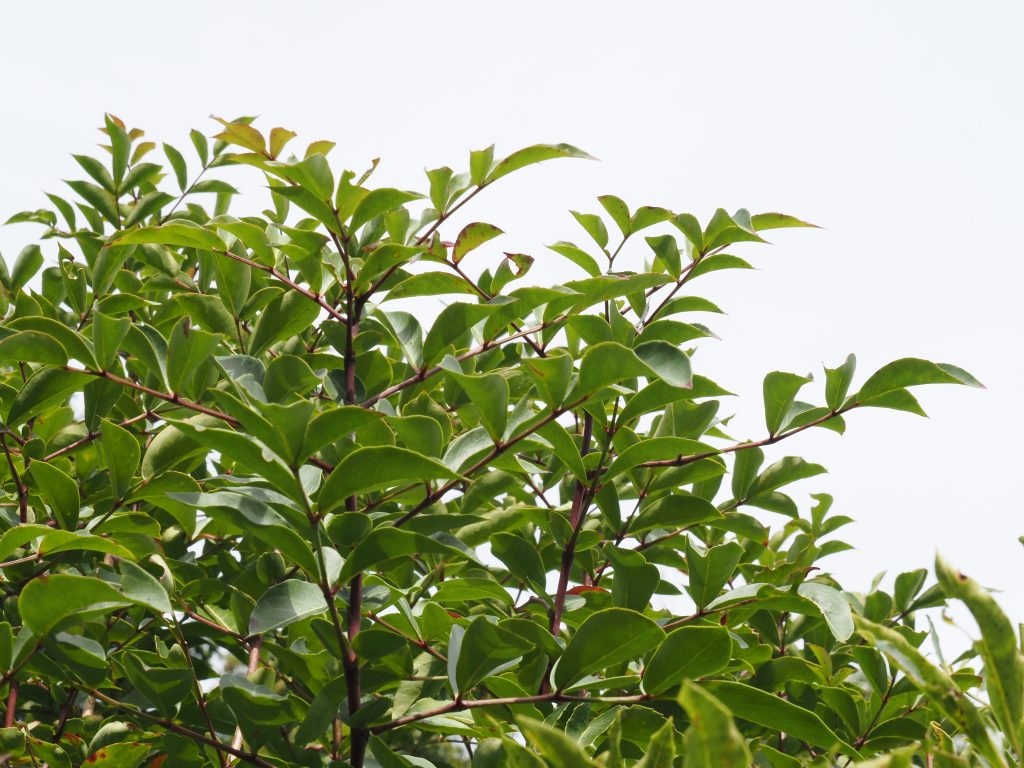
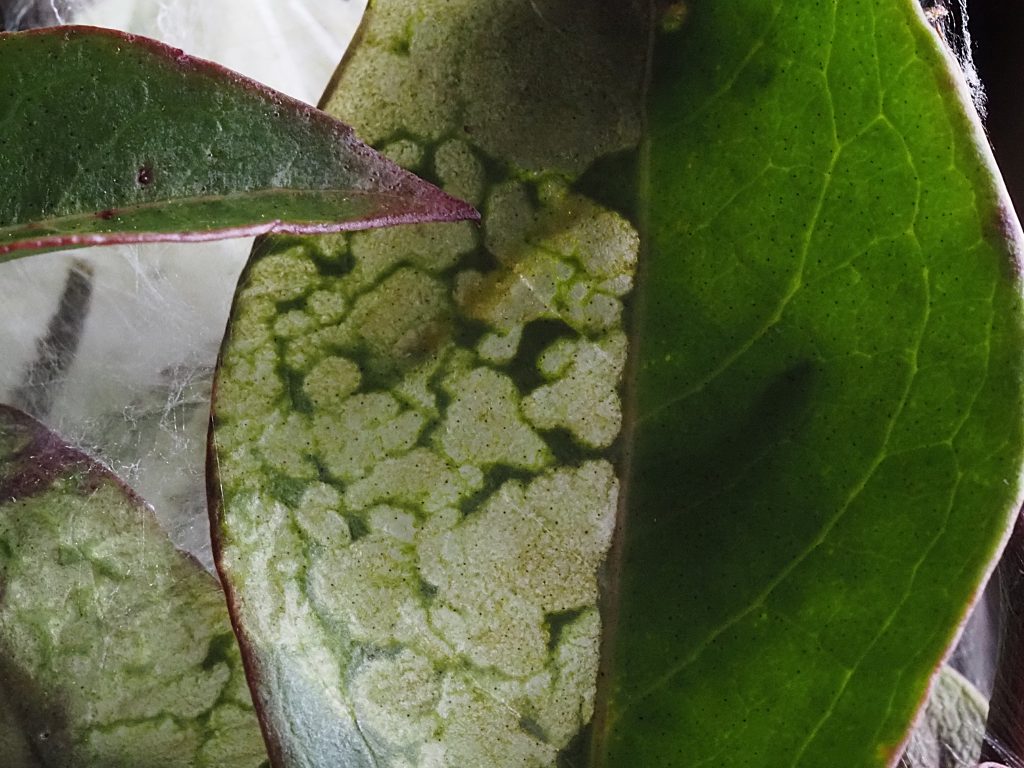
We found larvae here feeding on Polyscias sambucifolia, Elderberry panax, grazing communally on the leaf surface in a webbed shelter of leaves.