We acknowledge the Traditional Owners and Custodians of the lands on which we live and pay our respects to Indigenous Elders past, present and emerging.
We are citizen scientists who care for nature generally, with a prime interest in Lepidoptera and Rainforests.
Our objective in establishing this website is to record the moths and their caterpillars that we sight here on our rural property on the Dorrigo Plateau, NSW. There are 82 known Australian Moth Families, we are unsure how many we may observe here on our property. In addition to securing photographs of the live moths we observe here, we plan to document information of interest we observe about life histories.
In our childhood years our interest in lepidoptera began as collectors. Later we became conservationists and no longer held any interest in killing moths or building pinned collections. Collections of pinned specimens have been necessary to assist scientific study and continue to be important for Museums and scientific organisations today. Rarely is this process needed now for citizen scientists. A collection of digital photographs enables long term retention without risk of damage to specimens or loss of colour over time and negates the need to kill an insect serving a purpose within nature. Our goal is to do all we can to assist species to thrive and maintain healthy populations.
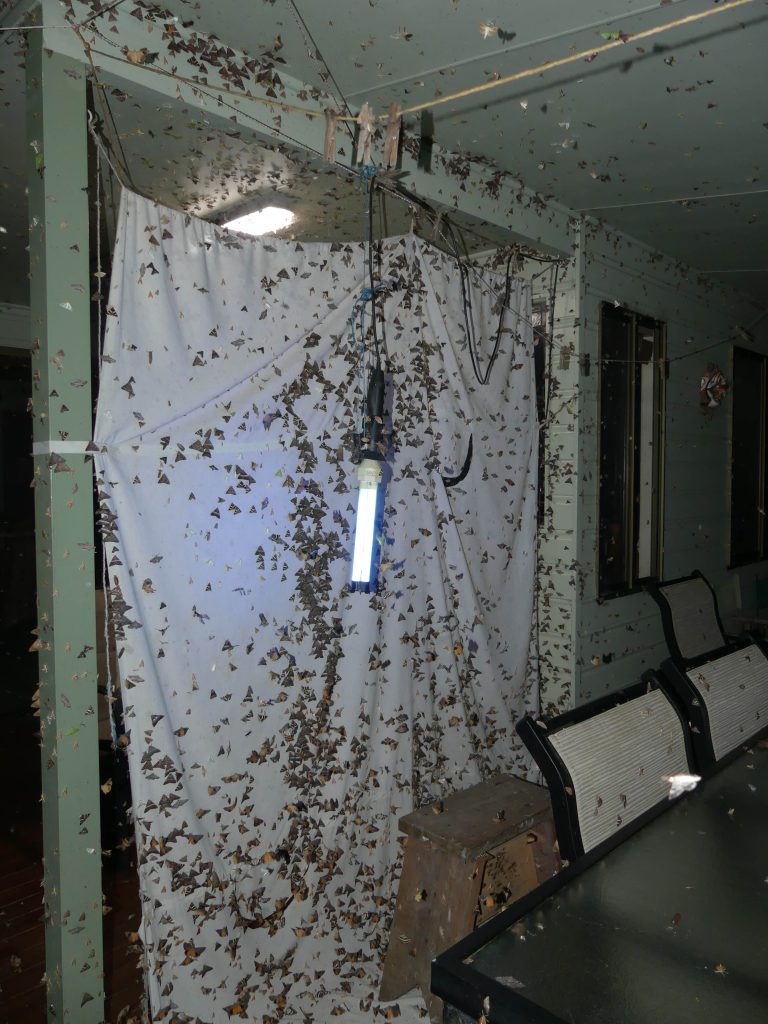
When using our moth light we ensure it is switched off before dawn to encourage visiting moths to take flight again away from our moth sheet so they don’t become breakfast for the birds. This risk is removed if using a moth trap where moths securely shelter unharmed and can later be photographed in daylight prior to release next evening.
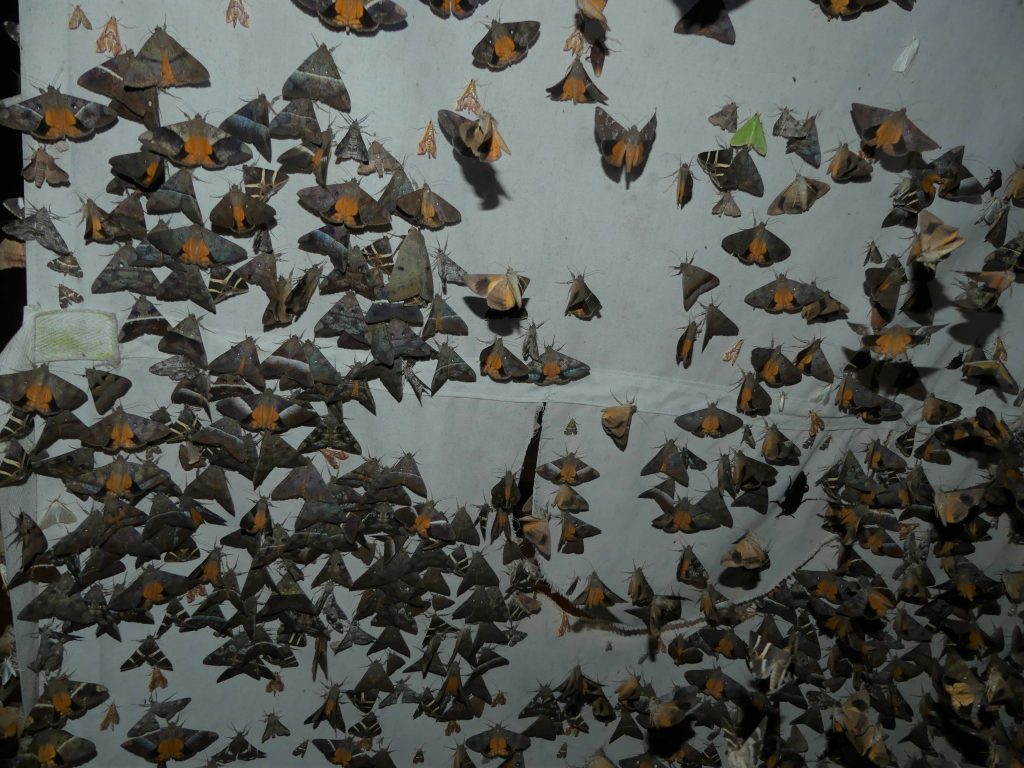
We also have an interest in learning as much as we can about the first three stages of a moth’s life cycle (egg, caterpillar and pupa/chrysalis). Therefore learning larval food plants is key to advancing our knowledge of species. Gaining this knowledge also gives us the ability to plant more foodplants on our property to assist species conservation..
We have been photographing Dorrigo Plateau Lepidoptera since 2004 and have a large database of photographs, not all yet identified to species. Since joining iNaturalist we are continually submitting new photographs and working through our large database in an attempt to ID all that we have. Learning that we have some uncommon and unnamed species, adds even more interest to our project.
We hope that our efforts provide some assistance to the overall knowledge of Australian Moths.
Our Moth website is partnered by a property Butterfly website recording Butterflies seen and often breeding here;
http://butterfliesdorrigo.weebly.com/
Our property
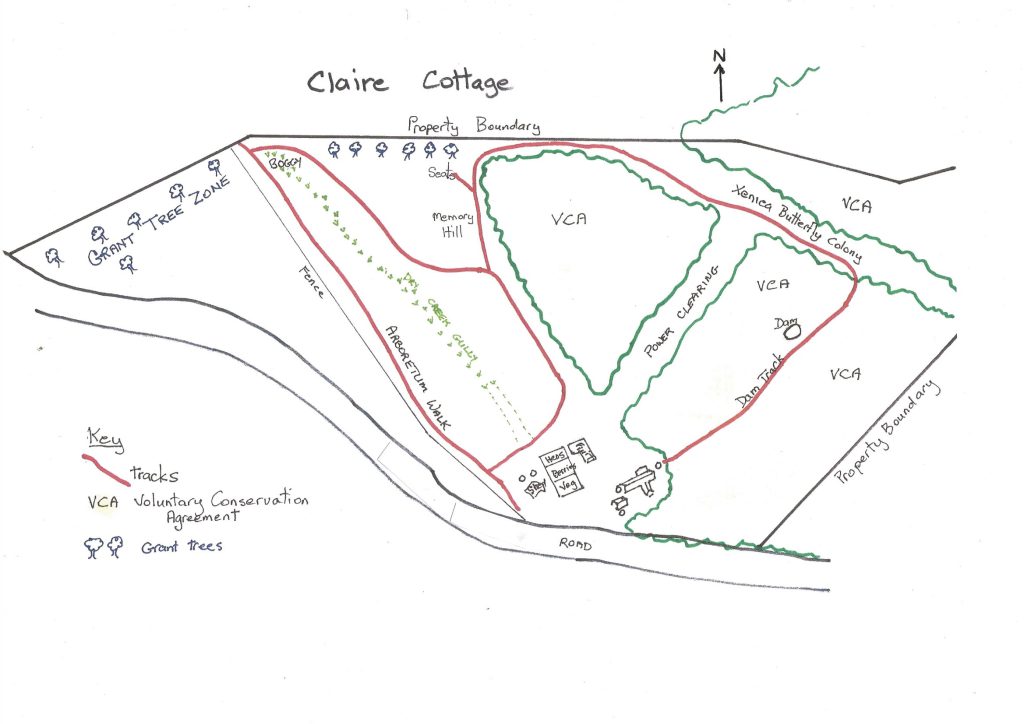
We purchased Claire Cottage in late 2004 and moved here in late June 2005.
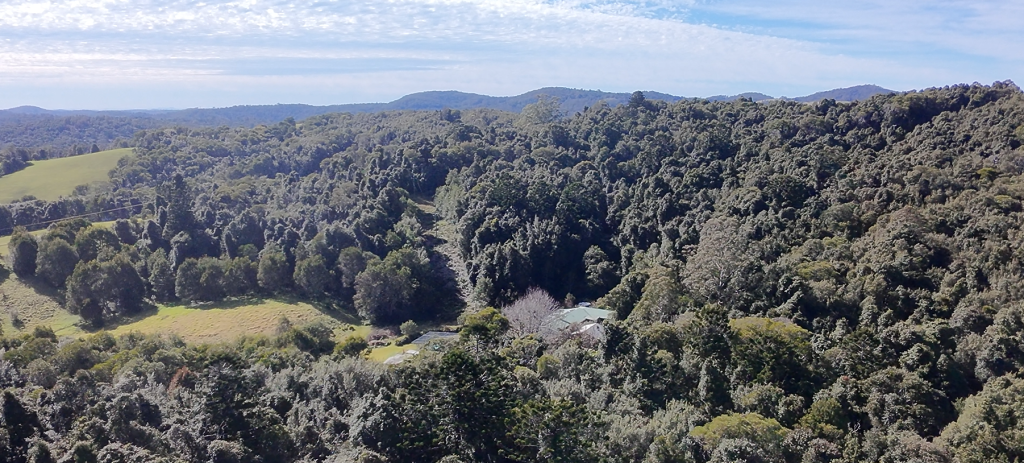
Our hilly 8 hectares (20 acres) property sits at 790 – 840m ASL on the Dorrigo Plateau opposite a small National Park which is part of the the World Heritage-listed Gondwana Rainforests.
Temperature ranges from -5°C to 30°C with frost in remaining open areas in winter. Average annual rainfall over the last 50 years is 1,950mm. Water drains from surrounding hills to flow down a normally dry creek gully following heavy rains.
Habitats
Different environments on the property support a diverse number of wildlife and invertebrate species.
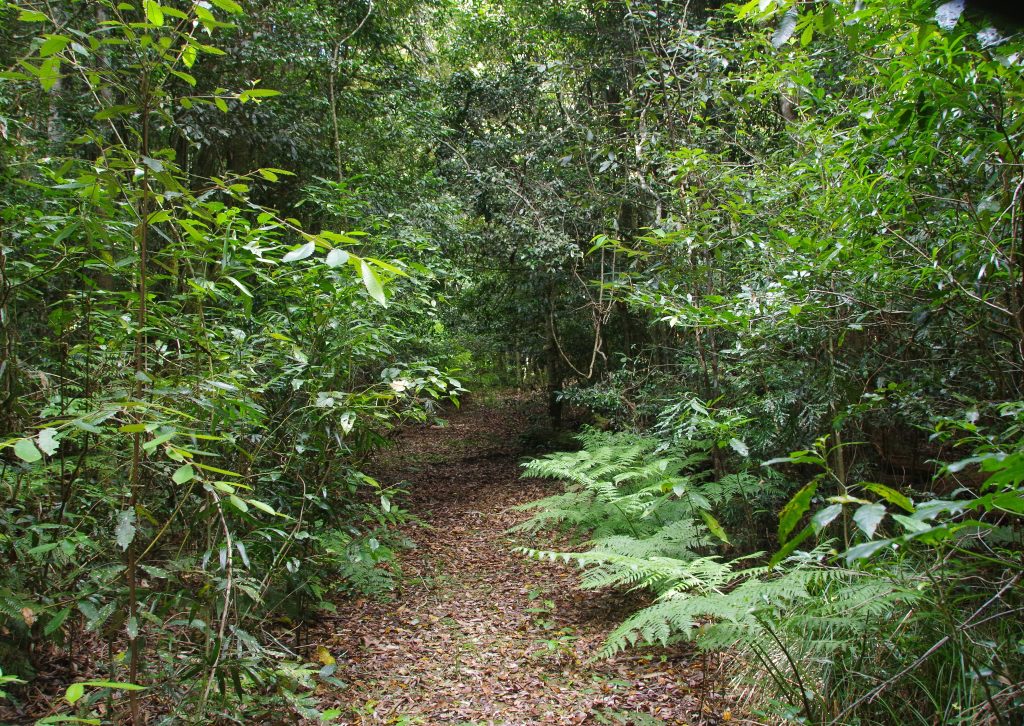
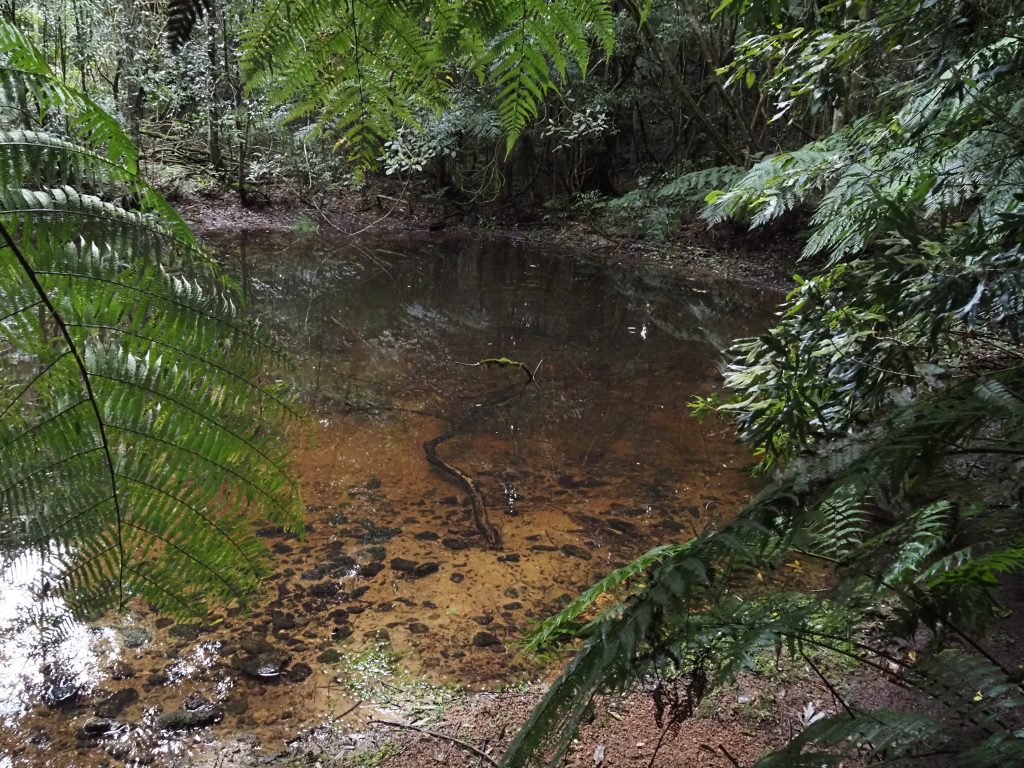
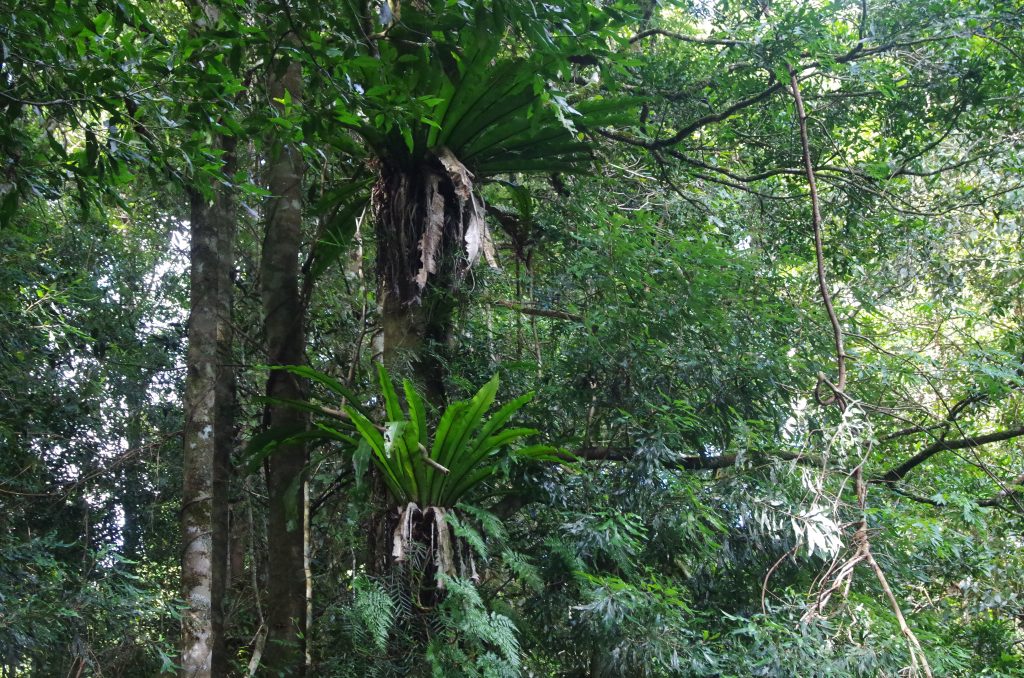
Warm temperate rainforest covers half of the property with small areas of subtropical rainforest scattered in our forest including around a former dam, now a pond which supports an abundance of aquatic life. In 2017 the NSW Office of Environment & Heritage approved a Voluntary Conservation Agreement (VCA) on this 10 acre rainforest remnant to protect it in perpetuity.
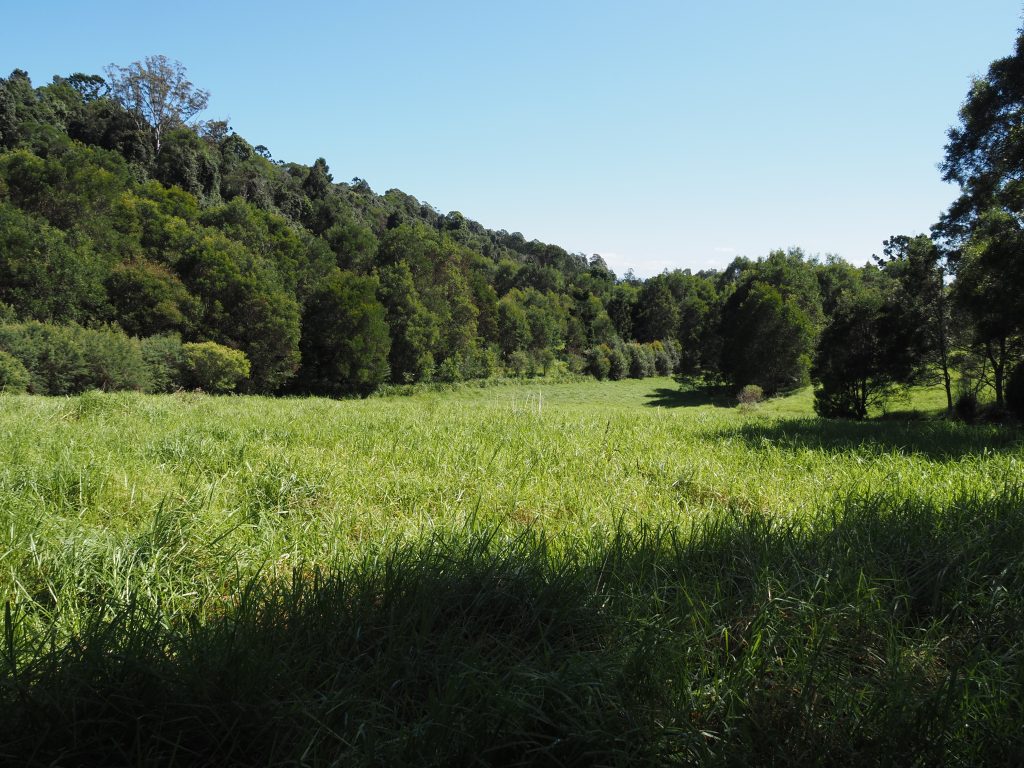
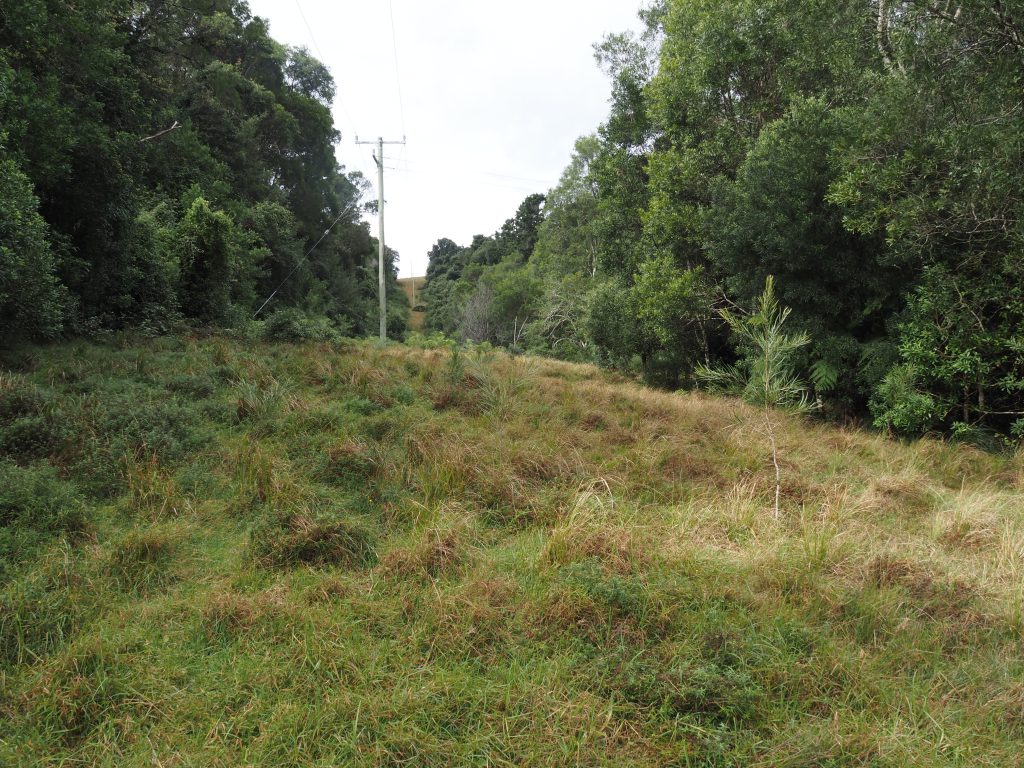
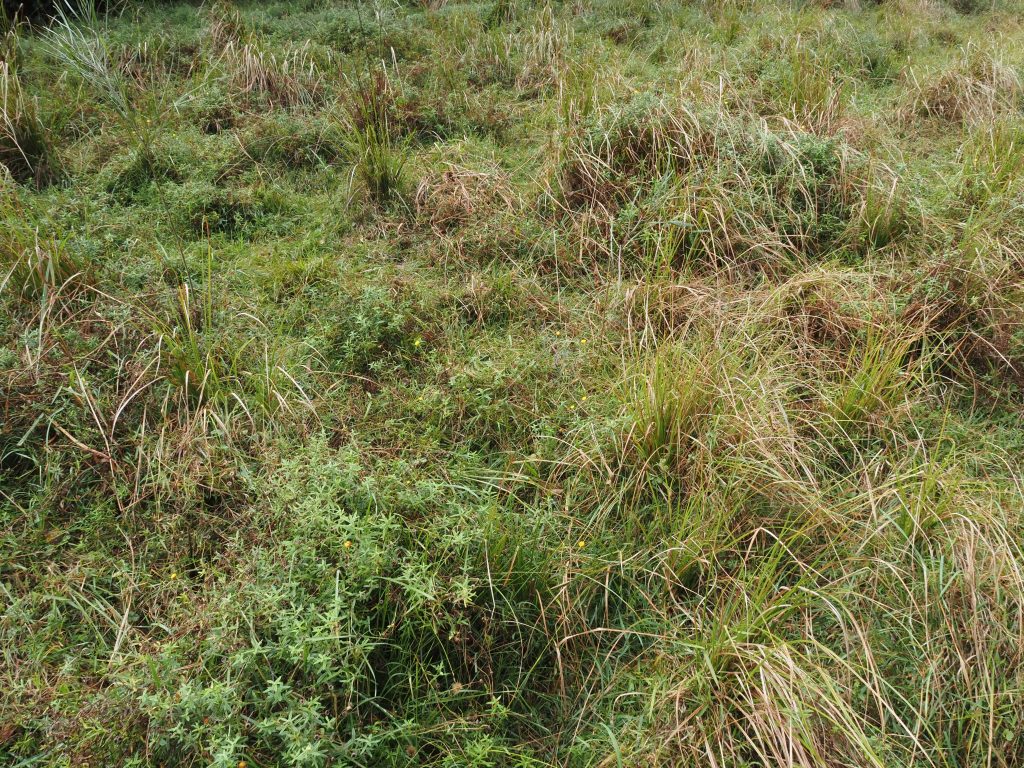
Shrinking areas of kikuyu grassland in our two ex-paddocks (totaling 10 acres) provide flight corridors for butterflies and moths. They also support those species whose caterpillars feed on grasses and the maturing edge of the developing rainforest. Clearings under two power lines also provide lepidoptera flight corridors and breeding zones for grass feeding lepidoptera.
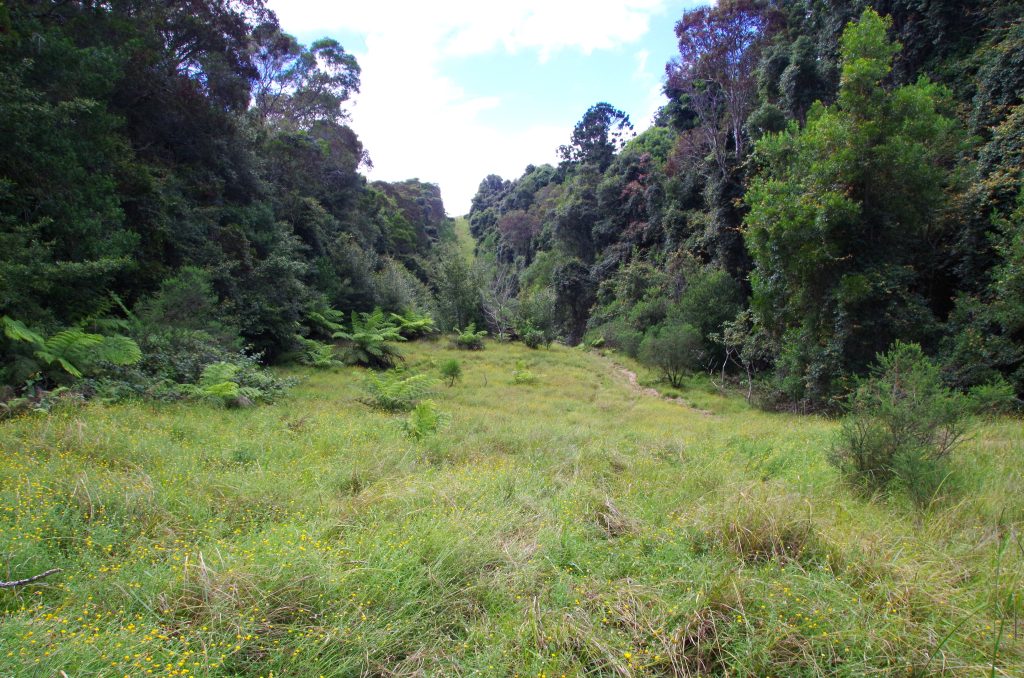
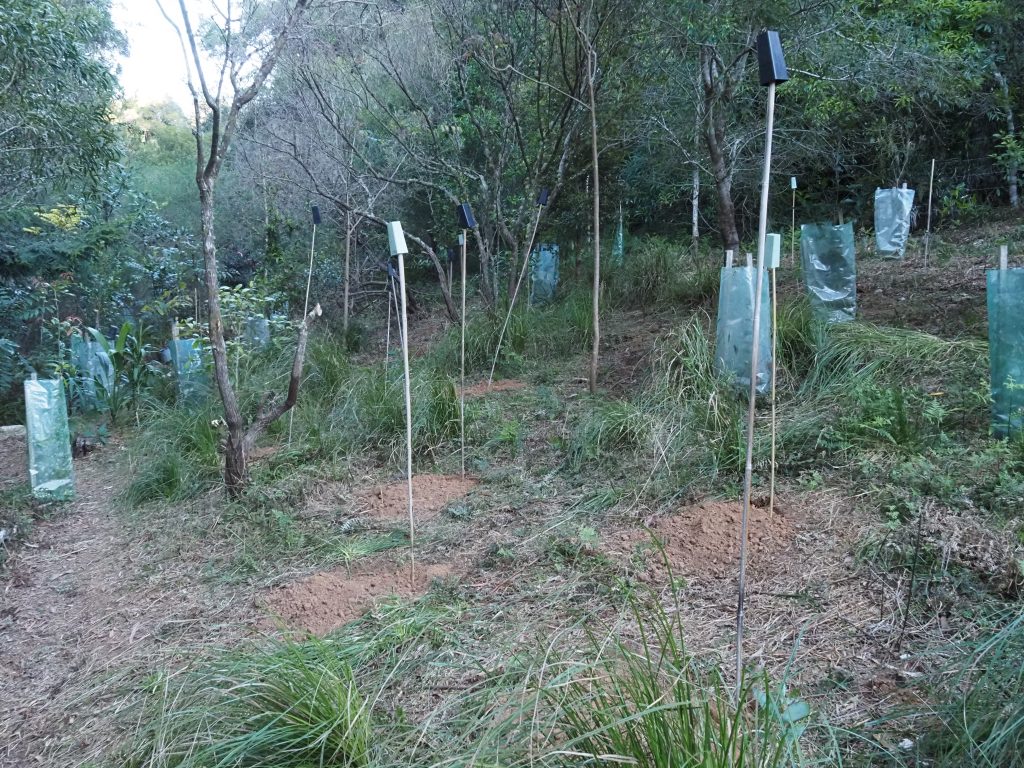
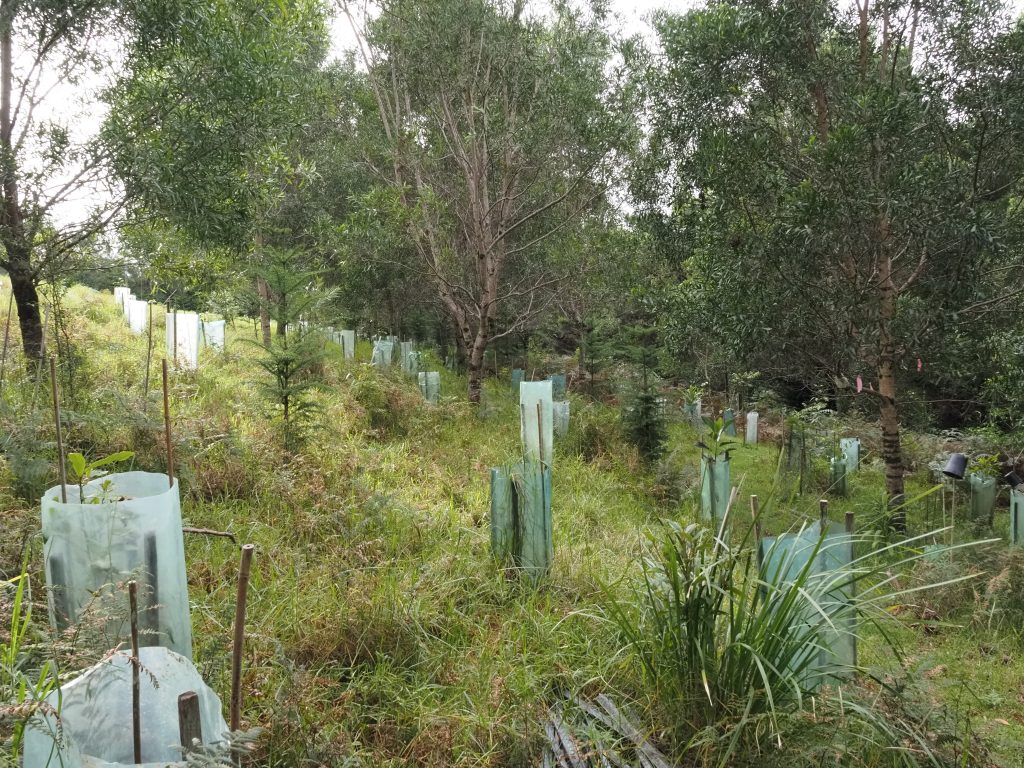
We are revegetating subtropical and warm temperate rainforest on approximately 1.5 – 2 hectares (4 – 5 acres) of former kikuyu covered paddocks. Frost problems are diminishing but remain where there is no tree cover which means when planting we first need to plant frost hardy pioneer species which later protect more vulnerable rainforest species against the severe cold on winter nights. Paths are maintained through the planted areas to assist with maintenance and allow viewing of the emerging young rainforest. As flora develops so the number and diversity of wildlife species increases. The marsupial wildlife will in turn help to kill off the kikuyu initially under the developing trees, no human grass removal activity is required.
We commenced developing a Rainforest Arboretum in the larger of our two kikuyu paddocks in 2007. We desired to create a natural rainforest atmosphere rather than any form of plantation. At that time both paddocks were still treeless and were often prone to heavy frost in winter and strong winds. The previous owner ran cattle in both paddocks but with no cattle since June 2005 self-seeding frost hardy Acacia melanoxylon began appearing in some areas of the tall kikuyu. These quickly became key pioneer plants in converting the area to rainforest. Over the next 2-3 years, we began planting other hardy rainforest plants. Frost protectors were also used for individual plants in wintertime. After about 10 years these were no longer needed as the developing arboretum held frost at bay, even on the coldest winter nights.
When reflecting on those self seeding Acacia melanoxylon we took no action to protect them hidden in thick kikuyu within the paddock. Today having created large areas of rainforest we have considerable numbers of pademelons and wallabies visiting every night and young plants can quickly disappear if not protected by plant sleeves. Even in nature change is constant.
The Arboretum today (mid 2026) has greatly expanded with many trees exceeding 20 metres in height. It consists predominately of warm temperate and subtropical rainforest but has a number of tropical rainforest trees from the Atherton Tablelands, FNQ., which appear to thrive in the rich Dorrigo volcanic soils. Frost now on our property is minimal, the tree cover warms the cold winter night air sufficiently to preserve a warm shadow around the reforested areas which also provides lots of areas for native animals to feed on the shrinking kikuyu.
In our smaller second paddock the first plantings were made in 2016 when we received a 10-year grant through Jaliigirr Biodiversity Alliance Inc. to plant a rainforest wildlife corridor connecting the local NSW National Park with our remnant rainforests which are covered by a Voluntary Conservation Agreement. We commenced planting in November 2016 with cold hardy local pioneer species planted along the western boundary of our smallest paddock. This not only provided the link between two areas of rainforest but served as a wind break along much of our western boundary. Two years later rainforest species were planted amongst the cold hardy pioneer plantings. We planted over 900 plants in what turned out to be drought conditions for the Plateau. With no water source on our western boundary we managed to keep our losses to well under 5% by watering the young plants using watering cans. Much of the rest of this former paddock has since been planted with rainforest species. We estimate we have planted in excess of 3,500 plants since starting this rainforest project. Today a considerable amount of self-seeding is happening as birds return to our property in considerable numbers.
Many of the rainforest species planted are food plants for moths (and butterflies) with the number of species coming to our moth light having increased over the years. We remain excited about what Lepidoptera finds might be ahead of us. We have in excess of 190 native tree species now growing on our property and are hopeful they might attract new Lepidoptera species also.