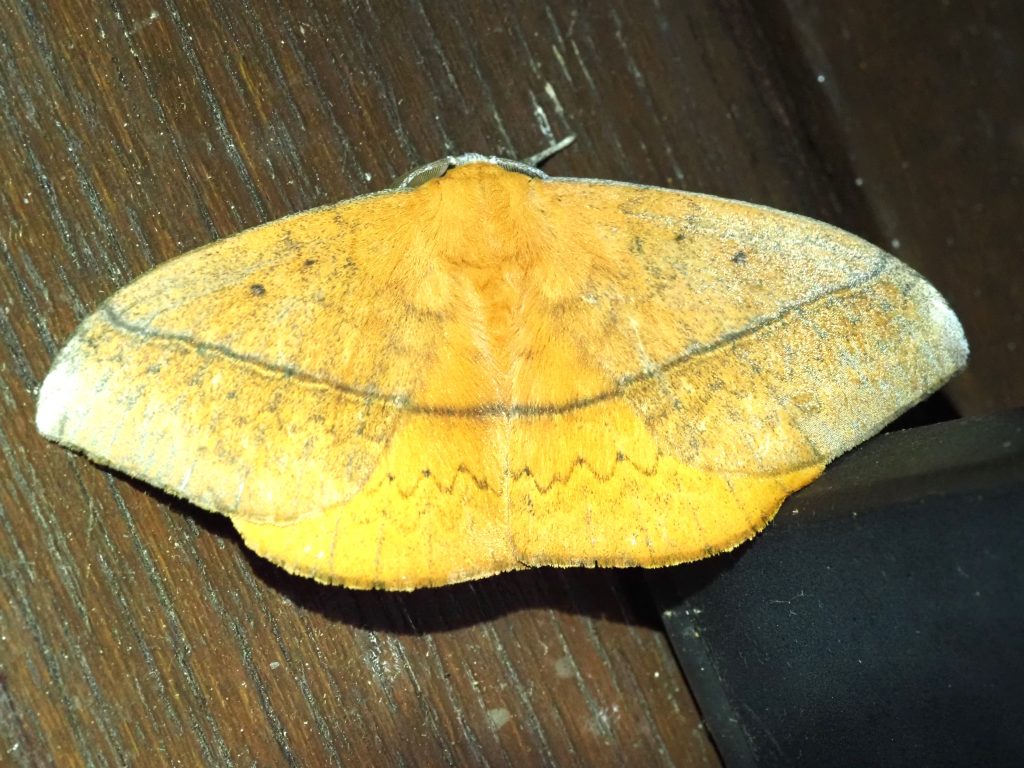
Anthela excellens Grey-headed Anthelid
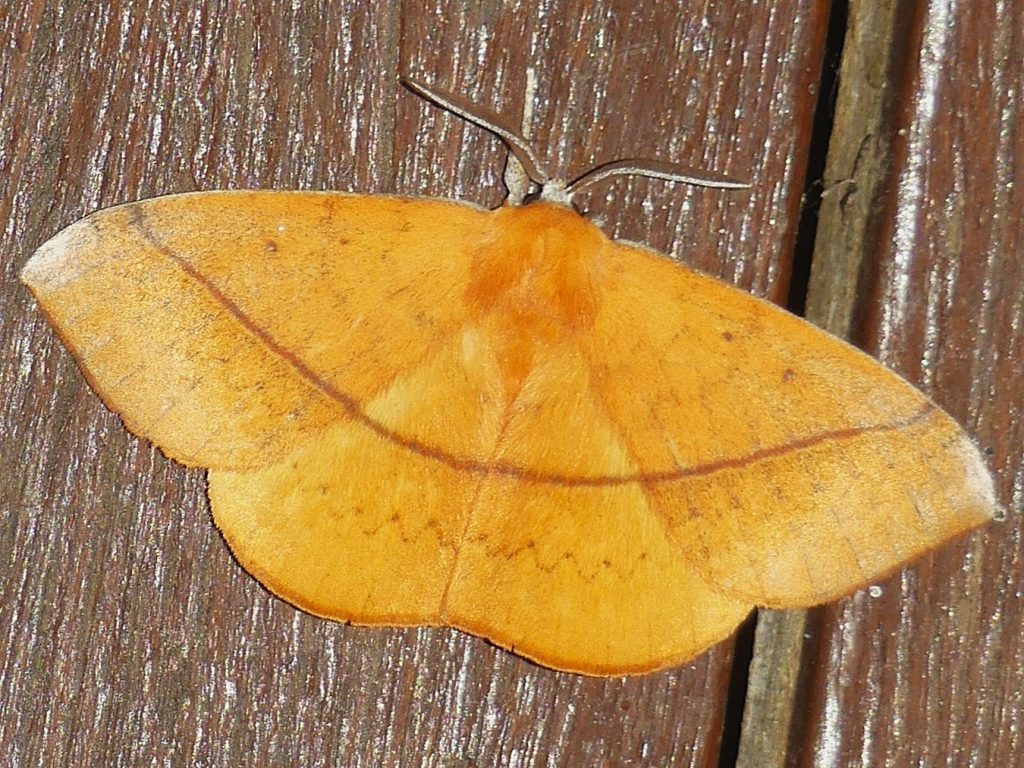
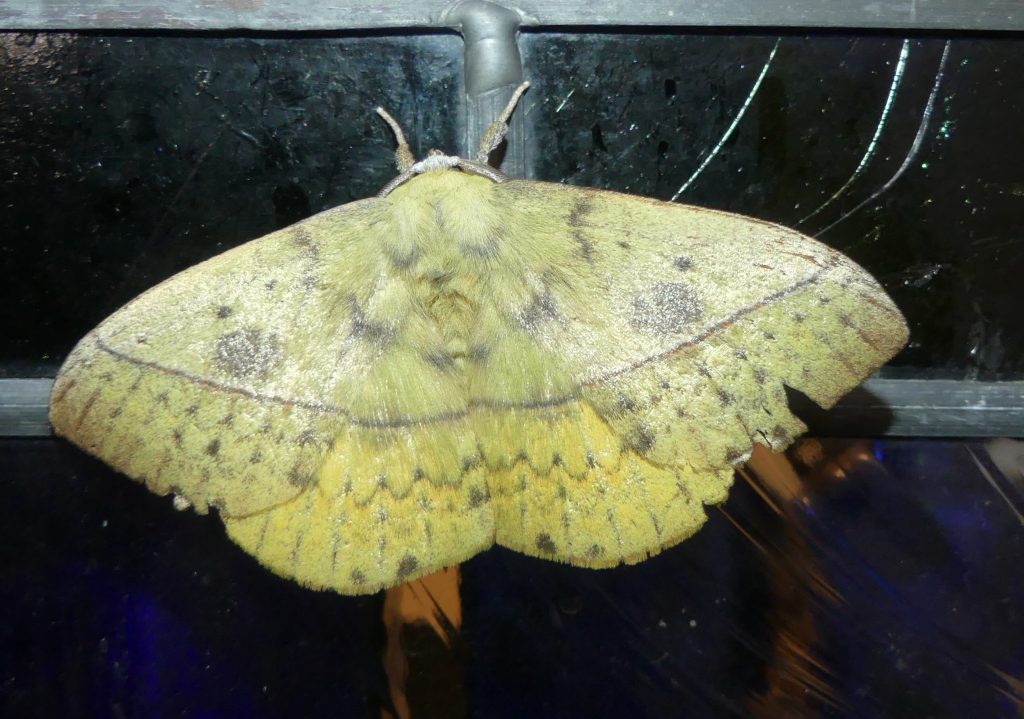
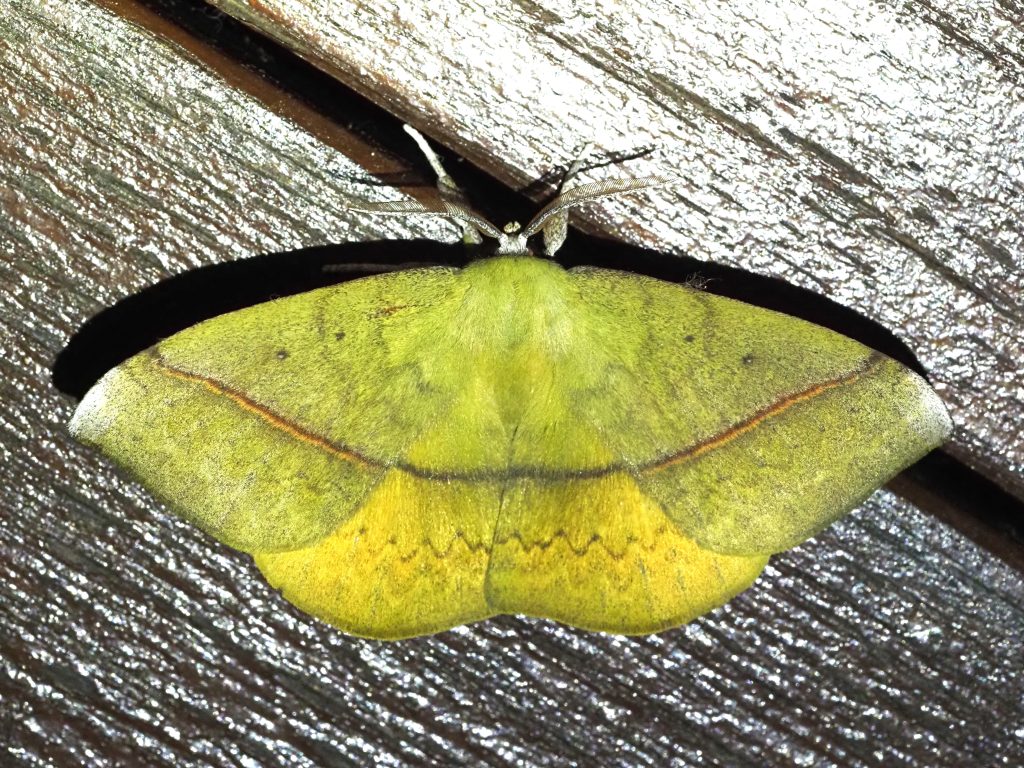
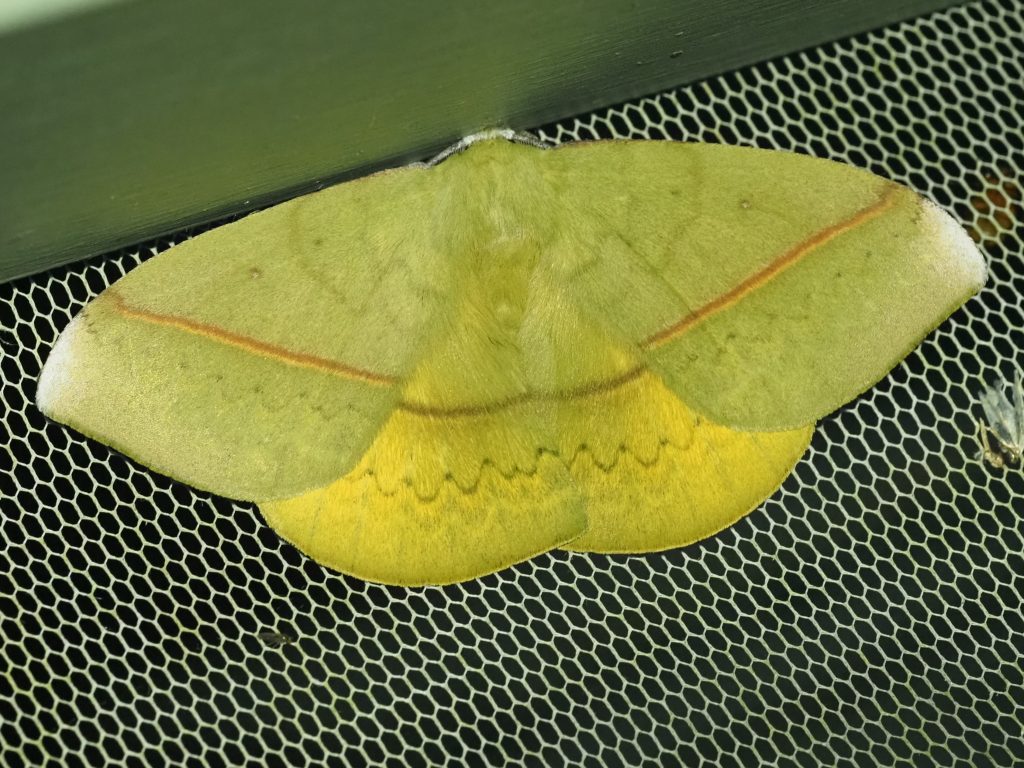
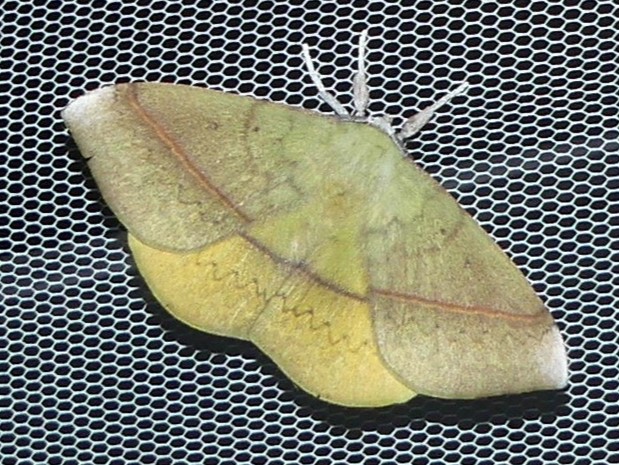
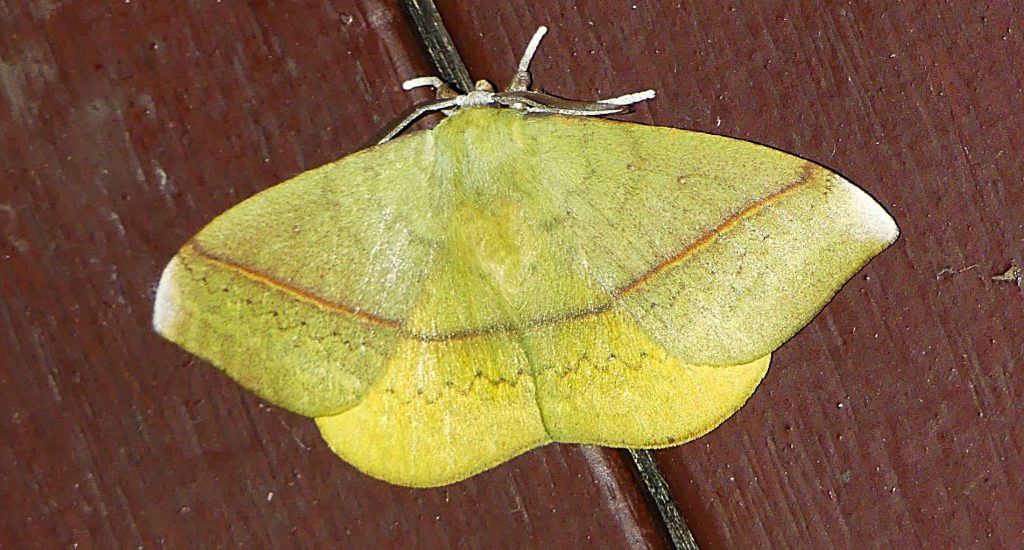
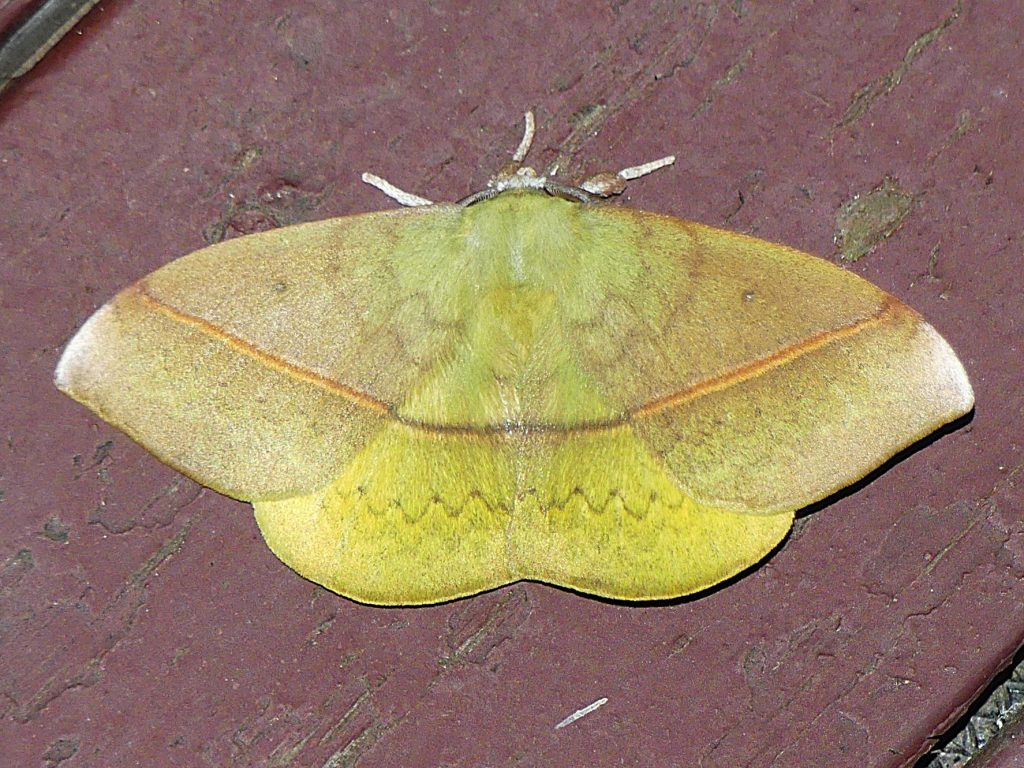
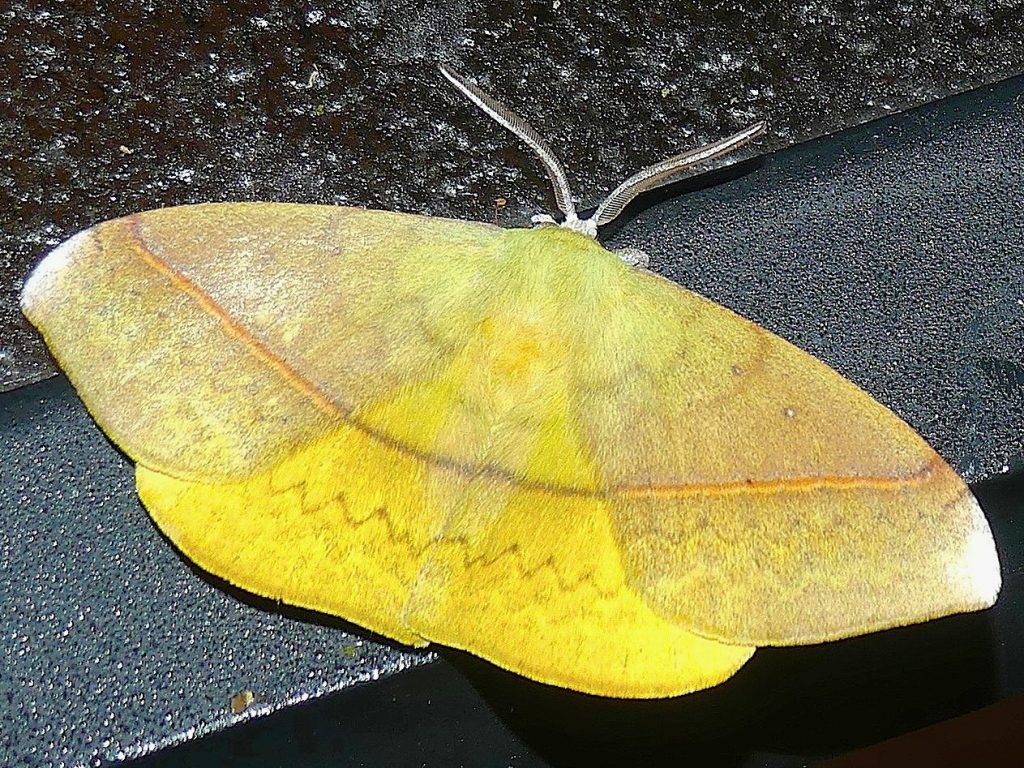
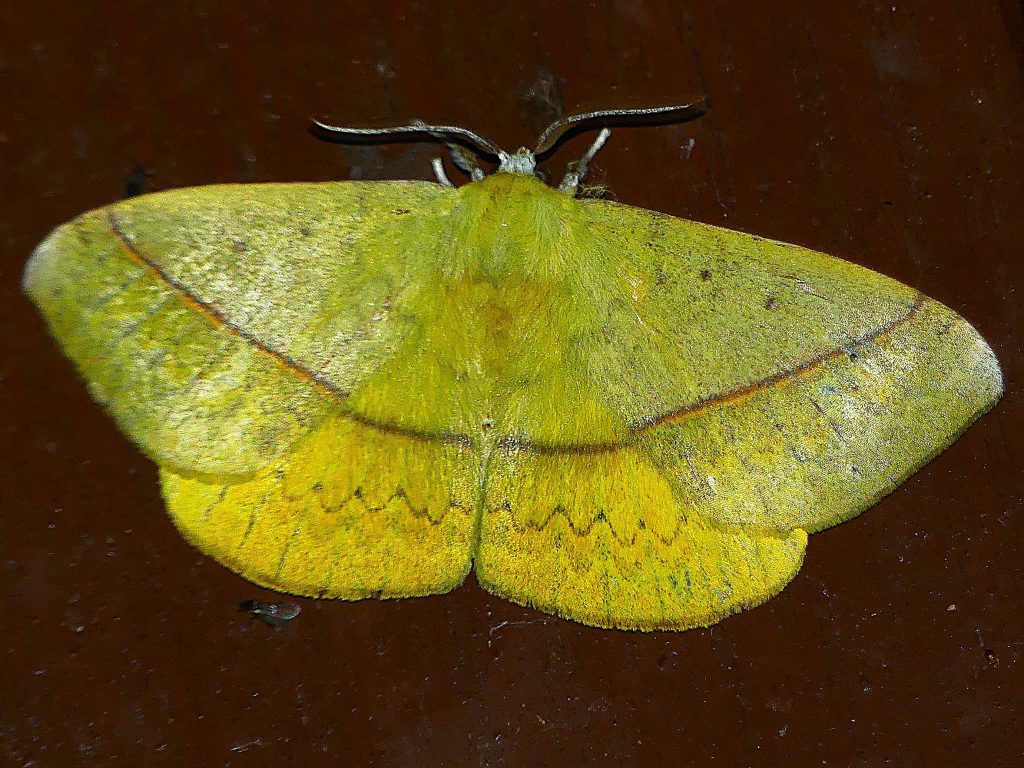
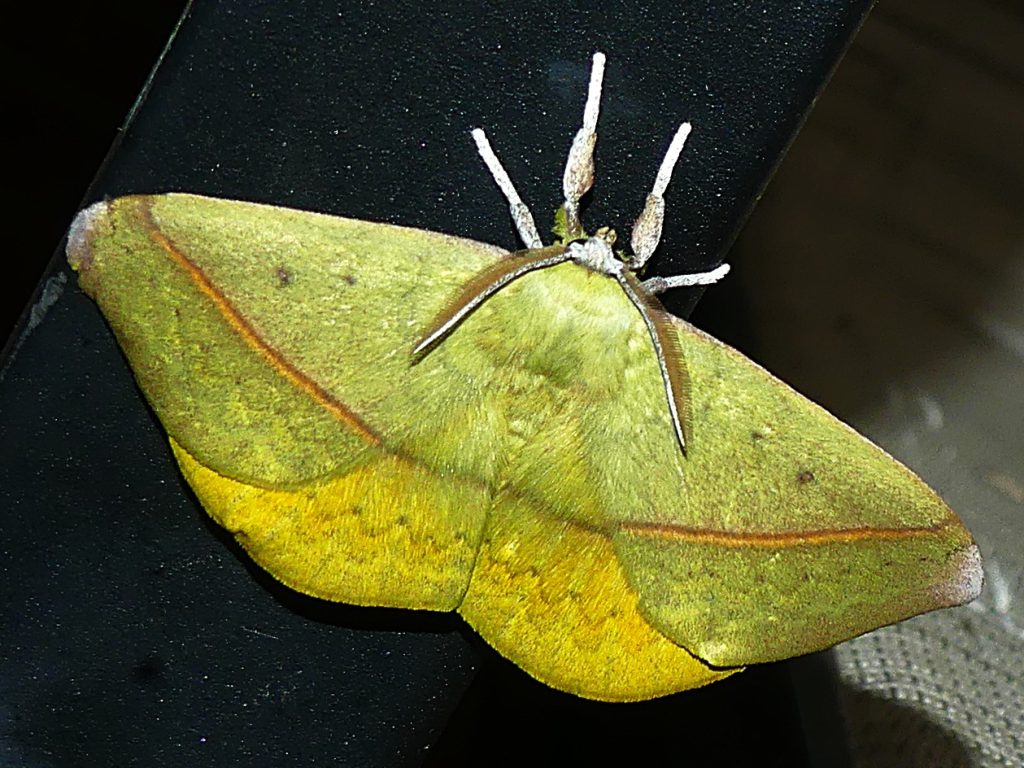
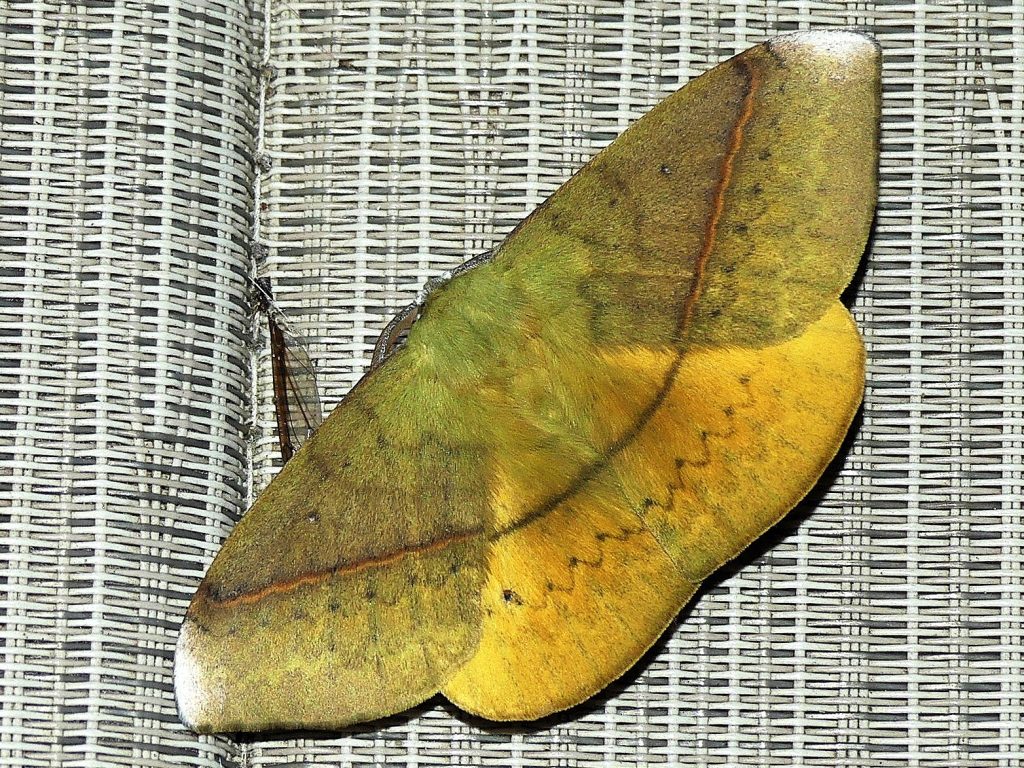
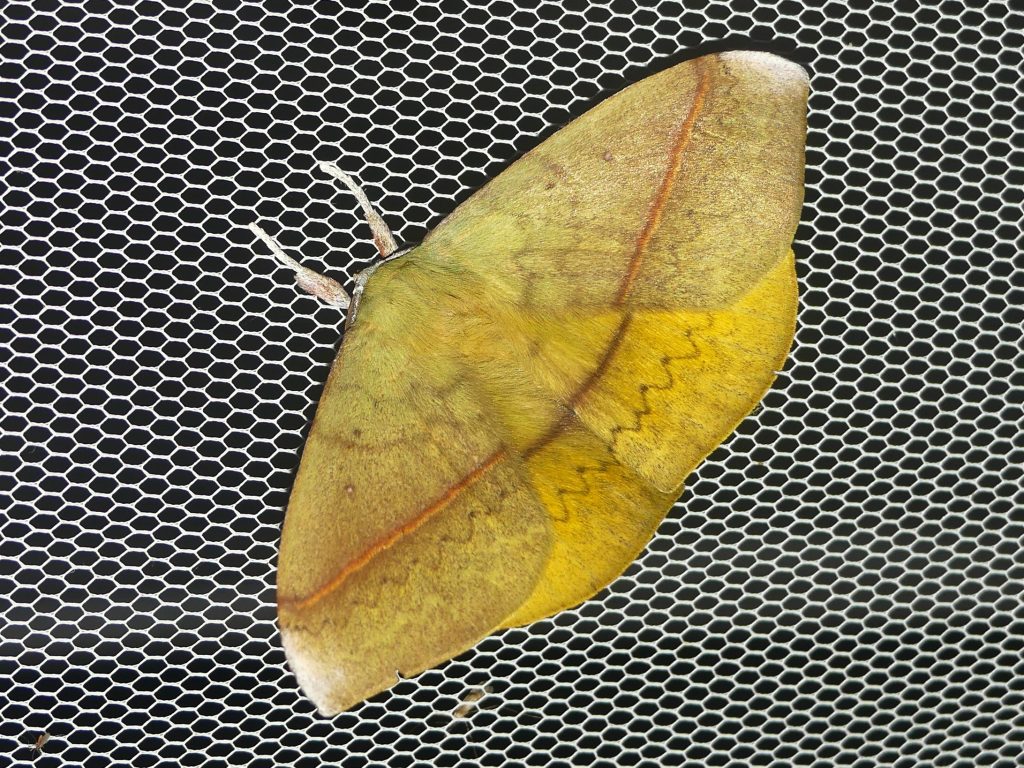
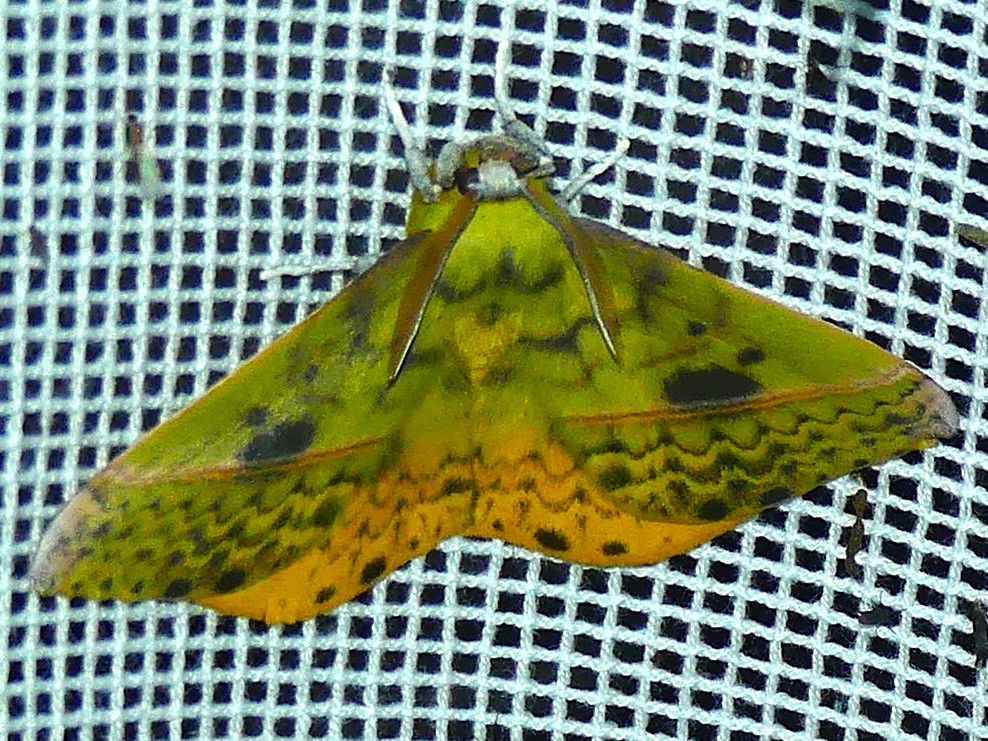
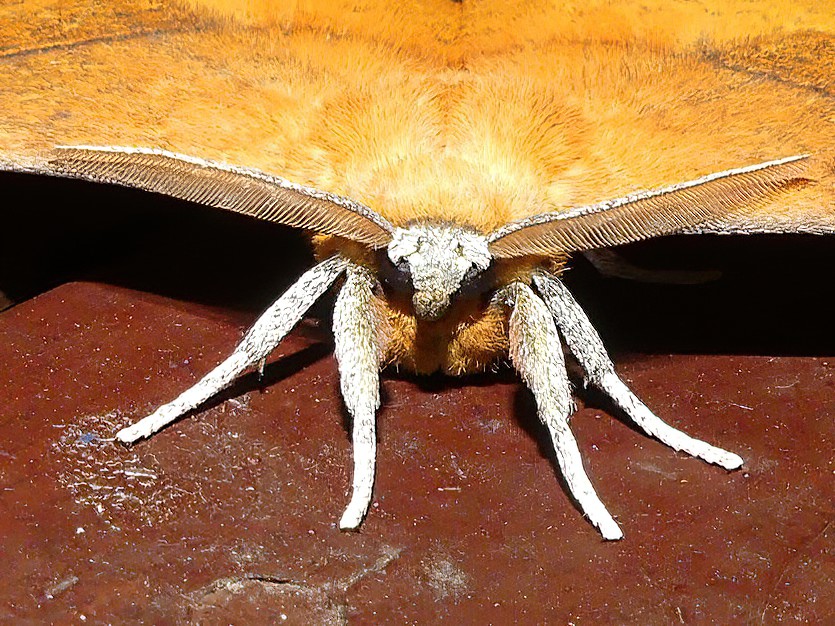
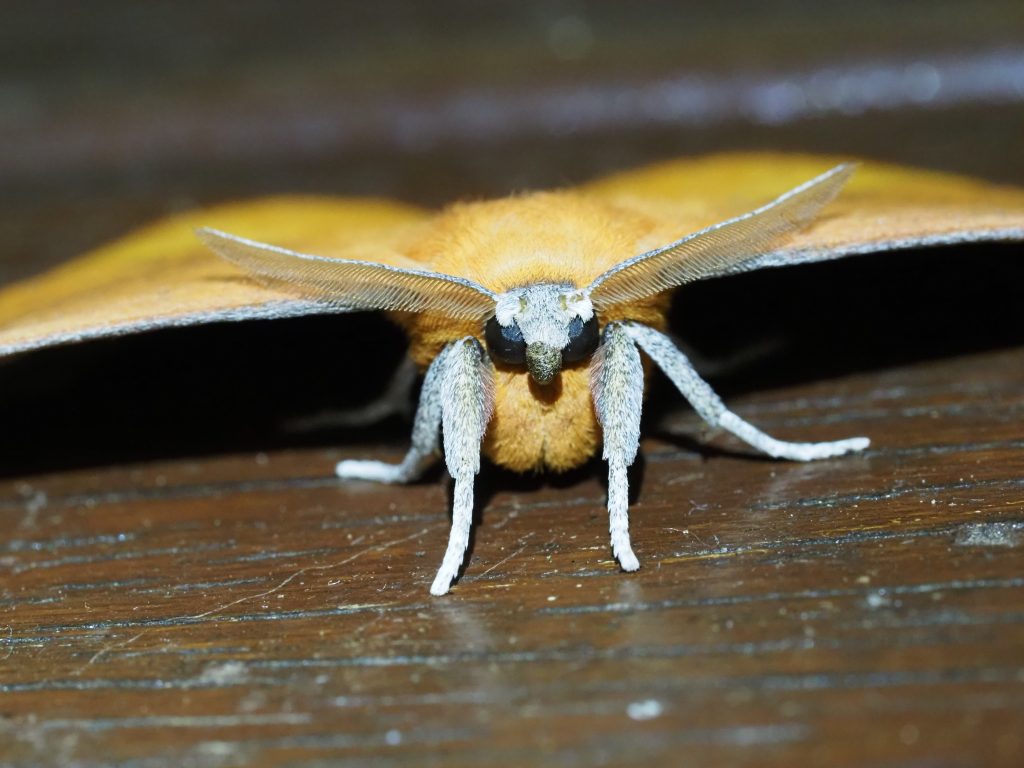
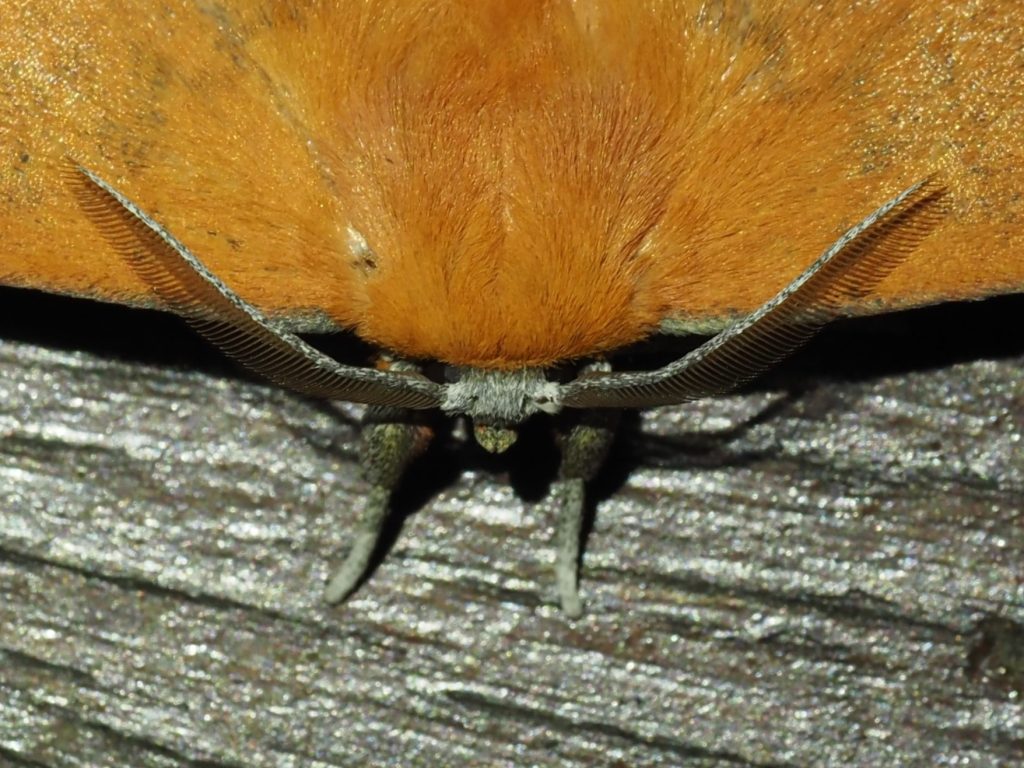
IDENTIFICATION AIDS: Adult colour forms found here for male A. excellens are: Orange Brown, Grey Green & Yellow, Orange and variations of mixes of these colours. We have also sighted several males here with black overlay markings on their colourful wings.
In addition to their grey heads the male A. excellens seen here always have a narrow whitish area immediately above the forewing apex spreading along the costal margin between it and the postmedial band, it is clearly visible on the forewing.
Please note however we have one photo below where the head and visible legs do not display as grey, appearing darker, possibly because of the angle of the camera flash.
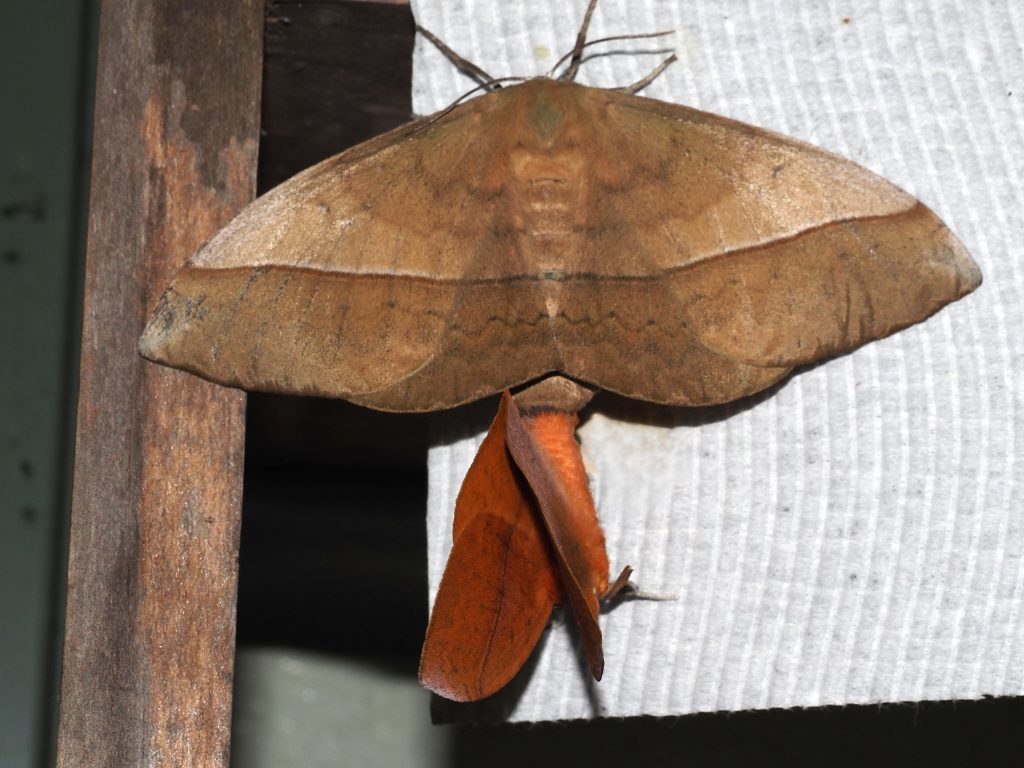
Also please note that the female pictured below, whilst appearing darkish grey in one photo, and brown beside it, and in the mating photos, is the same moth photographed with 2 different cameras.
Male A. excellens come to light freely, we are yet to have a female A. excellens attracted to our moth light.
Dr Andreas Zwick advises that A. excellens (males) are an extremely variable species. A. excellens is not closely related to the A. astata/acuta complex. As A. excellens common name suggests, the grey head is distinctive of males in this species making IDs less complicated.
A. excellens occurs in Queensland, New South Wales and Victoria. We have seen males in Tallowwood Ridge from late November to early February.
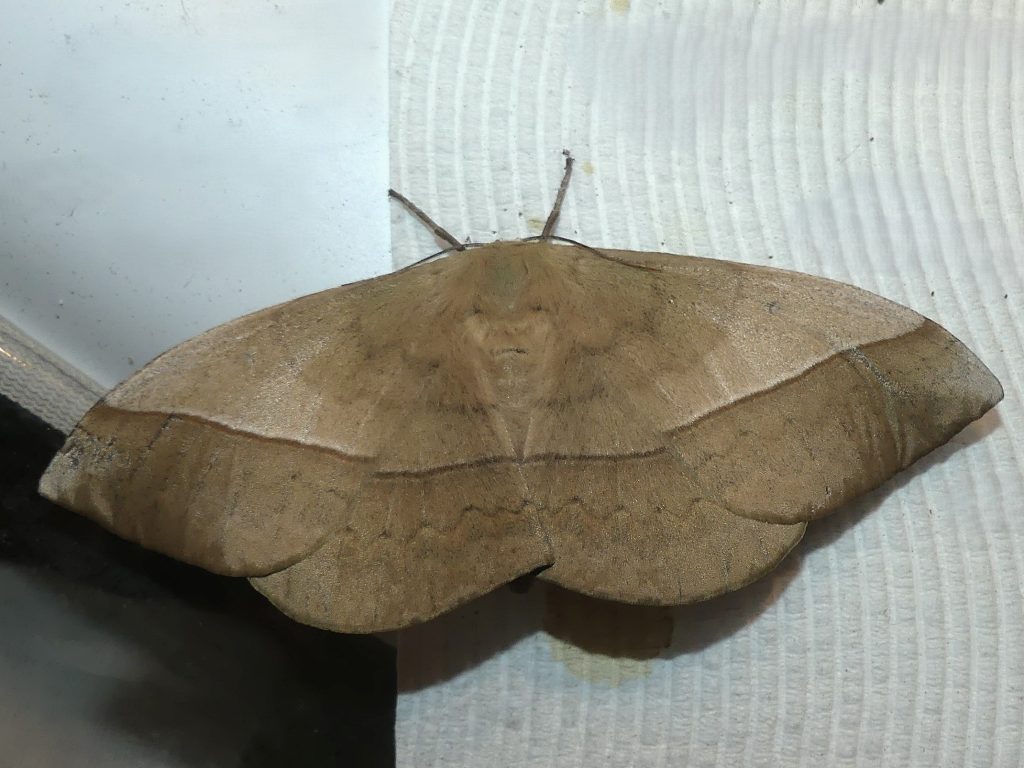
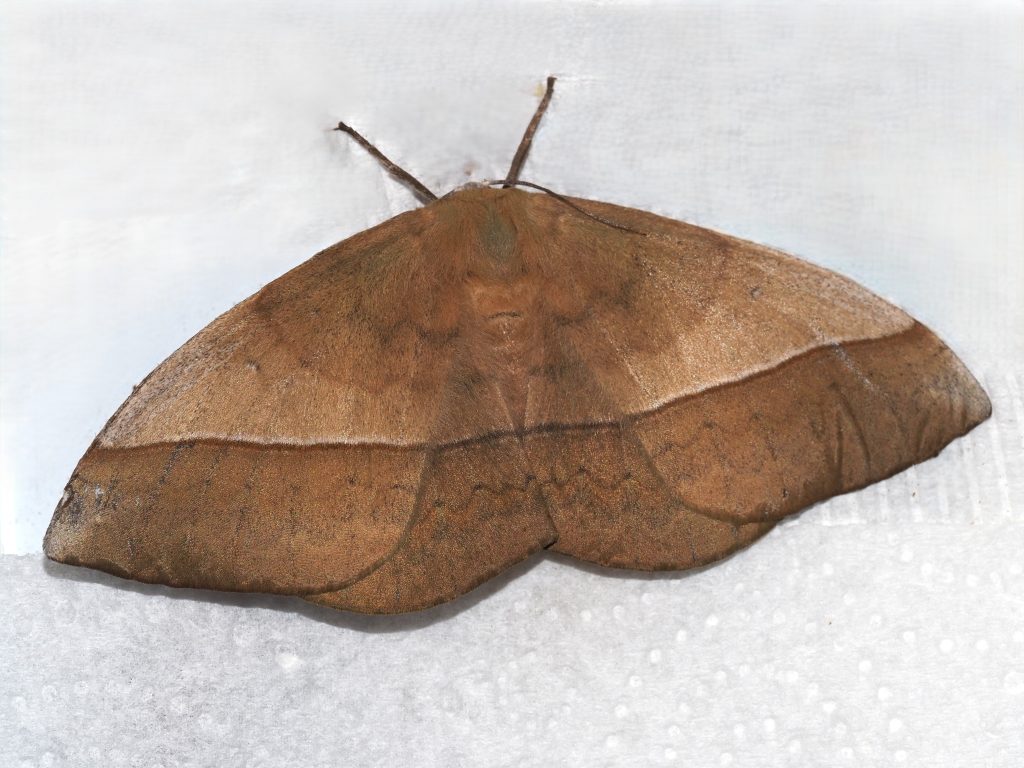
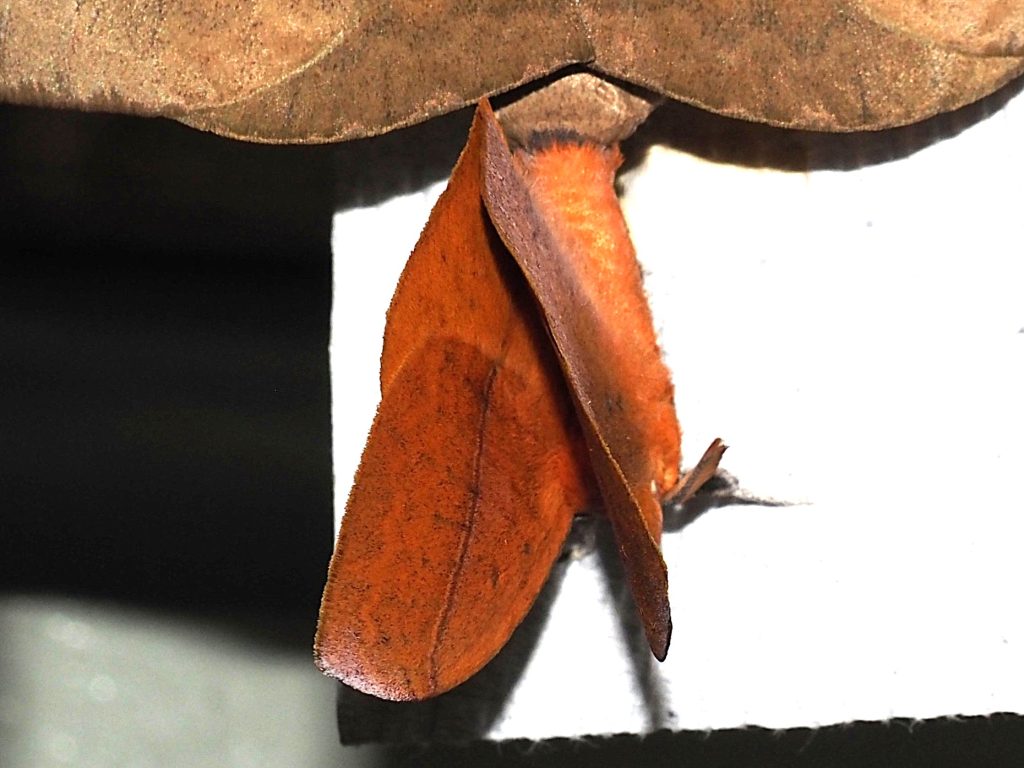
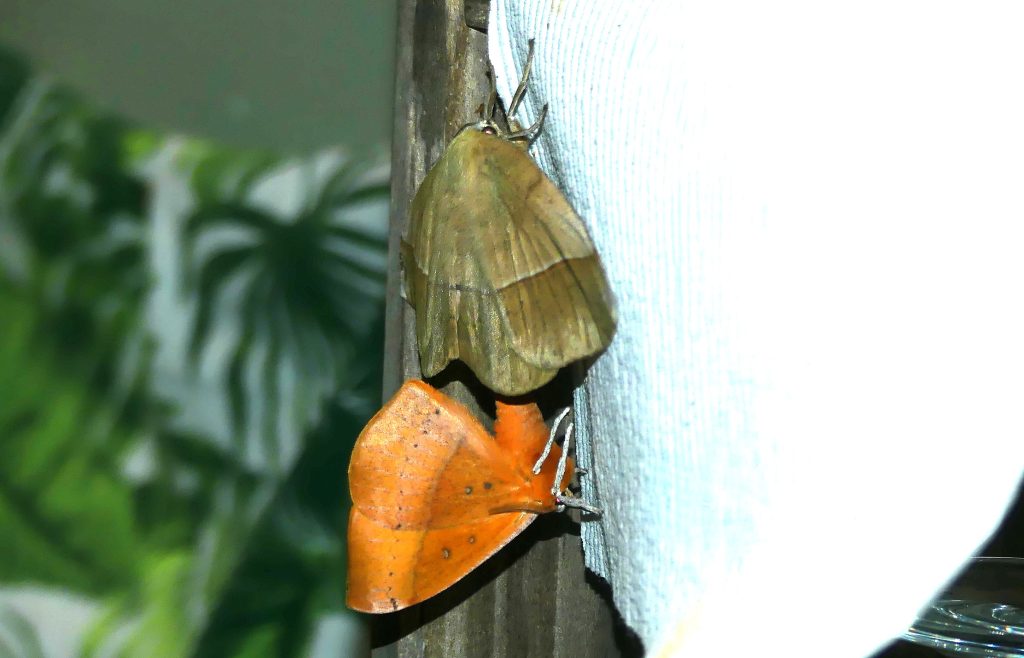
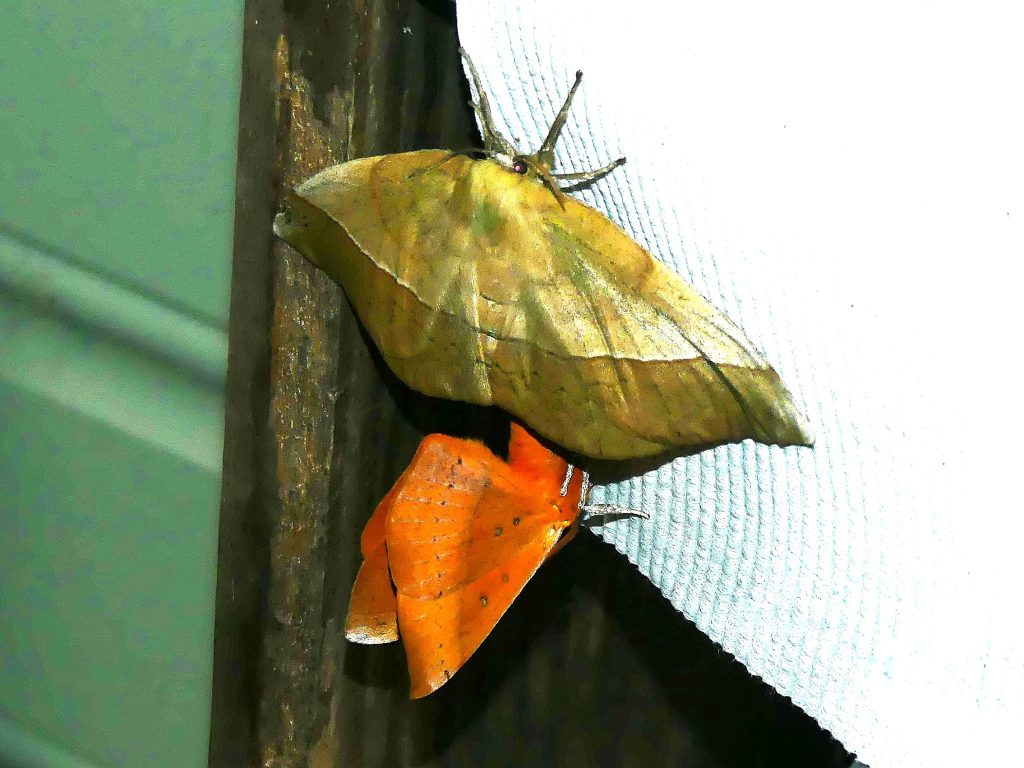
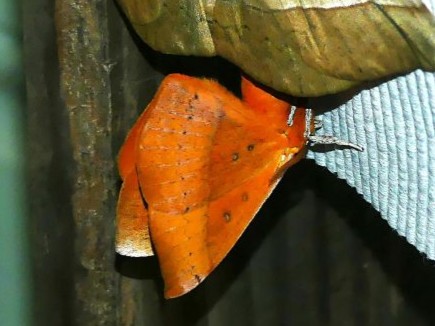
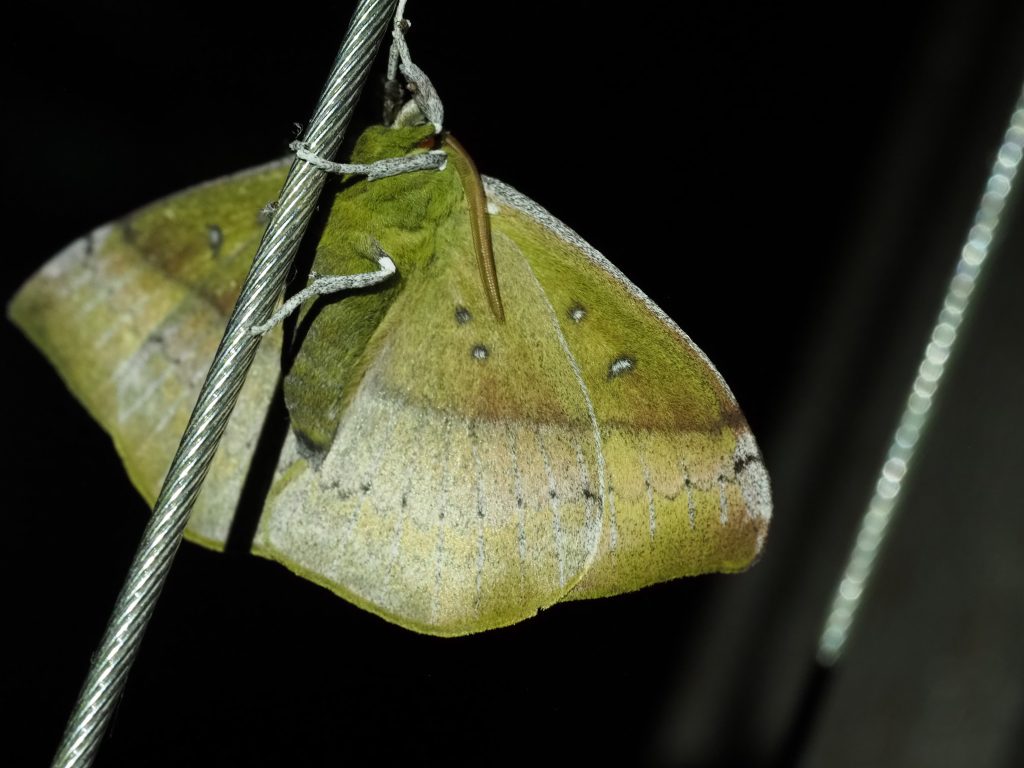
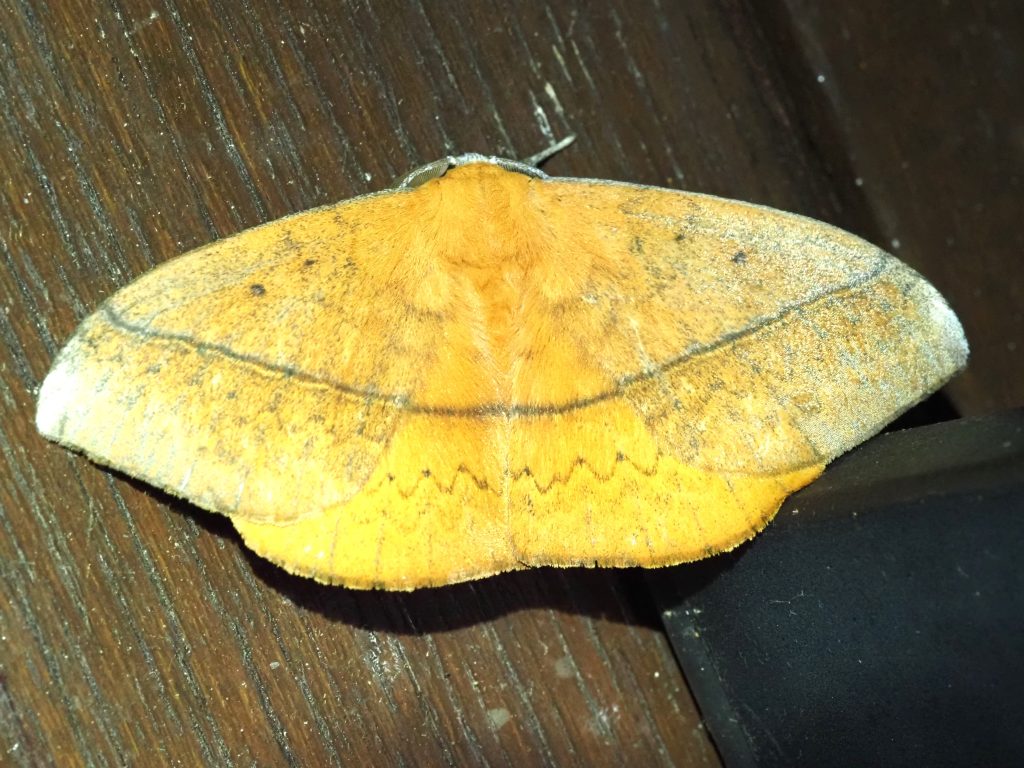
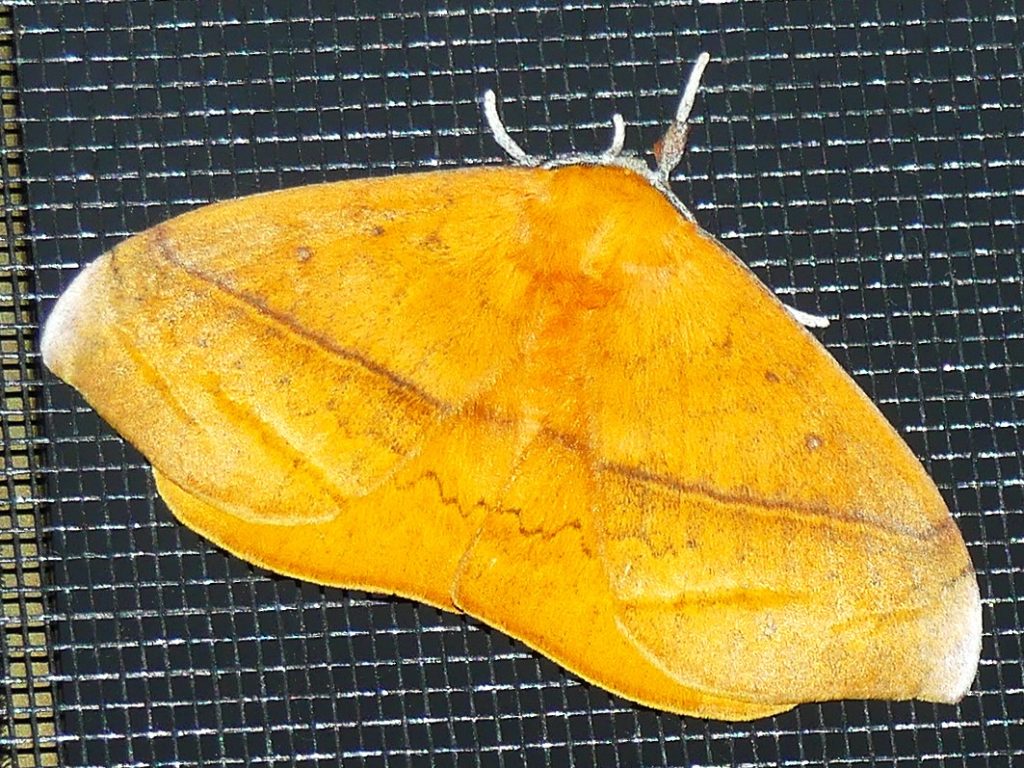
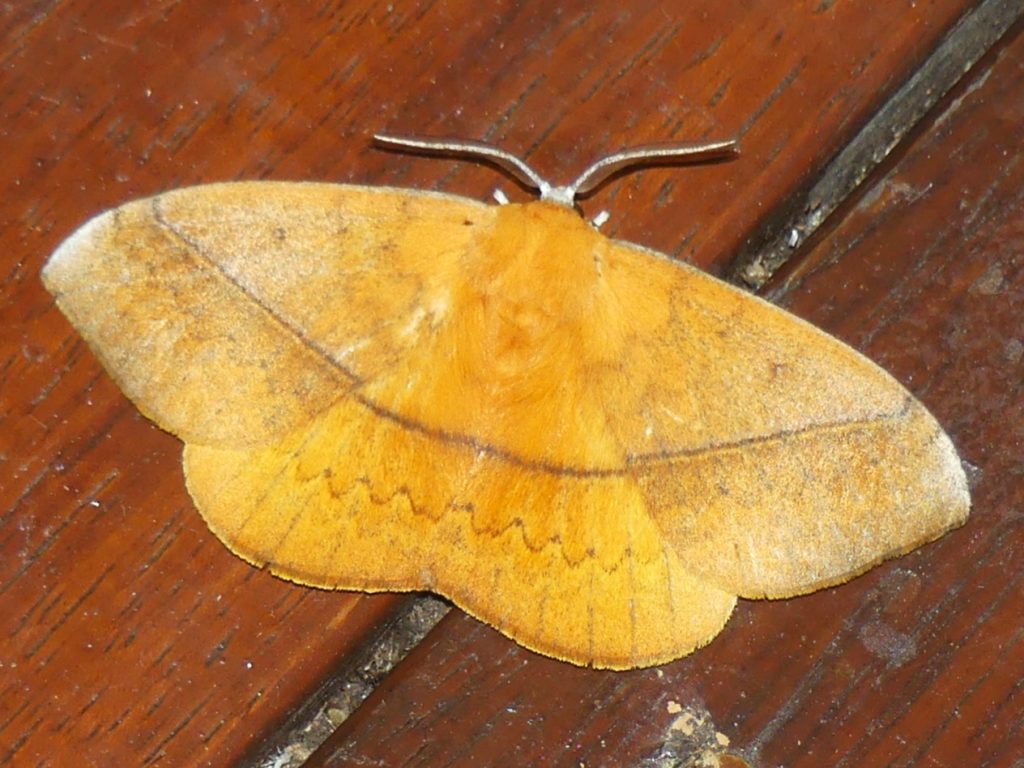



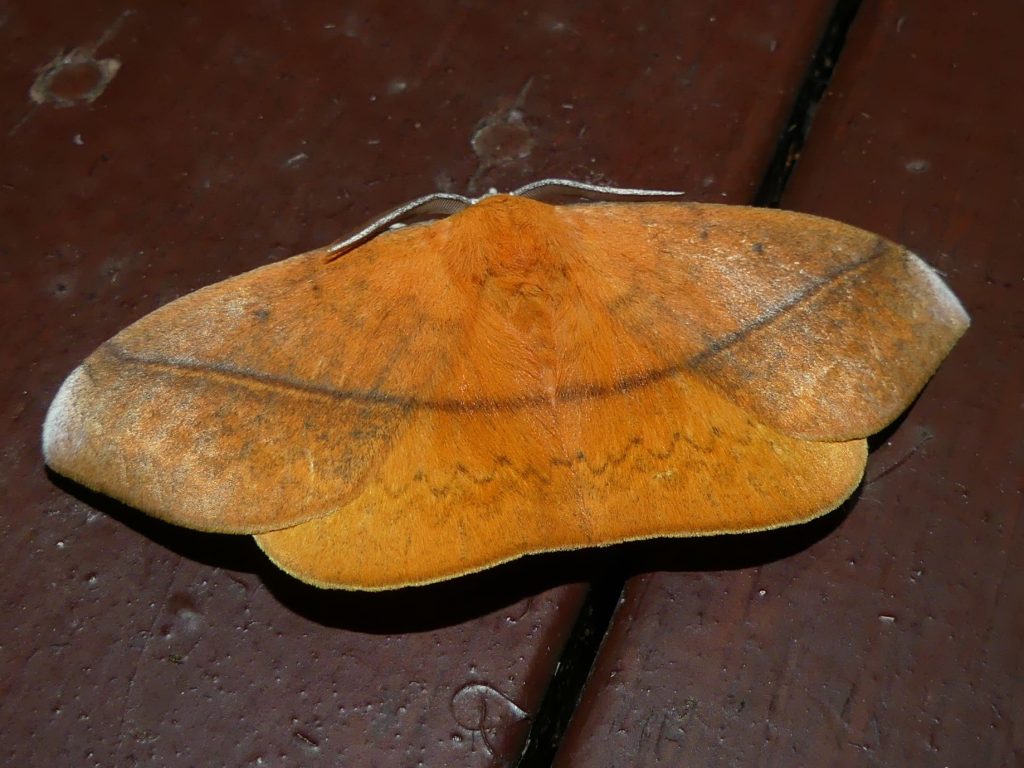
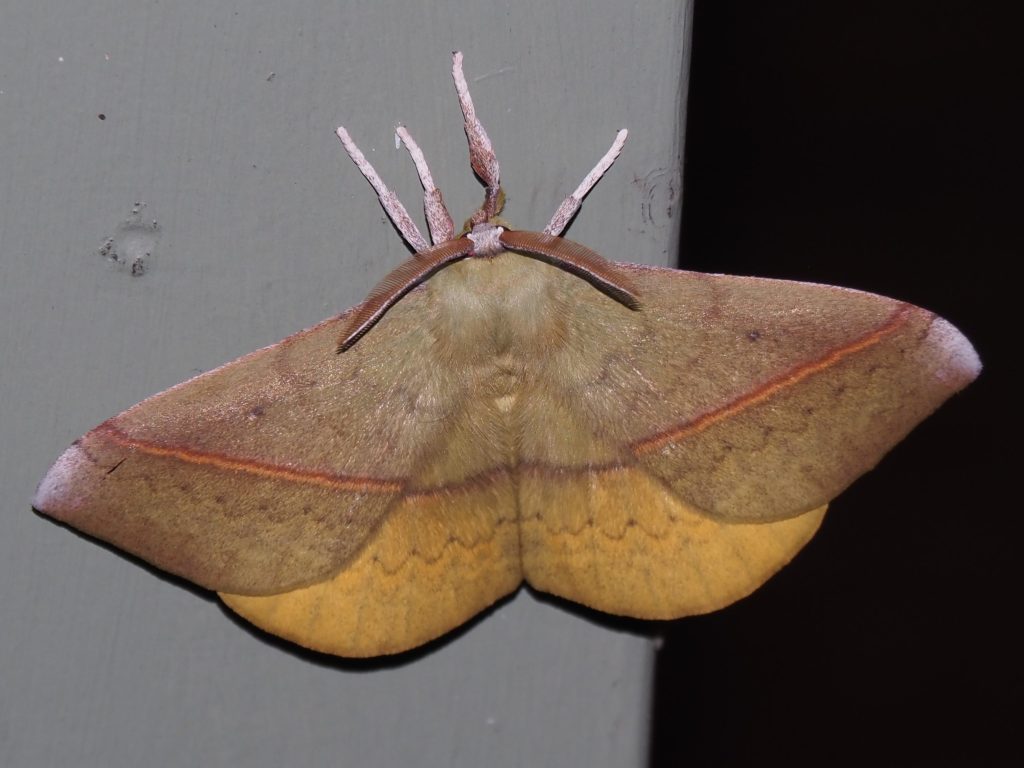

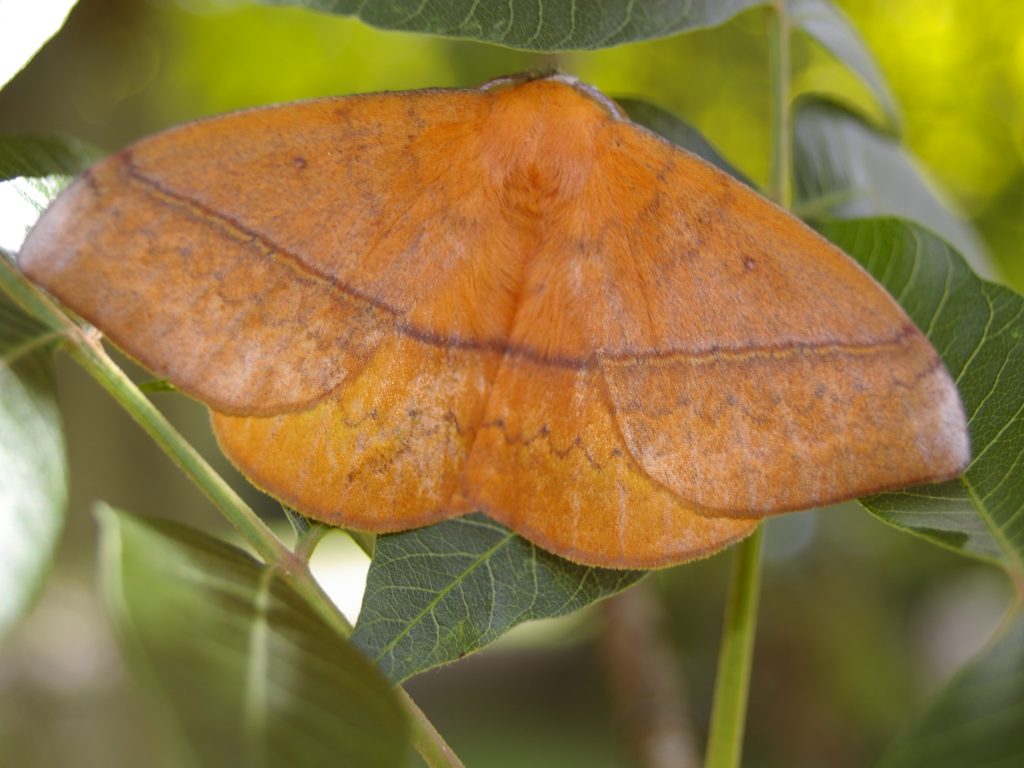
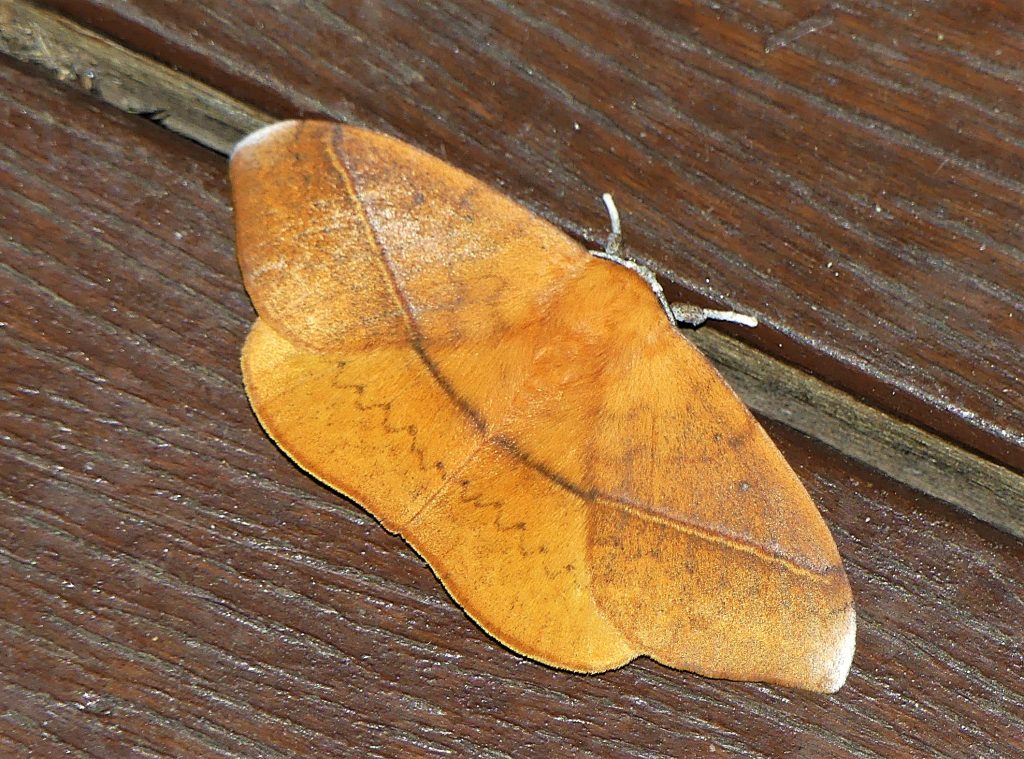
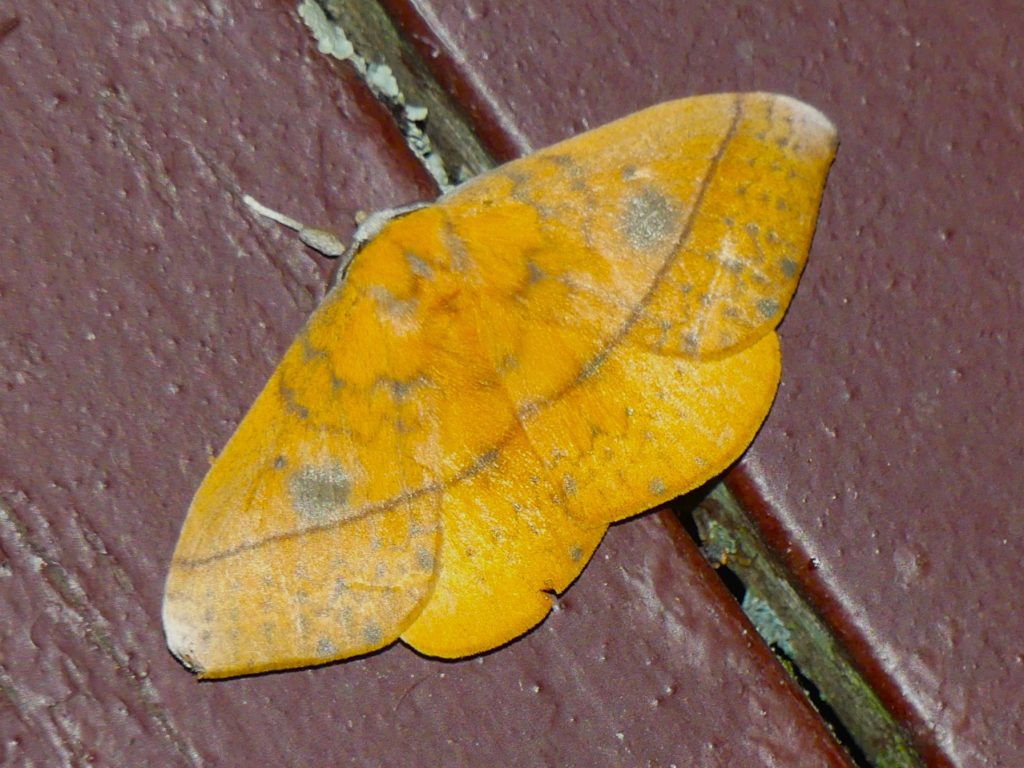
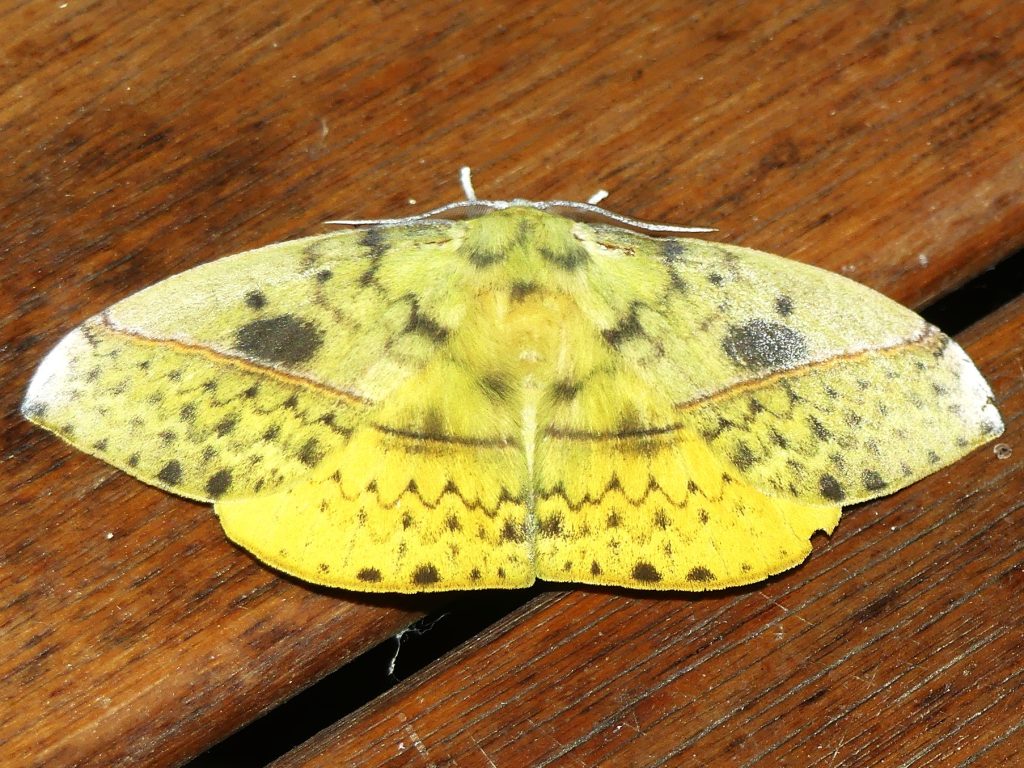
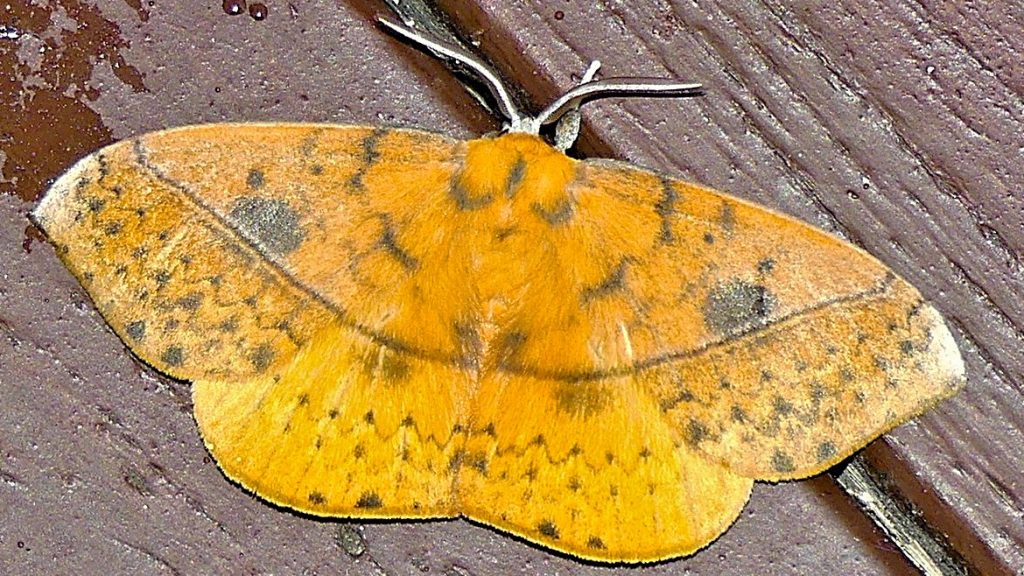
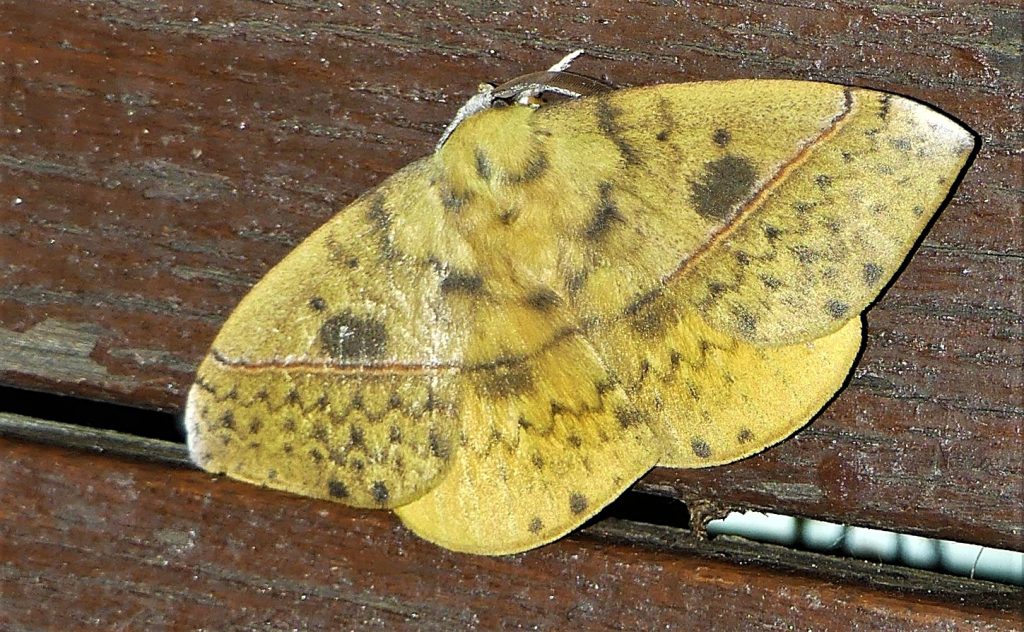
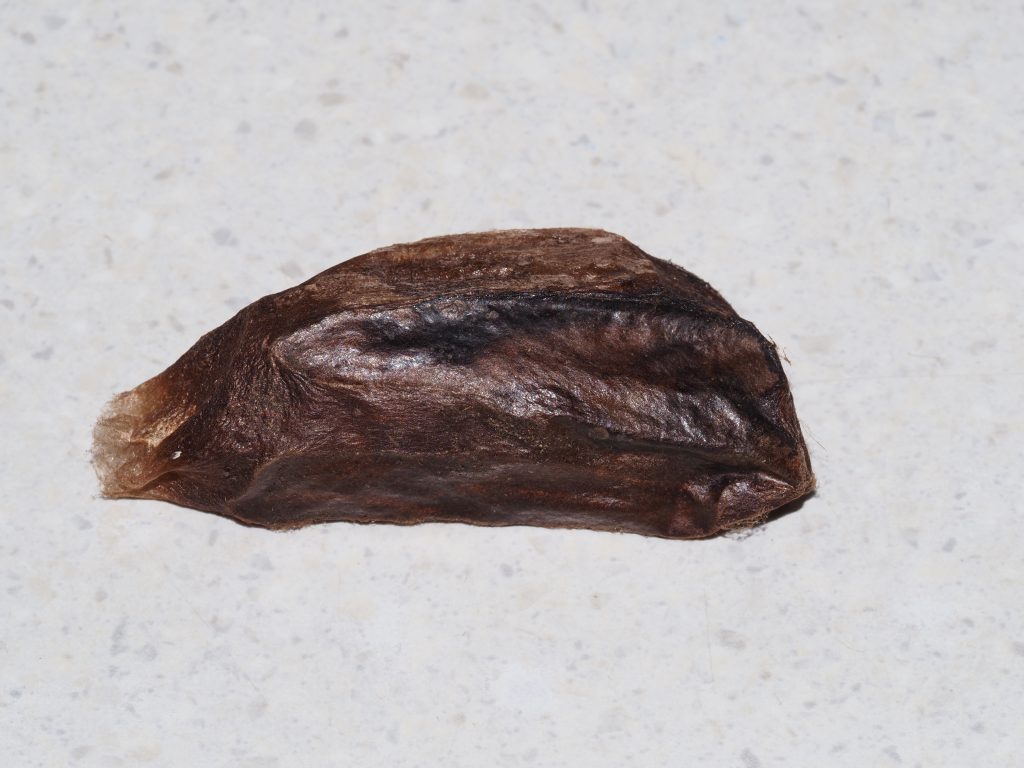
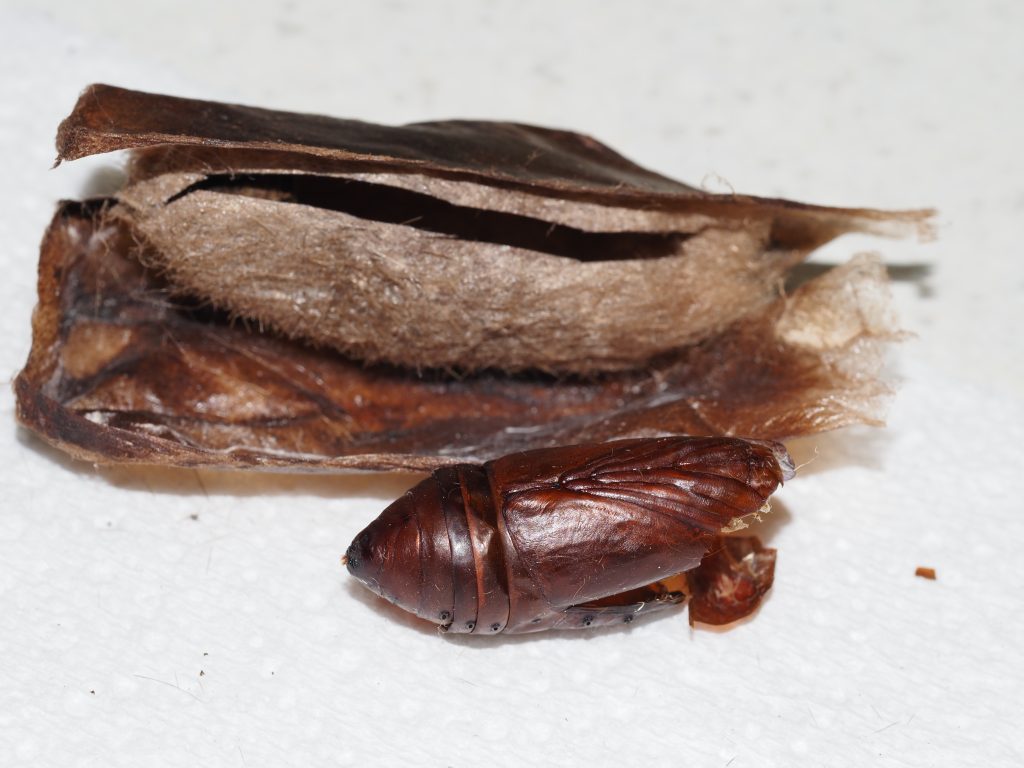
In mid October 2025, we found a cocoon here in a pile of plastic tree guards (sleeves) which were lying on the ground. The sleeves were in a kikuyu paddock which now increasingly has native grasses and ground dwelling native herbs germinating as well, following the removal of cattle in 2016. Further, we planted approximately 50 young Acacia melanoxylon trees in this paddock in 2018 as the first step towards converting the paddock back to rainforest.
On 5 December 2025 a female A. excellens hatched from the cocoon (the first we had seen). She mated over night enabling us to eventually ID both male and female A. excellens moths.
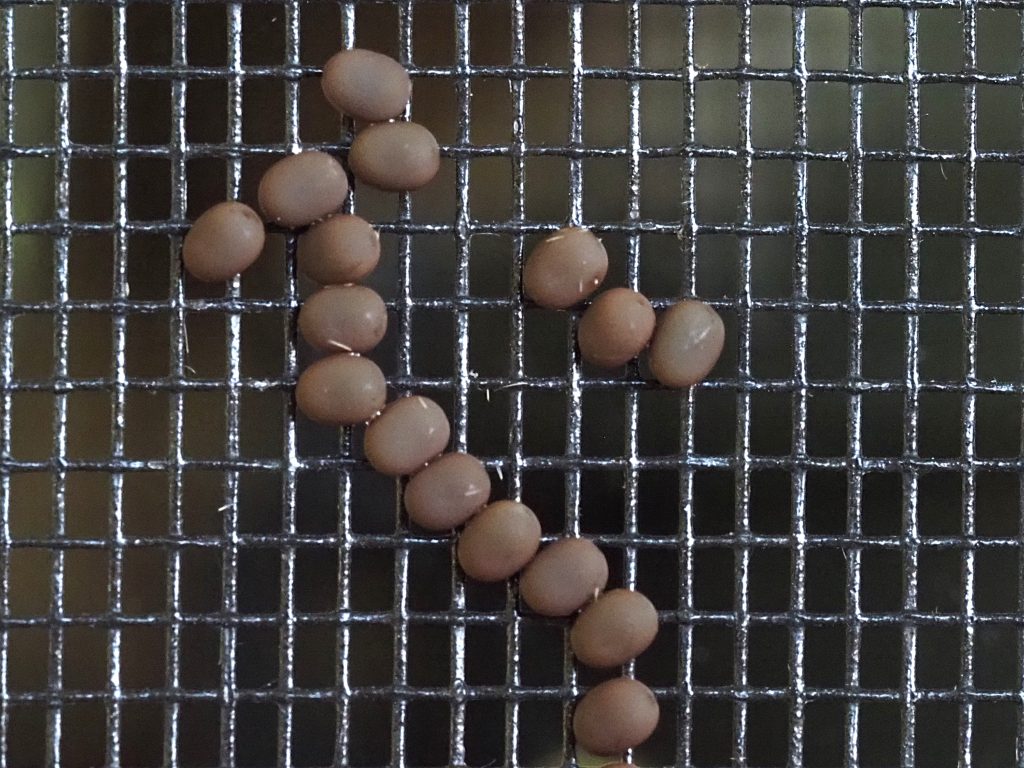
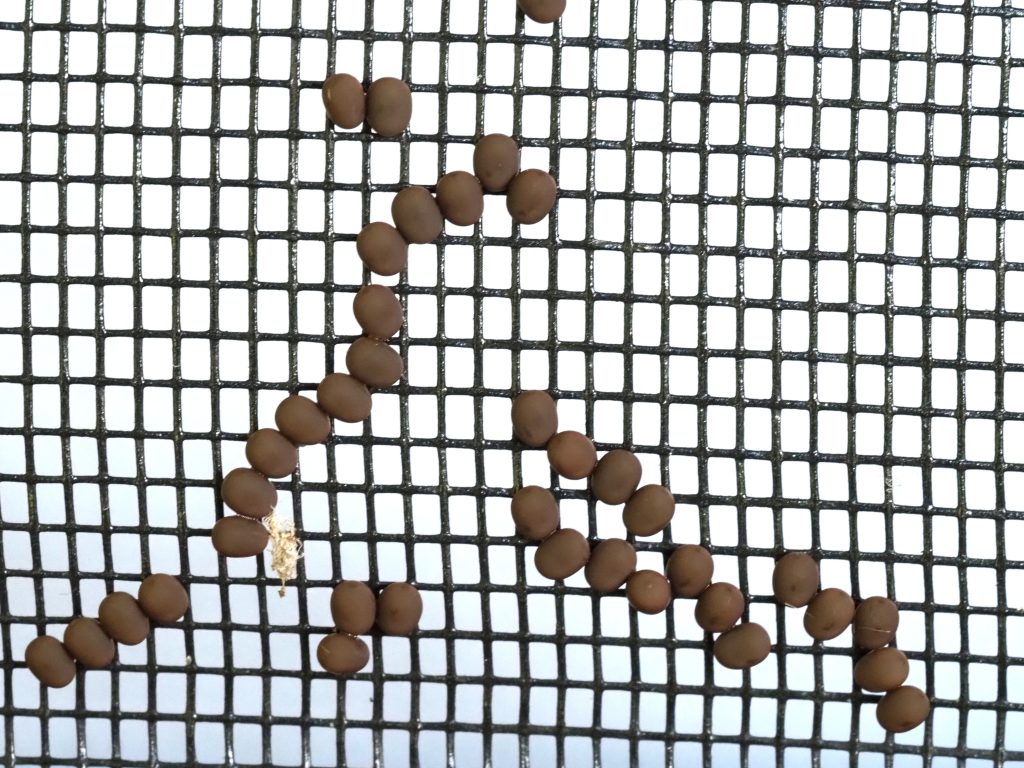
Our female laid eggs on a fly-screen. Unfortunately we had to go away a few days later and not knowing the moth ID (at that time), we put the large fly-screen out in the garden hoping hatching larvae would locate a foodplant.
Larval Foodplant
MIMOSACEAE: Acacia sp.
Reference: https://lepidoptera.butterflyhouse.com.au/anth/excellens.html